The Silicon Mirage: Why Tech Capital is Flooding Vietnam—And Who Gets Left Holding the Bag

Vietnam is the new darling for tech investment, but the real story behind this capital surge reveals hidden vulnerabilities in Southeast Asia's digital future.
Key Takeaways
- •The primary driver for tech capital in Vietnam is global de-risking away from China, not purely organic market potential.
- •Rapid capital influx is causing severe talent inflation, pricing out many local, early-stage startups.
- •Infrastructure strain and dependence on foreign money create a significant risk of market correction post-2026.
- •Long-term success hinges on deep tech adoption rather than consumer-focused ventures reliant on immediate VC hype.
The Silicon Mirage: Why Tech Capital is Flooding Vietnam—And Who Gets Left Holding the Bag
The narrative is deafening: Vietnam technology capital is booming. Every major investment report crowns Hanoi and Ho Chi Minh City as the next frontier, the undeniable successor to Singapore’s high-cost dominance. But this relentless influx of foreign direct investment (FDI) into the Southeast Asia technology sector isn't just a sign of economic health; it’s a calculated geopolitical realignment, and the real winners aren't necessarily the local startups.
The Unspoken Truth: De-risking China
Why Vietnam, specifically? The answer isn't just cheap labor or a favorable tax code. The primary driver for this massive capital migration is **de-risking**. As geopolitical tensions escalate globally, multinational corporations and venture capitalists are aggressively diversifying their supply chains and operational hubs away from mainland China. Vietnam offers political stability, proximity to existing manufacturing ecosystems, and a government eager to fast-track digital infrastructure.
This creates an immediate, often overlooked, problem: Capital Concentration Risk. When foreign money floods a relatively small market, it distorts local valuations, inflates talent costs, and creates an 'us vs. them' dynamic among local entrepreneurs. The money isn't flowing to foster sustainable, independent Vietnamese tech giants; it's flowing to build regional fulfillment centers for global players.
Analysis: The Talent War and Infrastructure Strain
The influx demands highly skilled engineers, and Vietnam’s education system, while improving, struggles to meet this sudden, intense demand. This leads to a brutal talent war. We are seeing salary inflation that prices out truly innovative, early-stage domestic ventures that can’t compete with the massive payrolls of international firms setting up regional HQs. This isn't organic growth; it's **induced growth**, heavily dependent on sustained external interest.
Furthermore, while the government is investing heavily, the physical and digital infrastructure—power grids, high-speed fiber optics outside major hubs—is straining under the pressure. Are we building a digital economy on a foundation that is already overloaded? History teaches us that infrastructure always lags behind speculative capital. Read more about the broader trends in global tech investment here: Reuters Technology News.
What Happens Next? The Prediction
The current trajectory is unsustainable past 2026. My prediction is a sharp bifurcation. First, the 'easy money'—the capital targeting quick wins in e-commerce logistics and basic software services—will pull back, leading to a significant correction in startup valuations by late 2025. Second, the long-term winners will be those companies focused on deep tech (AI integration, advanced manufacturing software) that governments and multinationals need for strategic resilience, not just consumer apps. The true **Vietnam technology capital** success story will be written by those who can leverage global capital while maintaining genuine domestic autonomy, a difficult balancing act acknowledged by analysts at institutions like the World Bank: World Bank Insights.
The Contrarian View
The media praises Vietnam for attracting investment. The contrarian view is that Vietnam is currently the *recipient* of capital fleeing risk elsewhere, not the *creator* of unique opportunity. If global risk factors stabilize, or if another nation offers a marginally better deal, this tide of money could recede just as quickly, leaving behind a market hyper-dependent on foreign validation and inflated salary expectations. The real test of Vietnam's tech prowess will be seen when the venture capital taps slow down, not when they are overflowing.
Frequently Asked Questions
What is the main reason foreign tech capital is moving to Vietnam?
The primary reason is strategic diversification and de-risking by global companies looking to reduce over-reliance on China for manufacturing and technology hubs.
Is the boom in Vietnam technology capital sustainable?
Experts are divided. While the government is supportive, the current pace is heavily dependent on continued geopolitical tensions. A pullback in global risk aversion could slow the investment tide significantly.
How does this affect local Vietnamese startups?
Locally owned startups face intense competition for skilled engineers due to massive salary inflation driven by larger, foreign-backed firms, making it harder for them to scale independently.
What specific sectors in Vietnam are attracting the most investment?
The major recipients are software development outsourcing, semiconductor assembly and testing, and e-commerce logistics infrastructure.
Related News

The Secret Cost of ESA's Space Data Deluge: Who Really Owns the Universe's Secrets?
Five years of ultra-fast data download speeds from space sound like a win, but the real story behind ESA's bandwidth boom is about control, not just science.

The Hidden War: Why Gutting Science Funding Is The Ultimate Political Weapon (And Who's Really Winning)
The failed attempts to slash US science funding reveal a deeper ideological battle over American innovation and global dominance.
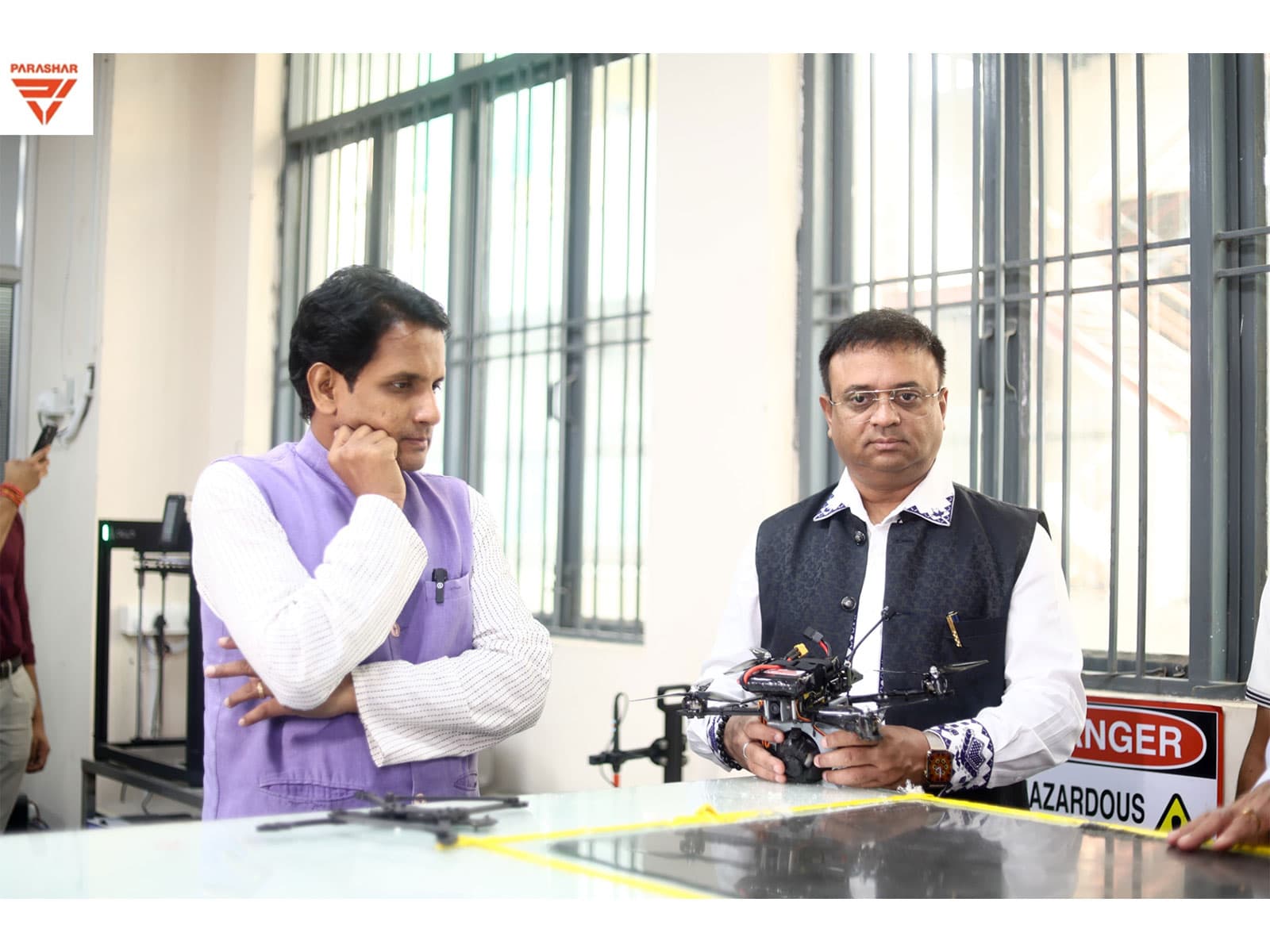
The Quiet Coup: Why the Visit to Parashar Defence Isn't About MSMEs, It's About Strategic Debt
Tuhin A. Sinha's inspection of Parashar Future Defence Technologies signals a critical shift in India's defense industrial base, moving beyond mere 'Make in India' rhetoric.
