The Hidden War: Why Gutting Science Funding Is The Ultimate Political Weapon (And Who's Really Winning)
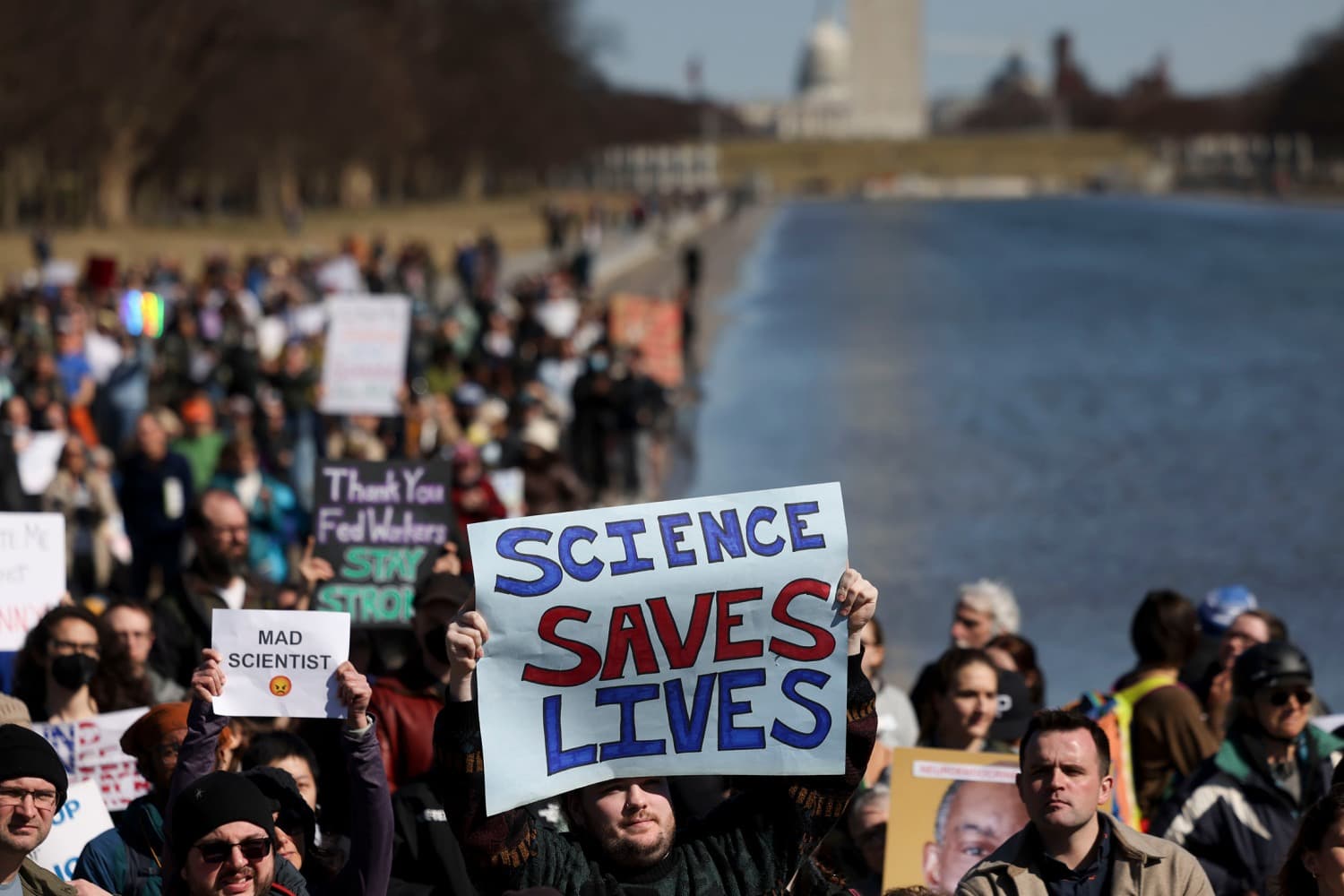
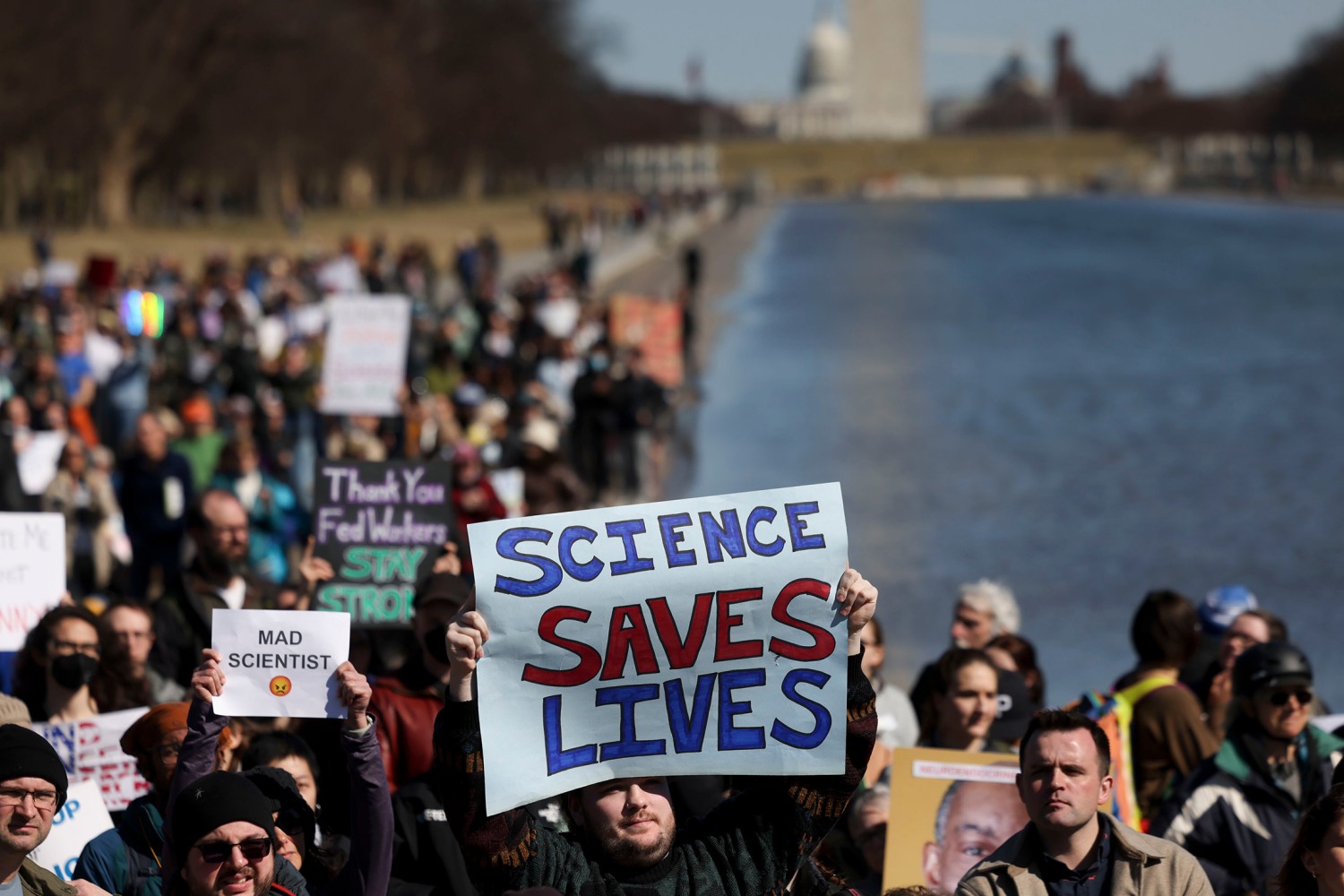
The failed attempts to slash US science funding reveal a deeper ideological battle over American innovation and global dominance.
Key Takeaways
- •The attempts to cut science funding signal an ideological shift toward prioritizing short-term, proprietary research over foundational discovery.
- •The real loser is long-term US competitiveness, as geopolitical rivals accelerate investment while US basic research capacity is eroded.
- •Expect 'Scientific Balkanization,' where publicly funded science becomes marginalized and narrowly focused.
- •The immediate victory against budget cuts is only temporary; the chilling effect on researchers is already underway.
Are we witnessing the slow strangulation of American ingenuity? The recent, high-profile clashes where Congress and the courts rebuffed attempts to drastically cut science research funding are being framed as a victory for academics and researchers. But this narrative misses the chilling subtext: the sustained, coordinated assault on federal investment in basic science is not about trimming the fat; it’s about shifting the locus of power and redefining what constitutes 'valuable' knowledge.
The Superficial Battle: Budget Cuts as Political Theater
On the surface, the story is simple: one administration sought deep cuts across agencies like the National Institutes of Health (NIH) and the National Science Foundation (NSF), while a divided government—or judicial review—acted as the necessary brake. This is the standard Washington dance. However, focusing solely on the dollar amounts obscures the true objective: **science funding** is a proxy war for cultural control. When you defund basic research, you don't just lose funding for theoretical physics; you erode the institutional capacity for objective truth-seeking that operates outside direct political control.
The unspoken truth is that even failed attempts send a signal. They create a chilling effect. Researchers, especially those reliant on federal grants, learn quickly which areas of inquiry are politically toxic. This self-censorship is far more damaging than any single budget line item. For those pushing these cuts, the goal isn't immediate obliteration; it’s institutional demoralization and the redirection of scientific focus toward short-term, politically expedient outcomes, sidelining long-term **scientific innovation**.
The Deep Dive: Who Truly Wins When Science Stalls?
The primary beneficiaries of weakened federal **science research funding** are not taxpayers; they are private industry titans and geopolitical rivals. When the foundational, high-risk, high-reward research—the kind universities excel at—is starved, the burden shifts entirely to the private sector. This means only research with a clear, near-term profit motive gets funded. We trade unpredictable breakthroughs (like the internet or mRNA technology, both born from government-funded basic science) for incremental corporate optimization.
Furthermore, consider the global landscape. While the US wrestles with internal debates over the legitimacy of climate science or public health research, nations like China are pouring state resources into strategic areas like quantum computing and advanced materials. The constant political instability around US basic research creates a vacuum. Foreign powers are not just catching up; they are actively capitalizing on our self-inflicted wounds in long-term **scientific innovation**.

Where Do We Go From Here? A Prediction of 'Scientific Balkanization'
The courts and Congress provided a temporary reprieve, but the ideological conflict remains unresolved. My prediction is that we will see a sharp increase in 'Scientific Balkanization.' Instead of a unified national research agenda, we will see two parallel, increasingly hostile scientific ecosystems:
- The Public/Academic Sector: Underfunded, politically scrutinized, focused on maintaining baseline operations and politically safe research.
- The Private/State Sector: Heavily funded but narrowly focused on proprietary interests or state-specific mandates (e.g., biotech hubs in specific states or defense contracting).
This bifurcation means that crucial, non-marketable research—like public health surveillance or fundamental environmental monitoring—will suffer the most profound, long-term damage. The next major crisis, whether pandemic or climate-related, will expose the fragility created by this sustained underinvestment in fundamental **scientific innovation**.
The battle wasn't won in Washington; it was merely postponed. The real fight is for the soul of American discovery, and right now, the odds favor short-term political gains over long-term scientific supremacy. For authoritative context on federal research budgets, review the history documented by the Congressional Research Service [Link to CRS report if available, otherwise use a high-authority source like a major university research policy site].
Gallery





Frequently Asked Questions
What is the primary role of the National Science Foundation (NSF)?
The NSF primarily funds fundamental research and education in non-medical fields of science and engineering, supporting approximately 24% of all federally supported basic research at US colleges and universities.
Why is basic science research often targeted in budget cuts?
Basic research, which seeks new knowledge without an immediate commercial application, is often the first to be cut because its benefits are long-term and less visible to voters than immediate spending programs.
How do foreign competitors benefit from US science funding instability?
When US federal investment in basic research wavers, foreign state actors can aggressively invest in strategic areas like AI and quantum computing, potentially leapfrogging American leadership in critical future technologies.
What does 'Scientific Balkanization' mean in this context?
It refers to the fragmentation of the scientific enterprise into separate, often conflicting, spheres: highly regulated public research and narrowly defined private or state-sponsored research, reducing cross-disciplinary breakthroughs.
Related News

The Secret Cost of ESA's Space Data Deluge: Who Really Owns the Universe's Secrets?
Five years of ultra-fast data download speeds from space sound like a win, but the real story behind ESA's bandwidth boom is about control, not just science.

The Quiet Coup: Why the Visit to Parashar Defence Isn't About MSMEs, It's About Strategic Debt
Tuhin A. Sinha's inspection of Parashar Future Defence Technologies signals a critical shift in India's defense industrial base, moving beyond mere 'Make in India' rhetoric.

Bolivia Just Sold Its Lithium Soul: The Hidden Scramble for Global Battery Dominance
Bolivia's new lithium policy pivot isn't about national interest—it's about which foreign power wins the next clean energy war.
