The Quiet Coup: Why the Visit to Parashar Defence Isn't About MSMEs, It's About Strategic Debt
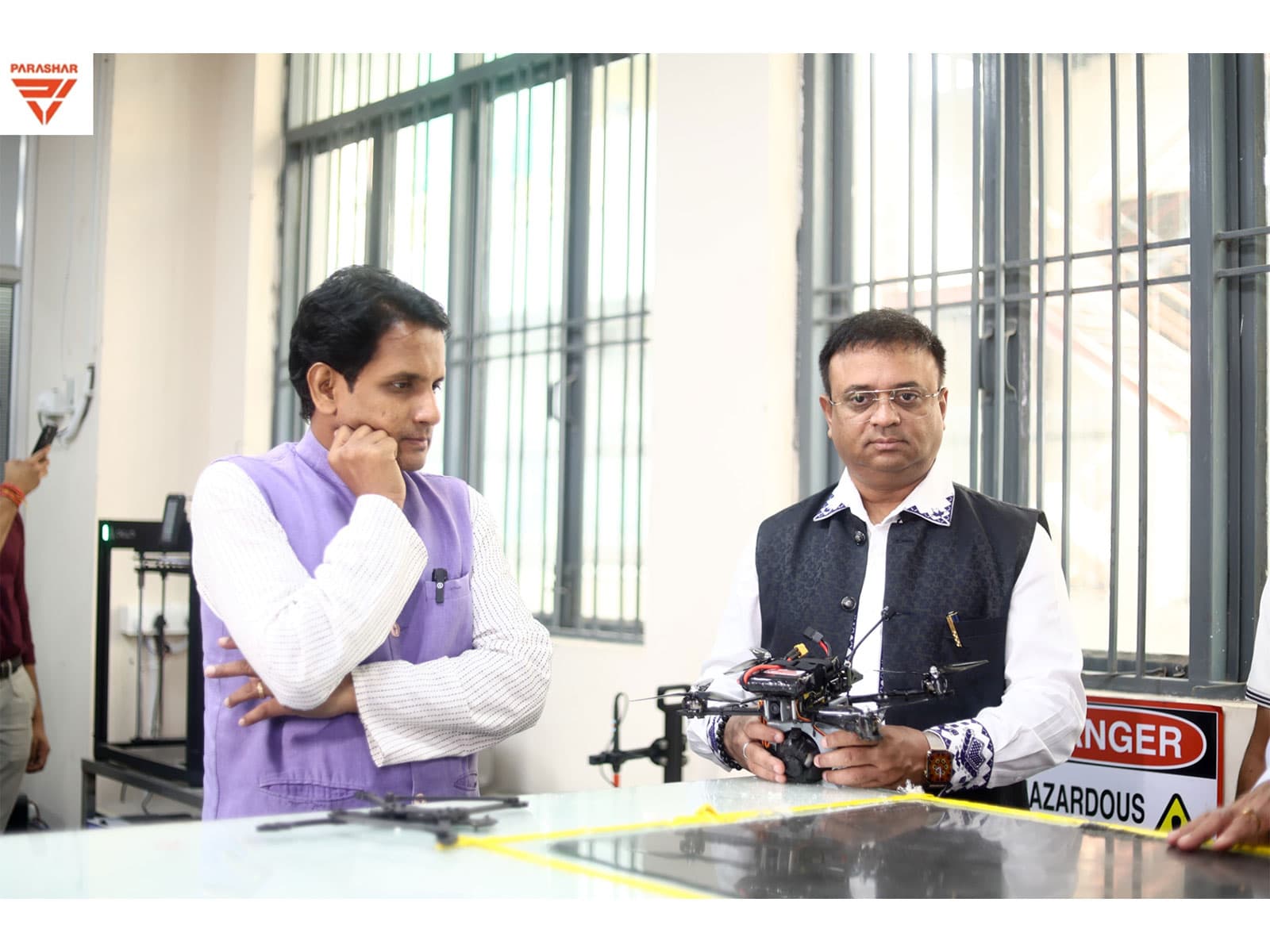
Tuhin A. Sinha's inspection of Parashar Future Defence Technologies signals a critical shift in India's defense industrial base, moving beyond mere 'Make in India' rhetoric.
Key Takeaways
- •The visit signals a strategic validation of specific MSMEs, setting them up as preferred suppliers, not just general empowerment.
- •The real agenda is de-risking the defense supply chain by diversifying reliance away from legacy contractors.
- •Expect mandatory procurement quotas for vetted MSMEs within the next 18 months.
- •The move accelerates the private sector's role but centralizes oversight on state-approved entities.
The Unspoken Truth of the Defense Visit
When a high-profile figure like Tuhin A. Sinha tours a facility like Parashar Future Defence Technologies, the official narrative screams 'MSME empowerment' and 'indigenous manufacturing.' This is the sanitized version. The real story, the one being whispered in defense procurement circles, is far more Machiavellian. This visit isn't a pat on the back for small businesses; it’s a **strategic validation** of a specific, government-backed supply chain model designed to de-risk major defense contractors by funneling essential components through vetted, smaller entities. The key phrase here is indigenous manufacturing, but the true litmus test is 'dependency mitigation.'
We are witnessing the deliberate creation of an ecosystem where strategic capacity—the ability to produce critical, niche defense components—is outsourced to the private sector, specifically to companies that align perfectly with the current national priorities. The underlying question no one is asking is: What happens when these MSMEs become too successful, or, conversely, when they fail to deliver on impossible timelines? The answer lies in the massive implicit government guarantee this validation provides.
Analysis: Beyond 'Make in India' Propaganda
The focus on **technology transfer** and localized production is essential for national security, especially given geopolitical instability. However, the celebration of this single visit obscures the systemic risk. For years, the defense sector relied on a handful of large, established players. Now, the push is to rapidly onboard smaller, agile firms. Parashar, by being highlighted, becomes a template. This is less about broad-based economic growth and more about creating targeted, high-value bottlenecks that the state can monitor and control.
The true winners here are not necessarily the small business owners, but the integrators who can successfully manage these MSME sub-suppliers. They gain preferential access and regulatory fast-tracking. The losers? The established, older defense vendors who are suddenly facing competition from entities with lower overheads but higher political visibility. This shift is a clear indication that the government views agile, private sector participation as the only viable path to achieving true self-reliance in defense technology, a concept central to modern Indian defense manufacturing policy.
What Happens Next? The Prediction
My prediction is bold: Within 18 months, we will see a significant, mandatory procurement mandate forcing prime contractors to source at least 30% of their Tier-2 and Tier-3 components from government-vetted MSMEs like Parashar. This won't be voluntary. Furthermore, expect a specialized defense credit line, backed by state-owned banks, specifically targeting these MSMEs for capital expenditure. This is the inevitable next step: validation followed by subsidized financing to ensure rapid scaling. This aggressive push validates the current administration's strategy but also sets the stage for potential quality control disasters down the line if oversight is not draconian. The stakes in **Indian defense manufacturing** just got exponentially higher.
The trajectory is clear: from inspection to mandated integration. This isn't just about hardware; it's about rewriting the architecture of national security procurement.
Frequently Asked Questions
What is the primary goal of highlighting MSME involvement in defense manufacturing?
The primary goal is to build a resilient, localized supply chain that reduces dependency on foreign imports and accelerates technology absorption within India, often referred to as 'Aatmanirbhar Bharat' in defense.
How does this differ from previous 'Make in India' initiatives?
Previous initiatives were broader. This current focus is more granular, targeting specific high-value, niche component manufacturing through vetted, smaller private firms to ensure faster scaling and integration into major defense projects.
What are the risks associated with this rapid MSME integration?
The main risks involve quality control, intellectual property protection, and the potential for these smaller firms to become single points of failure if they cannot meet the stringent demands of defense production timelines.
Who benefits most from the government favoring these specific MSMEs?
The primary beneficiaries are the system integrators and large defense companies who can successfully manage and integrate these specialized MSME suppliers into their existing contracts, gaining preferential treatment.
Related News

The Secret Cost of ESA's Space Data Deluge: Who Really Owns the Universe's Secrets?
Five years of ultra-fast data download speeds from space sound like a win, but the real story behind ESA's bandwidth boom is about control, not just science.

The Hidden War: Why Gutting Science Funding Is The Ultimate Political Weapon (And Who's Really Winning)
The failed attempts to slash US science funding reveal a deeper ideological battle over American innovation and global dominance.

Bolivia Just Sold Its Lithium Soul: The Hidden Scramble for Global Battery Dominance
Bolivia's new lithium policy pivot isn't about national interest—it's about which foreign power wins the next clean energy war.

DailyWorld Editorial
AI-Assisted, Human-Reviewed
Reviewed By
DailyWorld Editorial