The Silent War on American Innovation: Why Trump’s Science Purge is a Gift to Beijing

Unpacking the destabilizing cuts to US science funding. The hidden winners and losers in the war on research.
Key Takeaways
- •Targeted science cuts create a strategic vacuum filled by geopolitical rivals, especially China.
- •Policy instability forces researchers toward low-risk projects, killing high-reward fundamental research.
- •The long-term consequence is a loss of US leadership in foundational technologies like quantum computing and energy.
- •Brain drain accelerates as top talent seeks stable funding environments abroad.
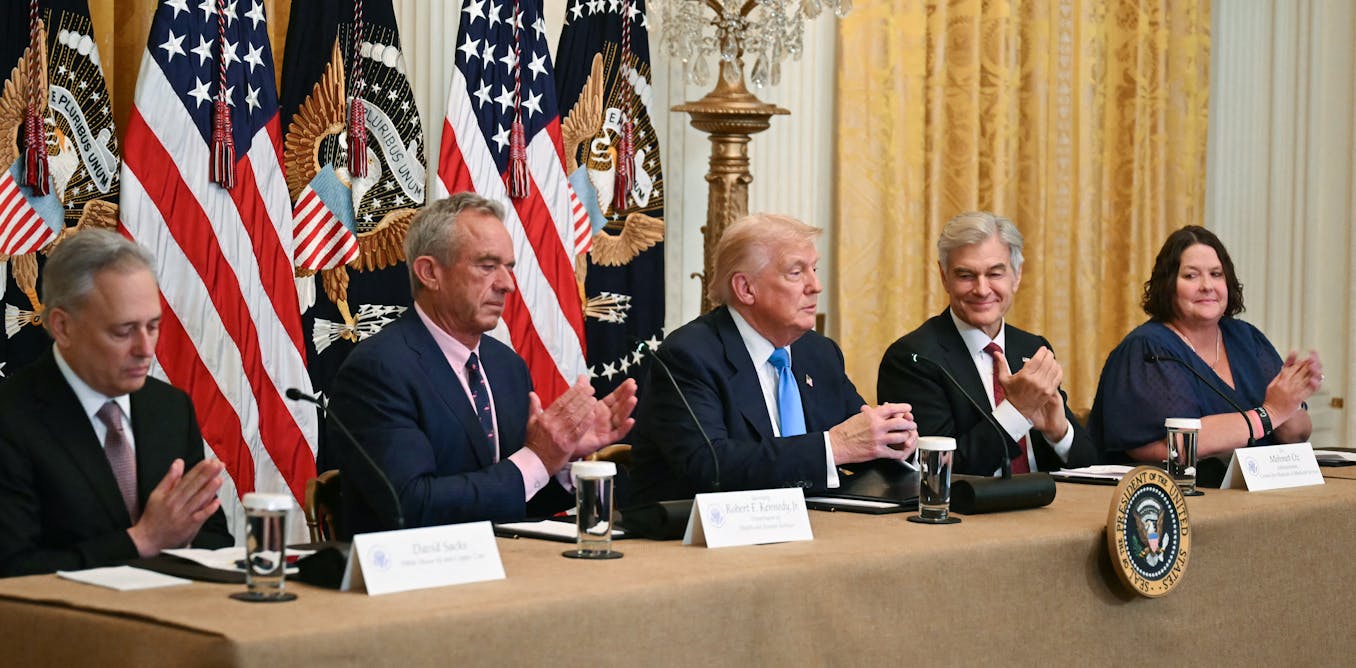
The headlines scream about budget deficits and policy shifts, but the real casualty of a potential second Trump administration is far more insidious: the very engine of American technological supremacy. We aren't just talking about minor budget trims; we are witnessing the deliberate dismantling of the foundational ecosystem that fuels US science and innovation. This isn't just a political squabble over funding—it's a strategic retreat that benefits our chief global competitors.
The Unspoken Truth: Who Really Wins When Science Funding Dries Up?
The prevailing narrative suggests these cuts are about fiscal responsibility. That’s the cover story. The **unspoken truth** is that targeted defunding, particularly in climate science, public health infrastructure, and fundamental physics research, serves a dual purpose. First, it appeases a specific, highly motivated political base skeptical of established institutional knowledge. Second, and far more critically, it creates a vacuum.
When the National Science Foundation (NSF) or the Department of Energy (DOE) face deep, destabilizing cuts, who rushes in to fill the void? Not domestic private capital, which prefers lower-risk, near-term returns. It's state-backed entities, primarily those in Beijing, pouring billions into the exact long-term, fundamental research the US is abandoning. This is not an accident; it’s a massive, self-inflicted competitive disadvantage for **American innovation**.
Consider the chilling effect on careers. Young, ambitious researchers—the lifeblood of future breakthroughs—will look at funding uncertainty and bureaucratic hostility and choose stability elsewhere. They will move to Europe, Canada, or, most dangerously, to nations actively recruiting top global talent. This brain drain is the silent killer of future GDP growth.
Deep Analysis: The Weaponization of Uncertainty in Research
The danger isn't just the dollar amount; it’s the **destabilizing policy changes**. Science thrives on predictability. A five-year grant cycle allows a lab to tackle high-risk, high-reward projects that might take a decade to yield results. When funding becomes erratic, subject to immediate political whim, researchers pivot to 'safe bets'— incremental, low-impact work that satisfies short-term metrics but fails to deliver paradigm shifts. This shift starves the 'blue-sky' research that historically yields massive economic returns, such as the internet or GPS.
The erosion of trust in federal scientific agencies also has profound geopolitical ramifications. When the US government signals it is unreliable as a long-term partner, international collaborations—vital for large-scale projects like fusion energy or space exploration—begin to fracture. Allies look for stable partners, and that stability is currently being offered elsewhere. This directly impacts US leadership in critical sectors like quantum computing and advanced materials.
What Happens Next? The Prediction
If current trends in budget prioritization continue, we will see a pronounced bifurcation in **scientific output** within the next decade. The US will remain dominant in applied, commercially viable technology (software, consumer electronics) where venture capital flows freely. However, in foundational, long-term areas—next-generation energy, advanced materials science, and pandemic preparedness—the US will fall into a persistent second-place position behind state-funded rivals.
The most painful outcome will be the decline in the US's ability to address systemic national threats. Without robust, uninterrupted climate monitoring and public health surveillance, the nation becomes brittle, reacting slowly to crises rather than proactively mitigating them. This isn't a partisan issue; it's a national security failure masked as fiscal policy.
Gallery



Frequently Asked Questions
What is the primary criticism of potential Trump administration science budget cuts?
The primary criticism is that these cuts are not just fiscal belt-tightening but a strategic undermining of long-term US competitiveness, creating opportunities for international rivals to dominate future technological sectors.
How do budget uncertainties affect scientific research?
Uncertainty forces researchers to abandon long-term, high-risk projects in favor of short-term, incremental work, thereby stifling major breakthroughs that require sustained investment over many years.
Is this only about climate science funding?
No. While climate science is heavily impacted, the destabilization extends across fundamental physics, public health research infrastructure, and basic materials science, affecting the entire ecosystem of American innovation.
What is the connection between US science cuts and China?
When US federal funding becomes unreliable, state-backed foreign entities can aggressively recruit top talent and fund long-term research programs that the US is abandoning, accelerating the transfer of technological leadership.
Related News

The Secret Cost of ESA's Space Data Deluge: Who Really Owns the Universe's Secrets?
Five years of ultra-fast data download speeds from space sound like a win, but the real story behind ESA's bandwidth boom is about control, not just science.
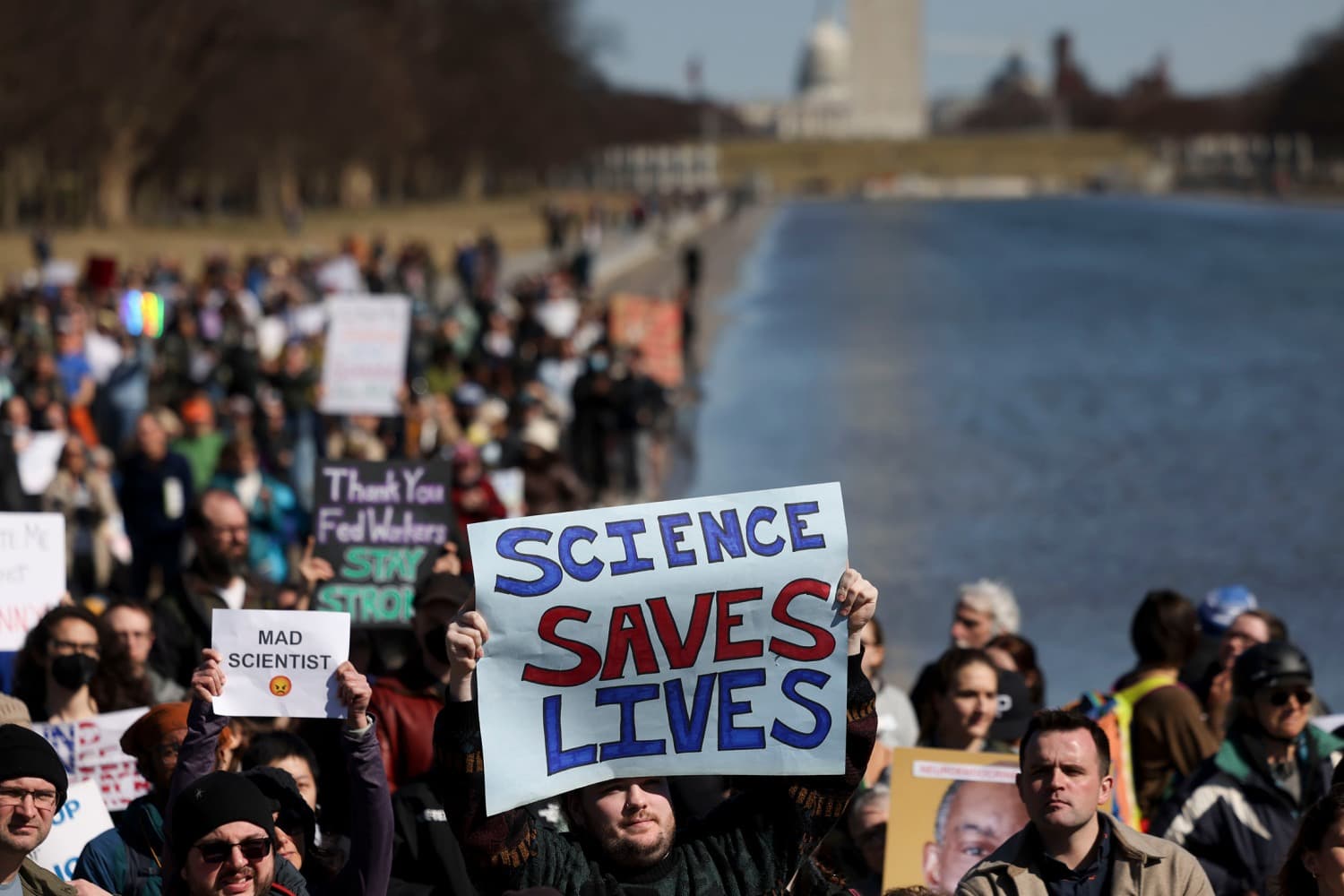
The Hidden War: Why Gutting Science Funding Is The Ultimate Political Weapon (And Who's Really Winning)
The failed attempts to slash US science funding reveal a deeper ideological battle over American innovation and global dominance.

The Quiet Coup: Why the Visit to Parashar Defence Isn't About MSMEs, It's About Strategic Debt
Tuhin A. Sinha's inspection of Parashar Future Defence Technologies signals a critical shift in India's defense industrial base, moving beyond mere 'Make in India' rhetoric.

DailyWorld Editorial
AI-Assisted, Human-Reviewed
Reviewed By
DailyWorld Editorial