The Arctic Gambit: Why Greenland's Rare Earth Boom Is Actually a Geopolitical Trap
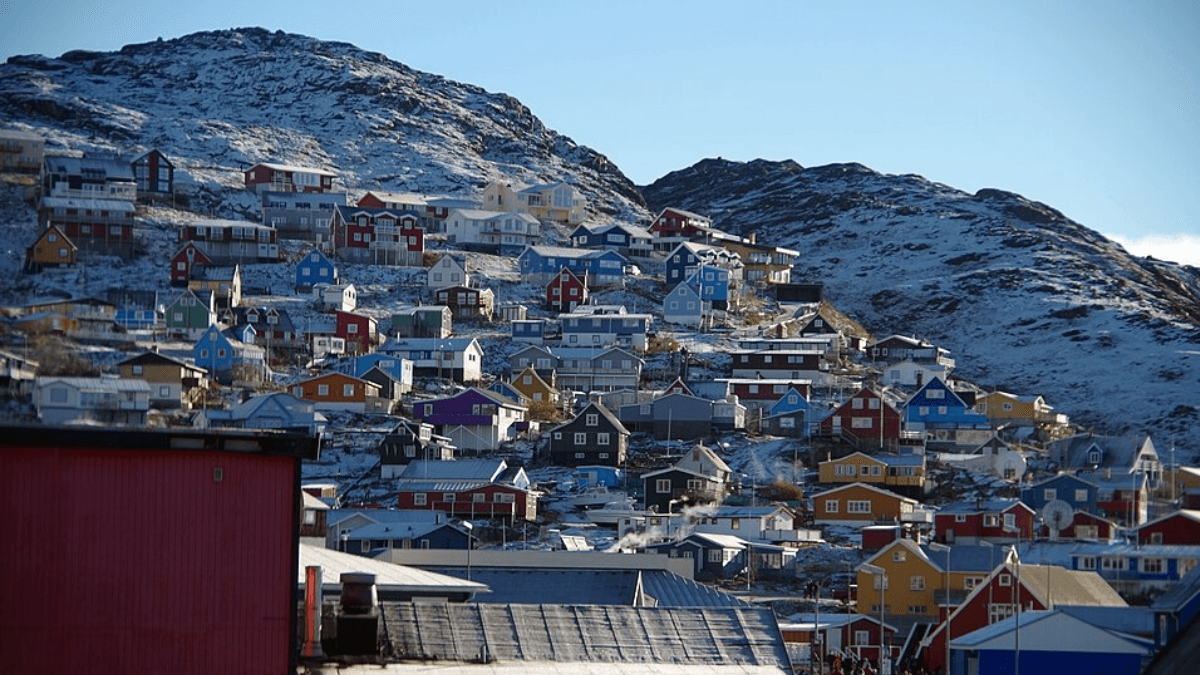
Forget the green transition hype. Greenland's critical mineral rush hides a brutal truth about Western dependency and China's long game in the Arctic.
Key Takeaways
- •Greenland's mineral rush substitutes dependency on China with vulnerability to Arctic political instability.
- •The environmental cost of Arctic extraction is being downplayed in favor of supply chain security narratives.
- •The real winners are the initial Western investors, not necessarily the local Greenlandic economy or population.
- •Processing control, not just raw material extraction, remains China's ultimate advantage.
The Arctic Gambit: Why Greenland's Rare Earth Boom Is Actually a Geopolitical Trap
The narrative we are being fed is simple: Greenland, the icy giant, is the West’s salvation from Chinese dominance over rare earth elements. As global supply chains fracture and the demand for electric vehicle batteries and advanced weaponry skyrockets, the discovery of massive deposits of neodymium, dysprosium, and other vital components beneath the permafrost seems like a geopolitical lottery win. But stop celebrating the potential windfalls. This rush for technology metals is not a story of liberation; it’s a story of replacing one form of dependency with another, arguably more volatile one.
The Unspoken Truth: Who Really Wins?
Who profits when Western consortiums descend on Nuuk? Not necessarily the Inuit population, whose autonomy remains fragile, nor the Danish government, which maintains ultimate oversight. The real winners are the established mining giants and the venture capital firms underwriting the astronomical upfront costs. The unspoken truth is that Greenland is being positioned as a high-risk, high-reward extractive colony for the 21st century. We cheer for diversification away from China, but we ignore the inherent instability of building an entire national economy on the extraction of volatile, price-sensitive commodities.
The environmental calculus is equally murky. Mining these materials requires massive energy and creates toxic tailings. The promise of a 'green' transition powered by Arctic extraction requires us to gloss over the immediate, localized ecological devastation. This isn't just about securing critical minerals; it’s about the moral hazard of exporting environmental destruction to the world's last frontier.
Deep Analysis: History Rhymes in the Arctic
This isn't new. Throughout history, resource-rich but politically developing regions have been leveraged by global powers. The current scramble echoes the colonial exploitation of rubber in the Congo or oil in the Middle East. The difference today is the speed and the stakes. Modern technology requires near-constant replenishment of these specific elements, meaning the leverage held by the nation controlling the operational mine site—be it Denmark, the EU, or the US investors—is immense.
Consider the supply chain fragility. A single political misstep, a labor dispute, or an unexpected environmental setback in Kvanefjeld could send shockwaves through the Western defense and consumer electronics sectors. We are trading the perceived stability of sourcing from a single, centralized adversary (China) for the guaranteed volatility of sourcing from a fragmented, politically sensitive, and geographically challenging new frontier. This is not de-risking; it’s re-risking.
What Happens Next? The Prediction
The bold prediction is this: Greenland will fail to become the diversified economic powerhouse the West hopes for in the next decade. Instead, it will become a focal point of intense geopolitical tension, far exceeding its current profile. We will see an escalation of 'soft power' competition between the US/EU and China for influence over local politics and labor unions. Furthermore, the initial extraction projects will face significant delays due to regulatory hurdles and local opposition, leading to massive cost overruns. By 2030, the West will realize that while Greenland has the resources, the logistical and political complexity makes rapid substitution of Chinese supply impossible. The reliance on existing, albeit less ethical, supply chains will persist far longer than current policy papers suggest. For a deeper look at global resource politics, see Reuters coverage on strategic materials.
The real battle won't be over who digs the metal out of the ground, but who controls the processing technology—a domain where China still holds a commanding lead. See the complexity of rare earth processing on Wikipedia.
The climate crisis demands new materials, but the geopolitical response is proving to be depressingly old.
Frequently Asked Questions
What are the main technology metals found in Greenland?
Greenland possesses significant deposits of rare earth elements (REEs), including neodymium and dysprosium, which are crucial for magnets in wind turbines and electric vehicle motors, as well as zinc and copper.
Why is China currently dominant in rare earth processing?
China achieved dominance through decades of state-subsidized investment, lower environmental regulation costs, and vertical integration across the entire supply chain, from mining to final high-purity element separation.
What is the main political hurdle for mining in Greenland?
The main hurdle is the balance between attracting necessary foreign investment and maintaining local political consensus, often complicated by environmental concerns and debates over the extent of self-governance versus Danish oversight.
How does the Arctic location impact mining feasibility?
The Arctic location drastically increases infrastructure costs, limits operational windows due to severe weather, and raises unique environmental and permafrost stability concerns, leading to significant project delays.
Related News

The Secret Cost of ESA's Space Data Deluge: Who Really Owns the Universe's Secrets?
Five years of ultra-fast data download speeds from space sound like a win, but the real story behind ESA's bandwidth boom is about control, not just science.

The Hidden War: Why Gutting Science Funding Is The Ultimate Political Weapon (And Who's Really Winning)
The failed attempts to slash US science funding reveal a deeper ideological battle over American innovation and global dominance.
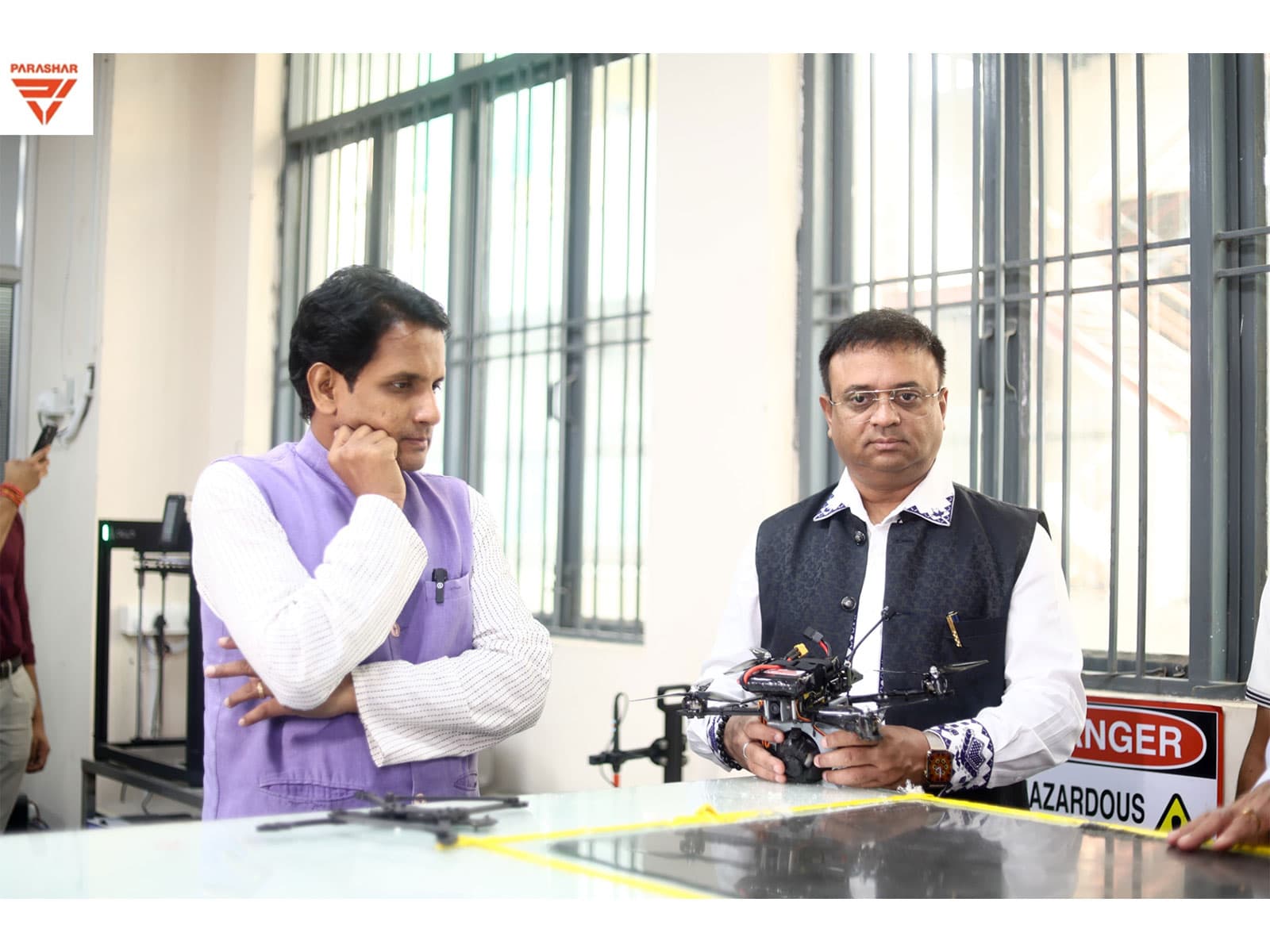
The Quiet Coup: Why the Visit to Parashar Defence Isn't About MSMEs, It's About Strategic Debt
Tuhin A. Sinha's inspection of Parashar Future Defence Technologies signals a critical shift in India's defense industrial base, moving beyond mere 'Make in India' rhetoric.

DailyWorld Editorial
AI-Assisted, Human-Reviewed
Reviewed By
DailyWorld Editorial