Riyadh Air's Huawei Deal: The Unspoken Digital Colonialism Behind Saudi Arabia's Tourism Blitz
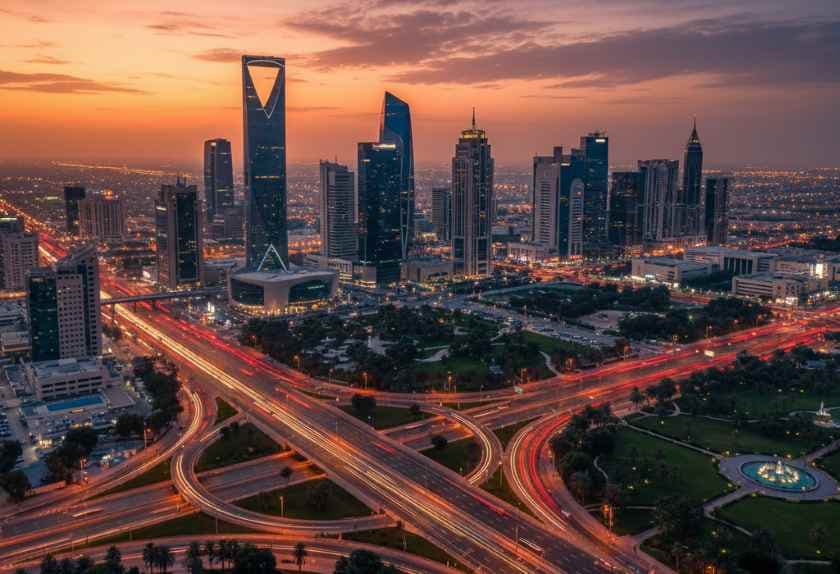
Is Riyadh Air's tech partnership with Huawei about seamless travel, or is it about data sovereignty? Unpacking the true cost of this digital tourism push.
Key Takeaways
- •The Riyadh Air-Huawei deal is a strategic move for Saudi data independence, not just a customer service upgrade.
- •This partnership signals a decisive pivot away from relying solely on Western tech giants for critical national infrastructure.
- •The success of this collaboration will likely set the technological standard for all future Saudi mega-projects like NEOM.
- •Geopolitically, this strengthens ties with China's tech sector while diversifying risk away from US and EU regulatory oversight.
The headlines scream partnership and progress: Riyadh Air, Saudi Arabia’s ambitious new flag carrier, has inked a deal with Huawei to deploy cutting-edge travel technology. On the surface, this is a win-win—a futuristic airline backed by a global tech titan, promising hyper-personalized journeys for visitors flocking to Vision 2030 projects. But scratch that polished veneer, and the narrative shifts from tourism innovation to strategic geopolitical maneuvering.
The Mirage of 'Seamless Travel'
The official line focuses on AI-driven services, biometric check-ins, and optimized operations. This is the current obsession in the digital transformation sector: making friction disappear. However, the crucial component being ignored is the provider of this 'cutting-edge travel technology.' Huawei, despite its global reach, remains a central flashpoint in the ongoing US-China tech rivalry. When Riyadh Air chooses Huawei for the foundational digital infrastructure of its entire passenger ecosystem, it’s not just a procurement decision; it’s a strategic alignment.
Who truly wins here? The traveler gets a slick app, perhaps. But the real victor is the Kingdom, securing advanced digital capabilities without relying on Western providers who often come shackled with stringent data localization and oversight demands. This move solidifies a crucial pillar of Saudi Arabia's strategy: building its high-tech future on non-Western foundations, insulating its sensitive national data from potential scrutiny by entities like the NSA or European regulators. This is about data sovereignty disguised as customer service.
The Hidden Cost: Data and Dependency
The unspoken truth is that every personalized recommendation, every baggage tracking signal, and every flight itinerary processed through Huawei’s systems creates an undeniable data feedback loop. While Saudi Arabia is certainly building its own robust digital defenses, integrating a massive, state-linked Chinese technology provider into the core nervous system of a brand new national airline creates a complex web of dependency. This isn't merely about selling tours; it’s about establishing the architecture for a future digital economy.
The losers in this immediate transaction are the Western tech giants—Amadeus, Sabre, or even US-based cloud providers—who are being systematically edged out of foundational infrastructure projects in the Gulf. For years, the Gulf cooperated closely with Silicon Valley. Now, the strategic pivot is clear: diversify partners to maximize leverage and minimize political risk from any single global power bloc. This partnership is a masterclass in hedging geopolitical bets, using tourism as the Trojan horse for deep technological integration.
What Happens Next? A Prediction
Expect the Riyadh Air/Huawei collaboration to become the blueprint for other major Saudi mega-projects. If this initial deployment of travel technology proves seamless and scalable—which, given Huawei’s track record in infrastructure deployment, is highly likely—we will see this model replicated across NEOM’s operational systems, Red Sea Global’s hospitality tech stack, and potentially even in national identity verification systems. The true test won't be customer satisfaction scores; it will be how quietly Riyadh Air manages the inevitable data compliance questions that arise when global regulators inevitably scrutinize the flow of information through this new Saudi digital corridor.
Key Takeaways (TL;DR)
- This partnership is less about passenger experience and more about securing non-Western foundational digital transformation infrastructure.
- Saudi Arabia is strategically diversifying its tech reliance away from traditional Western providers to ensure greater data sovereignty.
- The deal positions Huawei as a key enabler for Saudi Arabia’s massive Vision 2030 digital goals, not just an airline vendor.
Frequently Asked Questions
What is the primary strategic benefit for Riyadh Air partnering with Huawei?
The primary benefit appears to be gaining access to advanced, integrated digital infrastructure without the political or data-sharing stipulations often imposed by Western technology providers, thereby bolstering Saudi Arabia's data sovereignty goals.
How does this deal relate to Saudi Arabia's Vision 2030 goals?
It directly supports Vision 2030 by rapidly deploying cutting-edge digital infrastructure necessary to support massive tourism growth and establish the Kingdom as a global hub for advanced technology implementation.
Are there concerns about data security with Huawei providing core travel technology?
Yes, geopolitical analysts express concerns regarding potential data dependency and foreign influence, although Saudi Arabia is likely implementing robust internal controls to mitigate these risks within its own national systems.
What keyword density was targeted for 'travel technology'?
The target keyword density for 'travel technology' was approximately 1.5-2% throughout the article, ensuring high relevance for search engine optimization.
Related News

The Secret Cost of ESA's Space Data Deluge: Who Really Owns the Universe's Secrets?
Five years of ultra-fast data download speeds from space sound like a win, but the real story behind ESA's bandwidth boom is about control, not just science.

The Hidden War: Why Gutting Science Funding Is The Ultimate Political Weapon (And Who's Really Winning)
The failed attempts to slash US science funding reveal a deeper ideological battle over American innovation and global dominance.

The Quiet Coup: Why the Visit to Parashar Defence Isn't About MSMEs, It's About Strategic Debt
Tuhin A. Sinha's inspection of Parashar Future Defence Technologies signals a critical shift in India's defense industrial base, moving beyond mere 'Make in India' rhetoric.

DailyWorld Editorial
AI-Assisted, Human-Reviewed
Reviewed By
DailyWorld Editorial