The Hidden Cost of Lab-Grown Organs: Why Simplified Microfluidics Will Bankrupt Traditional Biotech
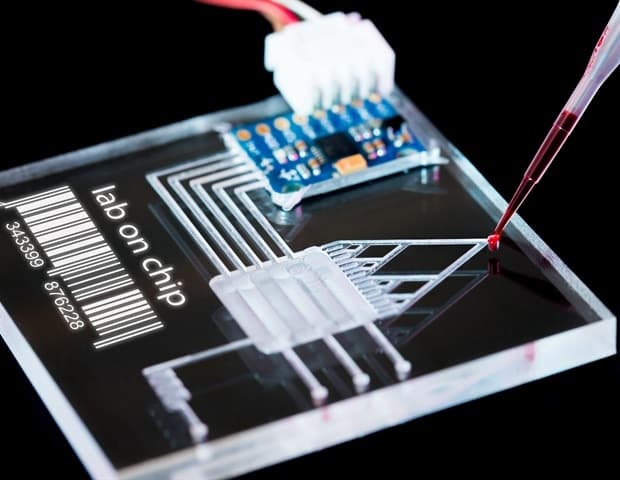
Digital microfluidic technology is changing 3D cell culture, but the real story is the centralization of pharmaceutical power it enables.
Key Takeaways
- •Simplified microfluidics standardizes 3D cell culture, benefiting large pharma's validation pipelines.
- •The 'democratization' hides a risk of data lock-in and mandated platform usage.
- •Academic labs face increased pressure to adopt expensive, standardized systems or risk publishing irrelevance.
- •The technology centralizes power by making reproducible data the dominant currency in regulatory submission.
Forget the glossy press releases about “revolutionizing drug discovery.” The real story behind the recent breakthrough in 3D cell culture, specifically using simplified digital microfluidic technology, isn't about better petri dishes—it’s about control. This isn't just an incremental improvement; it's a technological wedge driven deep into the heart of preclinical research, and the casualties will be small academic labs and independent biotechs.
The Illusion of Accessibility
For years, creating complex, physiologically relevant 3D cell culture models—organoids, spheroids, tumor-on-a-chip systems—has been a painstaking, expensive nightmare. It requires expert technicians, massive capital investment in fluidic control systems, and highly specialized consumables. Enter simplified digital microfluidics. The promise is clear: democratize high-fidelity cell testing. But let’s be brutally honest: this simplification is a Trojan horse.
The hidden agenda here is standardization and data lock-in. When a system becomes vastly simpler and more reliable, it becomes easier to regulate, easier to validate, and crucially, easier for the giants—the major pharmaceutical companies—to mandate its use across their entire R&D pipeline. The barrier to entry for *using* the tech drops, but the barrier to *controlling* the underlying IP and standardized protocols skyrockets.
Who Really Wins? The Data Oligarchs
The immediate winners are the platform developers, yes, but the ultimate victors are the entities that buy the resulting data: Big Pharma and major CROs (Contract Research Organizations). If every lab starts generating perfectly reproducible, high-throughput spheroid data using this standardized microfluidic approach, the value of that data explodes. Conversely, the obscure, messy, but sometimes brilliantly novel data generated by older, custom-built systems becomes increasingly discounted as “non-standard.”
We are witnessing the consolidation of biological reality. If you can’t run your assays on the new, standardized digital microfluidic platform, your results might as well not exist in the eyes of major regulatory bodies like the FDA. This shifts power away from academic discovery and squarely into the hands of industrial validation. Read more about the regulatory implications of new lab technologies here.
The Prediction: The Academic Extinction Event
My prediction is bold: Within five years, any academic lab attempting to publish groundbreaking work on drug efficacy using non-standard, high-variability 2D cultures or complex, non-digital 3D perfusion systems will face intense scrutiny, if not outright rejection. The pressure to adopt these simplified digital microfluidic platforms for drug screening—the primary market for this technology—will force universities to divert already strained budgets towards purchasing these integrated solutions, often via restrictive licensing agreements.
The true disruption isn't in the science; it's in the economics of scientific publication. The cost of entry for cutting-edge biological modeling just shifted from 'expensive equipment' to 'mandatory platform licensing.' This is about building an ecosystem where the tools dictate the research, not the other way around. For context on the historical impact of technological standardization, consider the early days of computing as detailed here.
The Unspoken Reality of Personalized Medicine
While this technology promises personalized medicine through patient-derived organoids, the reality is that only institutions with massive computational and financial backing will be able to process the resulting deluge of standardized data efficiently. The small cancer center trying to use this for bespoke patient treatments will be drowned out by the sheer volume and speed of the industrial players. The future of personalized medicine, ironically, looks incredibly centralized.
Gallery

Frequently Asked Questions
What is the primary advantage of digital microfluidic technology in cell culture?
The primary advantage is its ability to precisely control and automate fluid movement on a micro-scale, leading to highly reproducible, complex 3D cell culture environments that better mimic in-vivo conditions than traditional 2D methods.
How does this technology differ from traditional microfluidics?
Traditional microfluidics relies on fixed, etched channels. Digital microfluidics uses electrically controlled valves or droplets on a surface, allowing researchers to dynamically change the experimental setup without physically rebuilding the chip, making it far more flexible and simplified for high-throughput screening.
What is the major economic risk associated with this technological shift?
The economic risk lies in vendor lock-in. As the industry converges on a few standardized, proprietary digital platforms, smaller labs and research institutions may face high recurring costs for consumables and licensing, effectively centralizing access to cutting-edge research tools.
Can this technology speed up FDA drug approval?
Potentially, yes. By providing more physiologically relevant and highly standardized preclinical data, these 3D models can reduce the variability seen in traditional testing, which could lead to faster, more reliable submissions to regulatory bodies like the FDA.
Related News
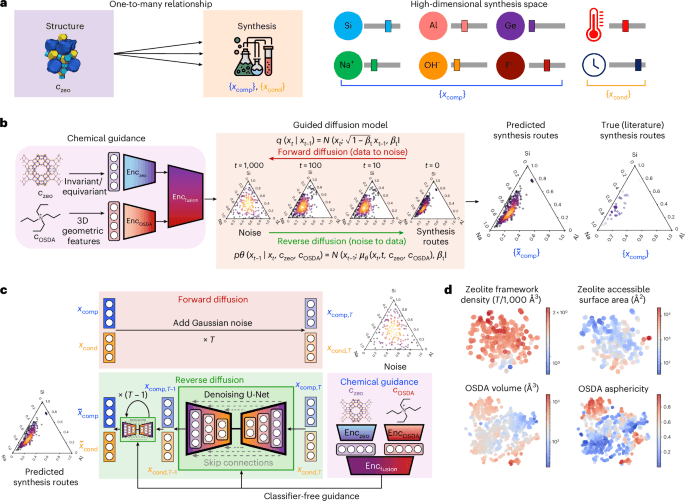
The AI Alchemy Revolution: Why DiffSyn Isn't Just New Science, It's a Threat to Traditional Chemistry Careers
Generative AI like DiffSyn is fundamentally reshaping materials science. Discover the unspoken winners and losers in this new era of chemical discovery.

The Hidden Cost of 'AI Saviors': Why Ravender Pal Singh's Math Background Exposes Silicon Valley's Shallow Hype Cycle
The journey from pure mathematics to AI innovation isn't just career progression; it's a warning about AI safety. Unpacking the real stakes.
The Silent Coup: Why Hillcrest's 'Success' with a Tier 1 Supplier Hides a Brutal Automotive Reality
Hillcrest's recent tech evaluation victory is less about innovation and more about the ruthless consolidation happening in automotive technology supply chains. Unpacking the hidden costs.

DailyWorld Editorial
AI-Assisted, Human-Reviewed
Reviewed By
DailyWorld Editorial