The AI Alchemy Revolution: Why DiffSyn Isn't Just New Science, It's a Threat to Traditional Chemistry Careers
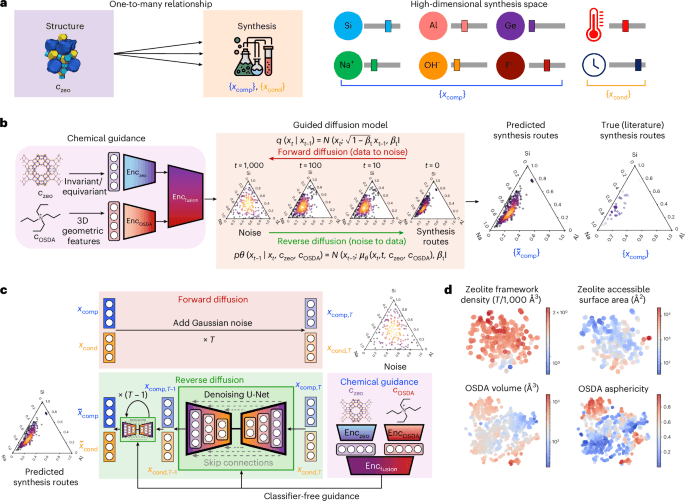
Generative AI like DiffSyn is fundamentally reshaping materials science. Discover the unspoken winners and losers in this new era of chemical discovery.
Key Takeaways
- •DiffSyn centralizes innovation power with entities that control large datasets and computational resources.
- •The technology threatens to deskill traditional, hands-on chemistry roles, creating a divide between AI operators and executors.
- •Future funding and patent wars will focus on the AI model's training data and generation parameters, not just the final material.
- •The reliance on 'black box' synthesis paths raises new questions about scientific trust and reproducibility.
The scientific press is buzzing about DiffSyn, a new generative diffusion model published in Nature, heralded as the next frontier in materials synthesis planning. On the surface, it’s elegant: using AI, trained on vast datasets, to reverse-engineer the recipe for complex new materials. But look closer. This isn't just an incremental improvement in laboratory efficiency; it’s a seismic shift in who controls innovation in the trillion-dollar materials sector. The real story isn't the algorithm—it’s the impending obsolescence of the journeyman chemist.
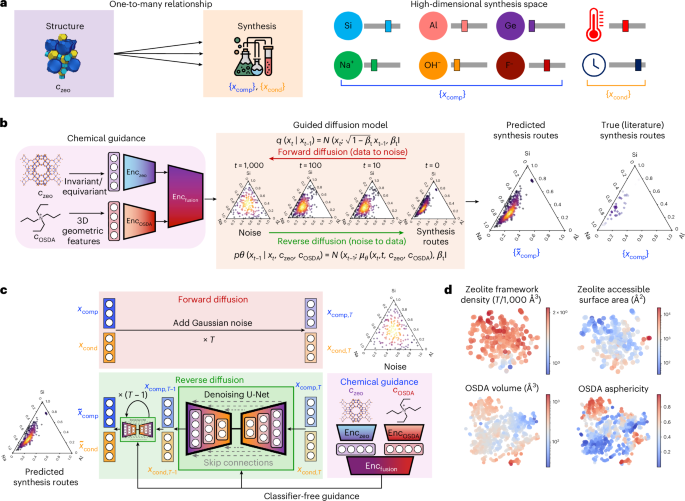
The Unspoken Truth: Centralization of Discovery
Who truly benefits from generative AI in science? Not the small university lab struggling for grants. The power accrues to the entities that possess the massive computational resources and, crucially, the proprietary synthesis data required to train models like DiffSyn effectively. This technology centralizes the R&D pipeline, shifting the competitive edge from experimental ingenuity to data infrastructure. Traditional, trial-and-error chemistry—the backbone of industrial material development for a century—is being outsourced to silicon.
The contrarian view here is that while DiffSyn *accelerates* discovery, it simultaneously *standardizes* it. If the optimal synthesis path for a novel battery cathode or superconductor is dictated by an algorithm owned by a handful of tech giants or state actors, true disruptive, serendipitous breakthroughs become rarer. We gain speed, but we risk losing intellectual diversity in chemical innovation.
Why This Matters: The Death of the Skilled Technician
For decades, a Ph.D. in chemistry or materials science promised a career path rooted in deep, hands-on expertise. DiffSyn threatens to bifurcate the field. At the top, you’ll have the elite prompt engineers and data scientists commanding the AI. At the bottom, you’ll have technicians executing AI-generated instructions—a process far less intellectually rewarding and more easily automated or outsourced globally.
This isn't just about efficiency; it’s about epistemology. How do we trust a material whose synthesis pathway we don't intuitively understand, but which an opaque neural network insists is optimal? This echoes debates seen in complex financial modeling and drug discovery, where the 'black box' dictates outcomes. For more on the general impact of AI on research integrity, see analyses from outlets like the New York Times on AI research transparency.
What Happens Next? The Prediction
Within three years, we predict that the primary metric for funding materials science research will shift from *publication output* to *model fidelity and proprietary dataset size*. Academic institutions that fail to integrate large-scale computational chemistry platforms will become footnotes in the industrial race for novel compounds. Furthermore, expect a sharp increase in patent litigation centered not on the final material, but on the specific sequence generation parameters within these diffusion models. The legal battles over the 'recipe' will overshadow the battles over the product itself.
The immediate future of materials synthesis planning is not in the fume hood; it’s in the cloud. Those unprepared to speak the language of diffusion models will be left behind, watching the AI-powered firms redefine what is physically possible. This technological leap is comparable to the shift seen when computational fluid dynamics revolutionized aerospace engineering, as documented in historical engineering texts like those found via ScienceDirect archives.
Gallery


Frequently Asked Questions
What is DiffSyn and how does it relate to generative AI?
DiffSyn is a novel application of generative diffusion models, similar to those used in image creation (like DALL-E), but adapted for materials science. It works backward to predict the necessary synthesis steps to create a desired material structure.
How will this impact careers in chemistry?
It is predicted to polarize careers. Experts capable of directing and interpreting these AI tools will be highly sought after, while routine synthetic chemistry roles may face automation or be relegated to pure execution tasks.
Is DiffSyn faster than traditional materials discovery?
Yes, significantly. Traditional methods rely on iterative, time-consuming experimentation. Diffusion models can propose viable synthesis pathways almost instantly, drastically cutting down the time from concept to viable compound.
What are the main risks associated with using AI for synthesis planning?
The primary risks involve the 'black box' problem—difficulty in understanding why the AI chose a specific, often counter-intuitive, synthesis route—and the centralization of scientific discovery among a few data-rich organizations.
Related News
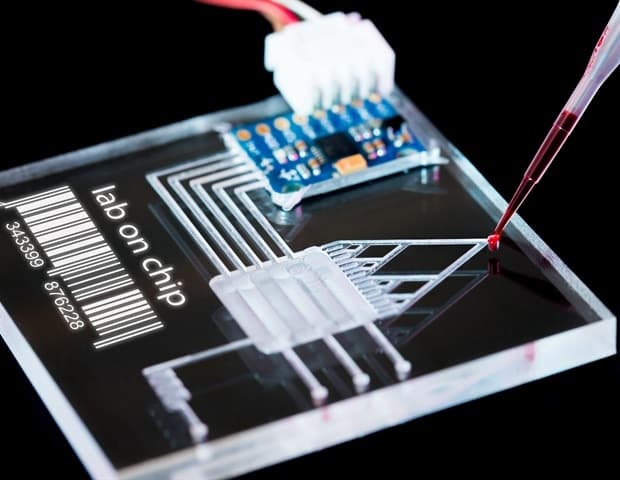
The Hidden Cost of Lab-Grown Organs: Why Simplified Microfluidics Will Bankrupt Traditional Biotech
Digital microfluidic technology is changing 3D cell culture, but the real story is the centralization of pharmaceutical power it enables.

The Hidden Cost of 'AI Saviors': Why Ravender Pal Singh's Math Background Exposes Silicon Valley's Shallow Hype Cycle
The journey from pure mathematics to AI innovation isn't just career progression; it's a warning about AI safety. Unpacking the real stakes.
The Silent Coup: Why Hillcrest's 'Success' with a Tier 1 Supplier Hides a Brutal Automotive Reality
Hillcrest's recent tech evaluation victory is less about innovation and more about the ruthless consolidation happening in automotive technology supply chains. Unpacking the hidden costs.
