Your Daily Painkiller Might Be Fueling Your Worst Decisions: The Hidden Cost of Paracetamol

The world's most common pain relief drug, paracetamol, is linked to risky behavior. Unpacking the dark side of this ubiquitous over-the-counter staple.
Key Takeaways
- •Paracetamol (Acetaminophen) is newly linked to reduced risk aversion and increased risky behavior.
- •The findings suggest the drug subtly dampens the brain's negative feedback mechanisms.
- •The economic winners are established OTC drug manufacturers who maintain market dominance.
- •A regulatory shift, including new warning labels, is likely within the next three years.
The Pill You Trust Is Making You Reckless
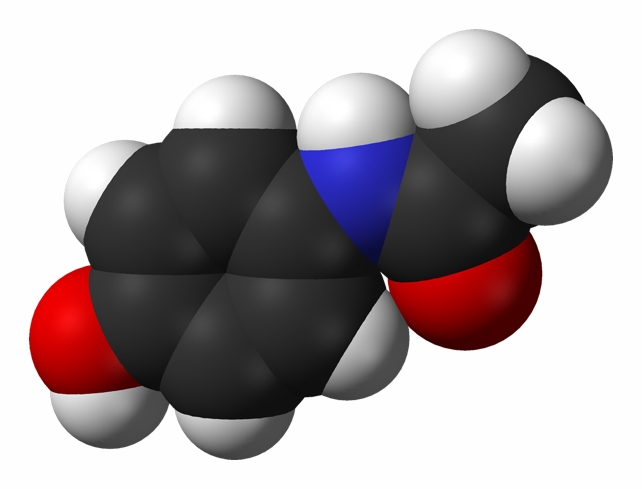
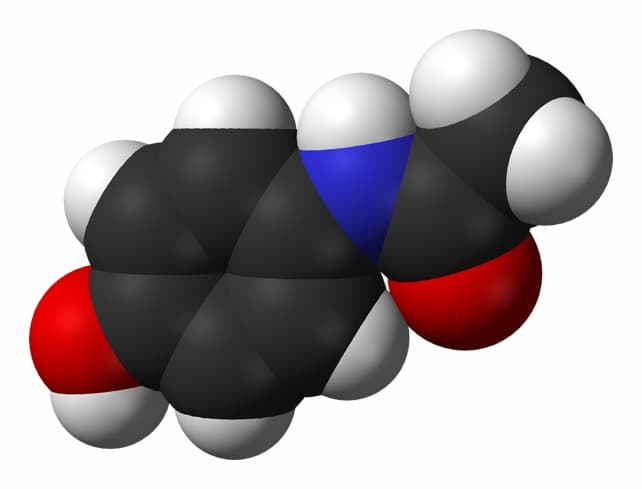
We pop paracetamol like it’s water. It’s the ubiquitous cure for the headache, the fever, the minor ache—a bedrock of modern self-medication. But a recent study suggests this household staple, often marketed under brand names like Panadol or Tylenol, isn't just dulling pain; it might be dulling your judgment. The unspoken truth here isn't about liver toxicity, which we already know about; it’s about the subtle erosion of risk assessment.
This isn't just about choosing a slightly riskier route home. We are talking about the potential chemical priming of millions of consumers toward poor financial choices, interpersonal conflicts, and dangerous driving. If this link holds, over-the-counter medication isn't just treating symptoms; it’s subtly altering the societal risk landscape.
The Hidden Agenda: Who Profits From Impaired Judgment?
The pharmaceutical industry, worth billions on OTC sales, certainly doesn't want this narrative gaining traction. If consumers begin to associate their trusted pain reliever with poor decision-making, sales of pain relief drugs will inevitably suffer. The analysis of this new research points to a chilling economic reality: the less critical the consumer, the more they spend, and the more dependent they become on quick fixes.
Who truly wins? Big Pharma, who maintains market dominance, and perhaps, inadvertently, the insurance industry who benefits from the marginally increased incidence of accidents or poor long-term health choices that stem from this slight cognitive shift. The loser? The individual consumer, whose autonomy is being chemically compromised under the guise of comfort. We are trading minor physical pain for major cognitive vulnerability.
Deep Dive: Beyond the Placebo Effect
Why is this happening? Researchers hypothesize that paracetamol interacts with brain pathways involved in emotional processing, effectively dampening negative feedback signals. This is critical. Human beings learn caution because negative outcomes hurt. If the chemical dampener prevents the full sting of that negative feedback—the anxious flutter before a bad bet, the sharp regret after an argument—the brain rewires itself to seek similar, low-stakes risks repeatedly. This is far more insidious than recreational drug use; this is an accepted, regulated substance integrated into daily life, creating a population that is marginally, but consistently, less risk-averse.
Consider the implications for high-stakes environments like trading floors, operating heavy machinery, or even complex negotiations. A slight chemical nudge toward overconfidence could be the difference between success and catastrophic failure. You can read more about the complex nature of pain modulation and risk here: Nature Research.
What Happens Next? The Regulatory Reckoning
The immediate future will see pharmaceutical lobbyists working overtime to discredit or minimize these findings. However, the genie is out of the bottle. Expect increased scrutiny, particularly in regulatory bodies like the FDA and EMA. My prediction: Within three years, we will see mandatory, if subtle, warning labels added to high-dose paracetamol packaging, similar to those required for alcohol regarding impaired driving. Furthermore, this research will trigger a massive R&D push for non-acetaminophen alternatives that target pain pathways without affecting executive function. The market for 'clean' pain relief is about to explode. For context on global drug regulation, see the Reuters Health Section.
The next time you reach for that familiar blister pack, remember: you might be buying more than just pain relief. You might be purchasing a small dose of recklessness. The true battle isn't against pain; it's against the subtle chemical influence over our most crucial human faculty—sound judgment. For an overview of the drug’s history, see the Encyclopaedia Britannica.
Gallery



Frequently Asked Questions
Is this study saying paracetamol is addictive?
No, the study does not suggest addiction in the traditional sense. Instead, it points toward a modulation of cognitive functions that make users more prone to making risky decisions without feeling the appropriate level of caution or regret.
What is the main difference between this finding and known liver toxicity?
Liver toxicity is a known dose-dependent physical side effect. The risky behavior link is a neurocognitive side effect occurring at standard therapeutic doses, affecting judgment rather than physical organ function directly.
What are safer alternatives for daily pain management?
For chronic, low-level pain, alternatives often focus on non-pharmaceutical routes such as targeted physical therapy, anti-inflammatory diets, or, where medically appropriate, exploring NSAIDs with different mechanisms of action, though these carry their own risks.
How common is the use of paracetamol globally?
Paracetamol is one of the most widely used medications globally, often considered the default choice for acute pain relief due to its perceived safety profile compared to NSAIDs like ibuprofen, making the potential behavioral impact widespread.
Related News
The Collagen Cult Collapse: Why Dermatologists Are Finally Admitting Your $50 Powder Is Snake Oil
Dermatologists are quietly admitting that ingestible collagen supplements fail to deliver on their viral beauty promises. We dissect the industry.

Centenarians Eat Steak? The Hidden Agenda Behind the Latest Longevity Study
Forget kale. New data suggests meat-eaters hit 100, but this longevity finding reveals a deeper truth about diet and wealth.
The Silent Risk: Why Your Daily Paracetamol Habit Could Be Making You Dangerously Reckless
The world's most common painkiller, paracetamol, is now implicated in inducing risky behavior. Unpacking the hidden dangers of this ubiquitous drug.

DailyWorld Editorial
AI-Assisted, Human-Reviewed
Reviewed By
DailyWorld Editorial