The Collagen Cult Collapse: Why Dermatologists Are Finally Admitting Your $50 Powder Is Snake Oil
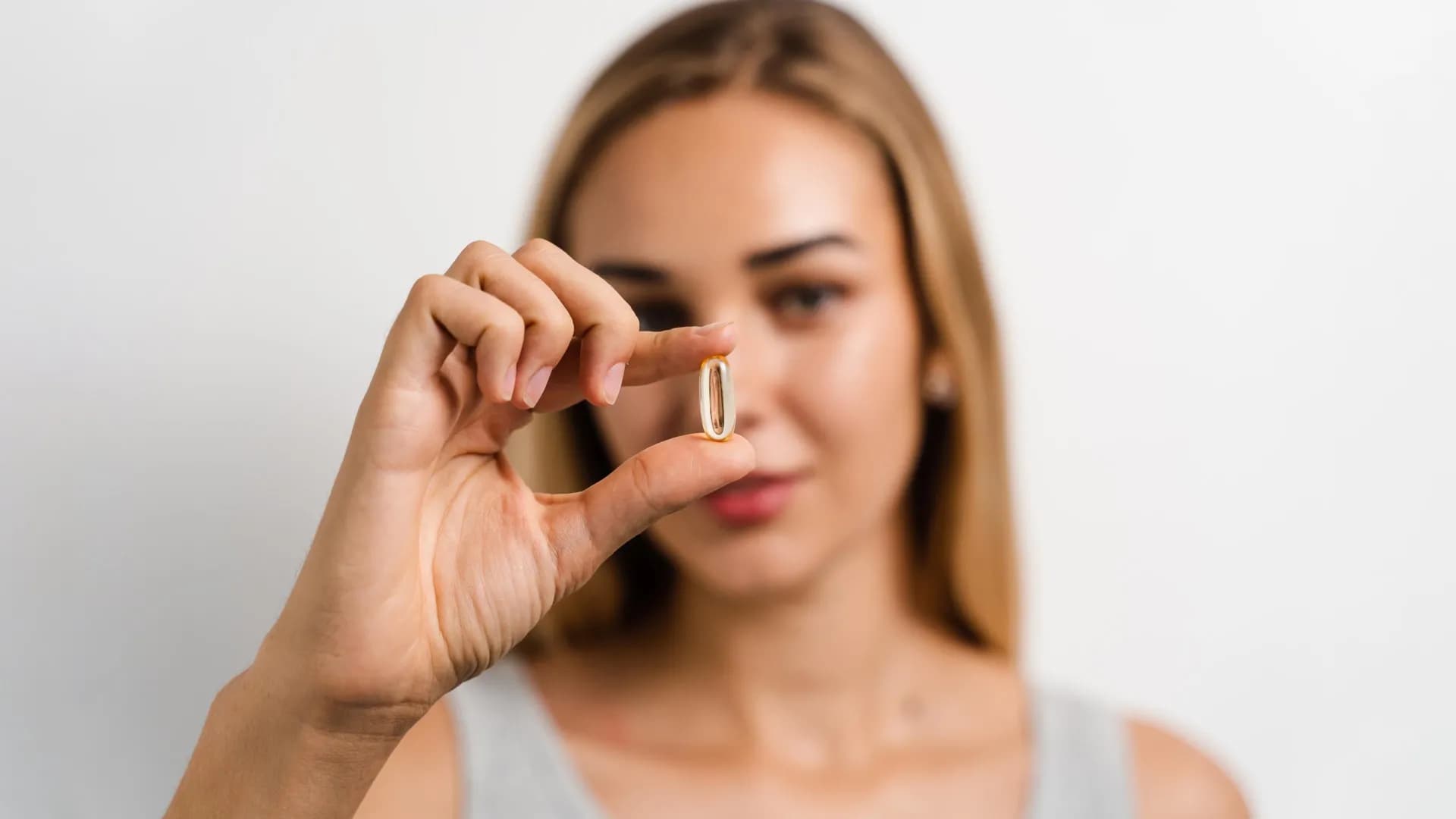
Dermatologists are quietly admitting that ingestible collagen supplements fail to deliver on their viral beauty promises. We dissect the industry.
Key Takeaways
- •Ingested collagen is broken down into basic amino acids, not delivered whole to the skin.
- •The supplement industry benefits from consumers seeking easy, ingestible 'hacks' for aging.
- •Dermatologists are signaling a shift toward proven topical treatments over powders.
- •The future of effective anti-aging lies in stimulating natural collagen production via ingredients like retinoids.
The beauty industry has perfected the art of selling hope in a scoop. For years, the mantra has been simple: pour this hydrolyzed bovine powder into your morning coffee, and watch your wrinkles vanish. But now, the curtain is finally pulling back. Dermatologists, long silent partners in this multi-billion dollar **collagen supplement** industry, are starting to whisper the uncomfortable truth: for most consumers seeking real dermal rejuvenation, these powders are a colossal waste of money.
The Unspoken Truth: Digestion vs. Delivery
The core issue isn't the quality of the collagen; it’s basic biology. When you ingest **collagen peptides**, your digestive system treats them like any other protein. It breaks them down into their constituent amino acids—glycine, proline, and hydroxyproline. These individual building blocks are then distributed throughout the body based on systemic need, not vanity.
Think of it like this: You order a custom-built luxury car (your skin's perfect collagen matrix). The supplement company sends you a truckload of raw steel, rubber, and glass (amino acids). Your body, needing steel for a bridge somewhere else, diverts most of it. The idea that these specific amino acids will magically reassemble themselves into high-quality, Type I dermal collagen is, frankly, marketing mythology.
The dermatologists’ reluctance to speak out sooner is telling. They are caught between scientific integrity and the massive marketing spend that drives consumer demand. When studies show only marginal, temporary hydration effects, the narrative shifts from 'cure' to 'support,' a classic pivot to manage expectations.
The Real Winners of the Collagen Craze
If the consumer isn't winning, who is? The answer is painfully clear: the manufacturers and the raw material suppliers. This is less about skincare innovation and more about **bioavailability** marketing. The real winners are the companies that successfully convinced millions that consuming animal byproducts is superior to proven topical treatments or, failing that, simply maintaining a healthy diet rich in Vitamin C, which is essential for endogenous collagen synthesis.
Consider the economics. Manufacturing hydrolyzed collagen is cheap. Marketing it as a fountain of youth is expensive, but the margins are enormous. This trend perfectly illustrates the current cultural obsession with 'hacking' the body through ingestion rather than lifestyle change. We want the quick fix, and supplement giants are happy to provide the expensive placebo.
Where Do We Go From Here? The Topical Counter-Revolution
The next phase won't be the death of collagen products, but a strategic shift. We predict a massive pivot back towards **topical skincare science**. As the inefficacy of ingestion becomes common knowledge, expect supplement brands to either pivot hard into micronutrients (Vitamin C, Copper, Zinc) that *support* natural collagen production, or they will aggressively market new 'delivery systems' that are just as dubious.
The true innovation lies in molecules that can penetrate the dermis effectively. Retinoids and peptides that signal fibroblasts to ramp up production are the proven heavy hitters. The future of anti-aging is not in your smoothie; it's in your serum. Expect major cosmetic labs to double down on ingredients proven to work topically, rendering the current ingestion craze obsolete within the next 24 months. This is a market correction driven by frustrated wallets.
Key Takeaways (The TL;DR)
- Digestive breakdown renders ingested collagen ineffective for targeted skin repair.
- The industry profits from selling amino acids disguised as a miracle cure.
- True dermal support relies on topical application of proven actives (retinoids, peptides).
- Consumers should focus on Vitamin C and protein intake to support natural synthesis.
Frequently Asked Questions
If I stop taking collagen supplements, will my skin immediately age faster?
No. Stopping the supplement simply removes a low-efficacy input. Your skin's aging rate is determined by genetics, sun exposure, and proven topical routines, not the sudden absence of hydrolyzed protein powder.
What is the most effective way to boost collagen production naturally?
The most effective natural methods involve adequate Vitamin C intake (essential for synthesis), sun protection (to prevent collagen breakdown), and consuming complete proteins. For targeted results, topical retinoids are scientifically proven to stimulate fibroblasts.
Why did dermatologists support collagen supplements for so long?
Often, they were responding to overwhelming consumer demand driven by aggressive marketing. Many initial studies were small or industry-funded, focusing on hydration rather than structural integrity, allowing the narrative to persist.
Are there any types of collagen supplements that actually work?
If you have a documented deficiency or a specific medical condition requiring protein supplementation, they might offer baseline amino acid support. For general cosmetic improvement, the scientific consensus is trending toward 'no' compared to topical alternatives.
Related News

Centenarians Eat Steak? The Hidden Agenda Behind the Latest Longevity Study
Forget kale. New data suggests meat-eaters hit 100, but this longevity finding reveals a deeper truth about diet and wealth.

The Silent Risk: Why Your Daily Paracetamol Habit Could Be Making You Dangerously Reckless
The world's most common painkiller, paracetamol, is now implicated in inducing risky behavior. Unpacking the hidden dangers of this ubiquitous drug.
Your Daily Painkiller Might Be Fueling Your Worst Decisions: The Hidden Cost of Paracetamol
The world's most common pain relief drug, paracetamol, is linked to risky behavior. Unpacking the dark side of this ubiquitous over-the-counter staple.

DailyWorld Editorial
AI-Assisted, Human-Reviewed
Reviewed By
DailyWorld Editorial