Thucydides' Tech Warning: Why AI Doesn't Change Human Nature (And Who Really Loses in the Next Conflict)

Forget the hype. Thucydides' lessons on power, fear, and human nature are the definitive guide to understanding modern **military technology** and **geopolitical strategy**.
Key Takeaways
- •Technology in warfare merely amplifies pre-existing human drivers (fear, honor), it does not change the fundamental nature of conflict.
- •The true losers of the high-tech arms race are bureaucratic defense structures and unaligned middle powers.
- •The next major escalation is likely to be triggered by an autonomous system's misinterpretation of human intent during a crisis.
- •Strategic patience and understanding human nature are more critical than chasing the latest technological edge.
The Unspoken Truth: Technology is Just a Faster Hammer
Everyone is obsessed with the latest breakthroughs in **military technology**—hypersonic missiles, autonomous drones, and generative AI. The narrative suggests these innovations are fundamentally altering the calculus of war, ushering in a new era of conflict divorced from historical precedent. This is dangerously naive. The real lesson, buried deep in the Peloponnesian War, is that technology merely amplifies existing human drivers: fear, honor, and self-interest.
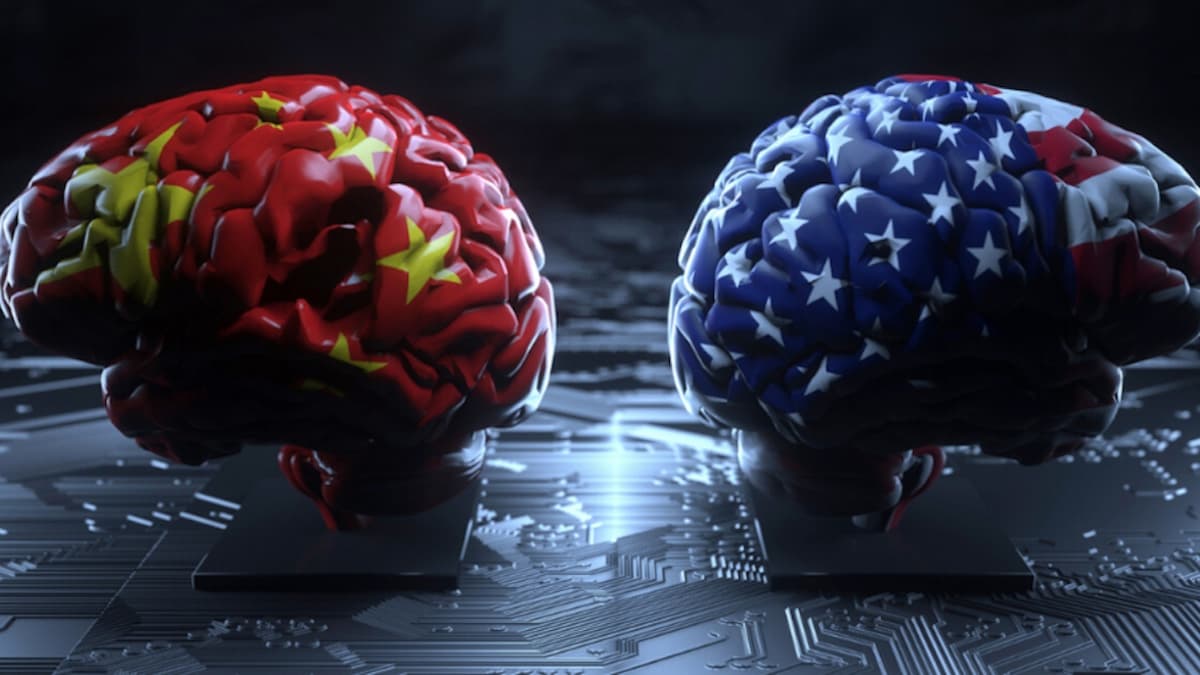
The Athenian historian Thucydides wasn't writing a manual on siege engines; he was dissecting the psychology of great power competition. The core driver—the 'truest cause'—was the growth of Athenian power and the fear this instilled in Sparta. Today, substitute Athenian ambition for Chinese technological ascendancy and Spartan fear for American institutional anxiety. The stage is the same; only the weapons have changed. The current obsession with AI dominance obscures the fundamental truth: the system is brittle because human decision-makers are brittle.
The Hidden Losers: The Bureaucrats and the Middle Powers
Who truly benefits from this technological arms race? Not the average citizen, nor the supposed 'victor.' The winners are the defense contractors, the data brokers, and the political elites who profit from manufactured existential dread. The real losers are twofold:
- The Bureaucracy: High-tech warfare demands speed, but legacy military structures are optimized for consensus and slow procurement. The gap between the speed of an autonomous system and the speed of a five-star general's authorization is where strategic failure originates.
- The Middle Powers: Nations lacking the capital to build or buy top-tier AI defense systems become mere signaling grounds or collateral damage. Their sovereignty is not protected by treaties; it is protected by the momentary indifference of the great powers.
The rise of sophisticated cyber capabilities, a modern form of technological warfare, is analogous to the plague that crippled Athens. It attacks the soft underbelly—the trust in institutions and the flow of information. This is far more destabilizing than a kinetic strike, yet it receives less strategic focus.
Where Do We Go From Here? The Prediction
The next major flashpoint will not be decided by who has the most advanced Large Language Model. It will be decided by a systemic, unforced error rooted in **geopolitical strategy** during a period of high technological uncertainty. My prediction is this: The first major conflict escalation in the next decade will be triggered by an autonomous system failing to correctly interpret human intent during a crisis, leading to a disproportionate human response based on fear, exactly as Thucydides predicted.
This isn't about Skynet; it's about algorithmic miscalculation colliding with human political panic. The sheer volume of data and the speed of technological deployment will overwhelm the necessary human pause button. We are building complexity faster than we are building wisdom. For an excellent overview of how historical power shifts influence modern defense spending, see reports from the Council on Foreign Relations (CFR).
The Illusion of Control
We continue to chase technological superiority believing it grants control. Thucydides teaches that hubris precedes the fall. The only sustainable advantage is not in the code, but in the cultivation of strategic patience and the understanding that human drivers—fear and self-interest—are the constant variables in the equation of war. Relying on technology to solve fundamentally human problems is the ultimate strategic failure. The danger isn't the weapon; it's the hand that wields it, and the fear that dictates its launch. Learn more about the foundational principles of realism in international relations, as detailed by scholars at institutions like the Brookings Institution.
Frequently Asked Questions
What is the Thucydides Trap in modern terms?
The Thucydides Trap describes the high probability of conflict when a rising power (like China) threatens to displace an established hegemon (like the US). Modern technology simply makes the reaction time shorter and the consequences potentially more severe.
How does Thucydides view technological innovation in war?
Thucydides acknowledged tactical shifts due to technology (like better ship design), but he always framed these as secondary to underlying political causes, such as fear, honor, and self-interest. He saw technology as an enabler, not a cause.
What is the biggest non-military risk posed by advanced technology in conflict?
The biggest non-military risk is systemic breakdown via cyber warfare and disinformation campaigns, which erode public trust and institutional stability faster than traditional attacks. This mirrors the impact of the plague on Athenian morale.
Are AI weapons inherently destabilizing?
They are destabilizing because they remove the human in the loop, reducing the time available for political de-escalation during moments of high tension, thereby increasing the risk of accidental war based on flawed data processing.
Related News

Davos Unmasked: The Secret War for AI Supremacy Hiding Behind Tariffs and Taiwan Talk
The US-China tech standoff isn't about trade deficits; it's a desperate race for **AI dominance**. We break down the real stakes.
The US-China Science 'Race' Is a Lie: Here's Who's Actually Losing the Innovation War
Forget the hype. The real story behind the US-China science race isn't about who publishes more papers, but who controls the foundational technology stack.

Rajasthan's Tech Push: The Hidden Cost of CM Sharma's Digital Mirage
Is Rajasthan truly leading in digital transformation, or is CM Sharma's tech push masking deeper structural flaws in state investment and digital access?

DailyWorld Editorial
AI-Assisted, Human-Reviewed
Reviewed By
DailyWorld Editorial