The Tree Explosion Panic: Why Climate Fearmongering Is More Dangerous Than Frostbite

Forget exploding trees. The real danger in this cold snap isn't botany; it's the weaponization of viral 'science' during extreme weather events.
Key Takeaways
- •The viral claim of 'exploding trees' is an overblown distraction from real climate adaptation needs.
- •The rapid spread of such claims benefits those seeking to bypass nuanced policy discussions with emotional triggers.
- •This pattern erodes scientific literacy, making the public less receptive to genuine, complex climate threats.
- •Future extreme weather events will likely be met with increasingly sophisticated, fear-based viral narratives.
The Hook: Are Your Local Oaks Primed for Detonation?
The internet, that great amplifier of half-truths, has delivered its latest masterpiece: the claim that extreme cold is causing trees to literally explode. This sensationalism, fueled by vague social media videos and the predictable rush of legacy media to debunk it (while still capitalizing on the traffic), misses the crucial point. We aren't just dealing with meteorological misunderstanding; we are witnessing the weaponization of climate anxiety. The actual science—the subtle stresses on xylem and phloem—is far less interesting than the manufactured panic over extreme weather.
The 'Meat': When Vibrations Become Violations
What is actually happening? When temperatures plummet, the water inside a tree's cells freezes. If the temperature drops too rapidly, the expansion creates immense internal pressure, leading to what arborists call 'frost cracking' or 'ice shattering.' This sounds dramatic, but it’s usually a loud snap or a deep fissure, not an actual explosion. The CBC report lightly touched on this, but they failed to interrogate the *motive* behind the spread. Who benefits when everyone is worried about the structural integrity of the nearest park?
The answer is simple: those who want to bypass nuanced policy discussions with immediate, emotionally charged narratives. The viral spread of the 'exploding tree' meme—a potent visual—serves as perfect clickbait, diverting attention from complex energy grid resilience or long-term adaptation strategies. We are distracted by falling timber while the real structural failures happen elsewhere. The core issue isn't the cold; it's the viral misinformation cycle.
The 'Why It Matters': The Erosion of Scientific Literacy
This phenomenon is far more significant than a temporary weather scare. Every time a sensational, scientifically dubious claim goes viral, it trains the public to react emotionally rather than analytically. This constant state of high alert degrades trust in genuine scientific communication. When real threats—like persistent drought or sea-level rise—are discussed, the audience is already fatigued and skeptical, having just navigated a week of purported arboreal detonations.
The true losers here are not the trees, but the nuanced conversations around infrastructural investment. We need robust debate on hardening power lines and updating building codes for *all* climate extremes, not just the ones that sound like a B-movie plot. This cycle feeds the narrative that science is just another opinion bandied about on social media. For deep dives into the physics of freezing, consult established atmospheric science journals, not TikTok.
What Happens Next? The Prediction
Expect this pattern to intensify. As climate variability increases, so will the frequency of these 'viral science moments.' My prediction: The next major viral scare will revolve around infrastructure failure—perhaps burst water mains being blamed on aliens, or power substations spontaneously combusting due to a specific barometric pressure reading. The media ecosystem has learned that fear sells better than preparedness. We will see sophisticated actors, both domestic and foreign, intentionally seeding these highly visual, low-substance scientific scares to sow generalized chaos and distrust in expert consensus. Navigating the next decade requires developing a robust cultural immunity against these manufactured moments of **extreme weather** panic.
Key Takeaways (TL;DR)
- The Reality: Trees experience frost cracking (loud snaps), not Hollywood-style explosions.
- The Agenda: Viral scares distract from complex, necessary infrastructure and climate adaptation planning.
- The Danger: Over-sensationalization erodes public trust in legitimate climate science and reporting.
- The Future: Expect more weaponized, visually arresting scientific misinformation during future weather events.
Gallery


Frequently Asked Questions
Can trees actually explode due to cold temperatures?
While trees can suffer severe damage from internal ice expansion, leading to loud 'frost cracks' or splits, they do not explode in the conventional sense. The term is sensationalized for viral impact.
What is the real danger of viral weather claims?
The real danger lies in the erosion of public trust and the diversion of attention from critical, non-sensational issues like grid modernization and long-term climate resilience planning.
What is 'frost cracking' in trees?
Frost cracking occurs when rapid temperature drops cause the outer layers of wood to contract faster than the inner layers, creating immense internal tension that results in a loud splitting sound or deep fissure.
How can I verify extreme weather science claims?
Always cross-reference viral claims with established, peer-reviewed sources or high-authority scientific institutions rather than relying solely on social media shares.
Related News
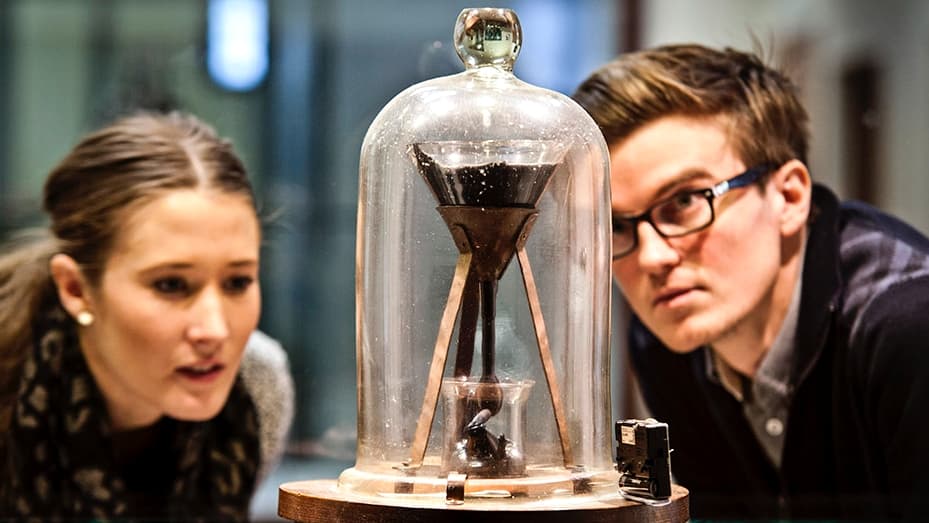
The 98-Year-Old Sticky Mess: Why Academia’s Longest Experiment Is a Monument to Obsolescence (And Who's Paying for It)
The world's longest-running lab experiment, the Pitch Drop, is nearing a century. But this slow science hides a dark secret about funding and relevance.

NASA’s February Sky Guide Is a Distraction: The Real Space Race is Happening in the Shadows
Forget Jupiter alignments. NASA’s February 2026 skywatching tips mask a deeper shift in space dominance and technological focus.

The Hidden Cost of 'Planned' Discovery: Why Science is Killing Serendipity (And Who Benefits)
Is modern, metric-driven science sacrificing accidental breakthroughs? The death of **scientific serendipity** impacts innovation and funding strategy.
