The Testosterone Trap: Why Big Pharma Is Selling Middle-Aged Men a Dangerous Myth

Are men being misled over testosterone replacement therapy (TRT)? The science suggests a billion-dollar industry is preying on natural aging.
Key Takeaways
- •The aggressive marketing of TRT is potentially creating a massive overdiagnosis of normal age-related testosterone decline.
- •The economic incentive favors prescription, often overlooking significant long-term health risks for marginal benefit.
- •True hypogonadism requires treatment, but lifestyle factors are increasingly being masked by hormone prescriptions.
- •A regulatory correction is inevitable as insurance costs and long-term data gaps become undeniable.
The Hook: Are We Medically Pathologizing Normal Aging?
The air is thick with the promise of renewed vigor: higher libido, surging muscle mass, and the return of youthful energy. This promise is being sold under the banner of testosterone replacement therapy (TRT), a rapidly expanding market targeting men experiencing the natural decline of their androgens. But beneath the glossy marketing and celebrity endorsements lies a critical question that few mainstream outlets dare to ask: Are we witnessing a medical revolution, or a massive, highly profitable overdiagnosis of the male midlife crisis? The debate around male health is being hijacked by profit motives, and the true cost of this therapy is being dangerously obscured.
The 'Meat': Shifting Baselines and Symptom Scapegoating
The Guardian’s recent focus on the potential misleading nature of testosterone promotion hits on a vital point: the normalization of what is essentially age-related change. Testosterone levels naturally decrease by about 1% per year after age 30. For decades, this was accepted as part of the human condition. Now, influenced by aggressive direct-to-consumer advertising and clinics eager to prescribe, the threshold for 'clinically low' is being lowered, pulling more men into the TRT pipeline. This isn't just about treating genuine hypogonadism; it's about treating the malaise of modern life—stress, poor sleep, and systemic inflammation—with a single, expensive hormone shot.
The core issue revolves around hormone therapy efficacy versus risk. While TRT can dramatically improve quality of life for men with confirmed, symptomatic hypogonadism, the data for men hovering in the 'low-normal' range is far less compelling. We are seeing a dangerous trend where doctors, pressured by patient expectations fueled by online hype, are treating symptoms—fatigue, mild depression—with a drug that carries significant cardiovascular and hematological risks. This is a textbook case of pharmaceutical intervention chasing lifestyle malaise.
The 'Why It Matters': The Unspoken Truth of the TRT Economy
Who truly wins here? The answer is simple: the pharmaceutical giants and the burgeoning network of specialized TRT clinics. This industry thrives on creating demand where medical necessity is ambiguous. The unspoken truth is that TRT is becoming a maintenance drug for aging, shifting the cultural narrative from accepting maturity to perpetually fighting it. This fuels a toxic cycle: men feel inadequate because they are aging, they seek a quick fix, and the industry happily provides a subscription service.
Furthermore, the long-term safety data remains incomplete, especially concerning cardiovascular outcomes when used by older men without clear deficiency. Regulatory bodies are struggling to keep pace with the off-label enthusiasm. This isn't just a science issue; it’s a cultural one, where the very definition of masculinity is being outsourced to a prescription vial. For a deeper dive into the regulatory landscape, look at reports from established medical journals concerning FDA warnings.
What Happens Next? The Great Testosterone Correction
Prediction: Within five years, we will see a major regulatory crackdown or a landmark study that clearly delineates the risks versus benefits for the 'low-normal' demographic. This will trigger a 'Great Testosterone Correction.' Clinics that rely on high-volume, low-scrutiny prescribing will collapse. Insurance companies, tired of footing the bill for marginal gains with potential liabilities, will tighten coverage severely. The backlash won't be against testosterone itself, but against its reckless application. Men seeking genuine vitality will pivot back toward foundational health interventions—sleep hygiene, strength training, and diet—recognizing that no synthetic hormone can fix a fundamentally broken lifestyle. The pendulum, currently swung too far toward pharmacological intervention, must swing back toward holistic wellness.
Key Takeaways (TL;DR)
- **Overdiagnosis Risk:** Many men receiving TRT have naturally declining levels, not a true medical deficiency.
- **Profit Motive:** A booming industry profits by pathologizing normal male aging and fatigue.
- **Safety Gap:** Long-term cardiovascular safety data for non-deficient men remains insufficient.
- **Future Shift:** Expect tighter regulation and a cultural pivot back toward lifestyle solutions over quick-fix hormones.
Gallery


Frequently Asked Questions
What is the difference between natural testosterone decline and clinical hypogonadism?
Clinical hypogonadism is a medically diagnosed condition characterized by consistently low testosterone levels accompanied by significant, debilitating symptoms that impact quality of life. Natural decline is the gradual, expected 1% per year reduction after age 30, which may cause mild changes but does not necessarily warrant medical intervention.
What are the primary risks associated with unnecessary TRT?
Risks include increased red blood cell count (polycythemia), which can lead to blood clots, potential negative impacts on cardiovascular health, and suppression of the body's natural testosterone production, leading to dependency.
Are men being misled about the efficacy of TRT for general energy levels?
Yes, many men are misled. While TRT works powerfully for diagnosed deficiency, studies show that for men in the low-normal range, the perceived benefits in energy and mood often do not significantly outweigh the risks and costs, especially when compared to improved sleep and exercise.
What high-authority sources discuss testosterone risks?
Major medical bodies like the Endocrine Society and regulatory bodies such as the FDA frequently publish safety communications and guidelines regarding testosterone use, especially concerning cardiovascular monitoring.
Related News
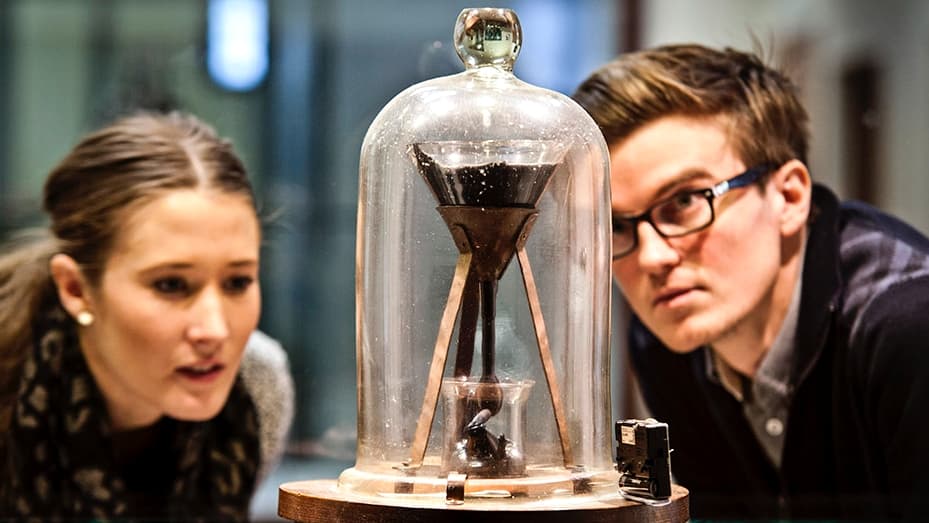
The 98-Year-Old Sticky Mess: Why Academia’s Longest Experiment Is a Monument to Obsolescence (And Who's Paying for It)
The world's longest-running lab experiment, the Pitch Drop, is nearing a century. But this slow science hides a dark secret about funding and relevance.

NASA’s February Sky Guide Is a Distraction: The Real Space Race is Happening in the Shadows
Forget Jupiter alignments. NASA’s February 2026 skywatching tips mask a deeper shift in space dominance and technological focus.

The Hidden Cost of 'Planned' Discovery: Why Science is Killing Serendipity (And Who Benefits)
Is modern, metric-driven science sacrificing accidental breakthroughs? The death of **scientific serendipity** impacts innovation and funding strategy.

DailyWorld Editorial
AI-Assisted, Human-Reviewed
Reviewed By
DailyWorld Editorial