The Silent Extinction: Why Jay Savage’s Dying Frogs Are a Warning Shot for Global Science Funding
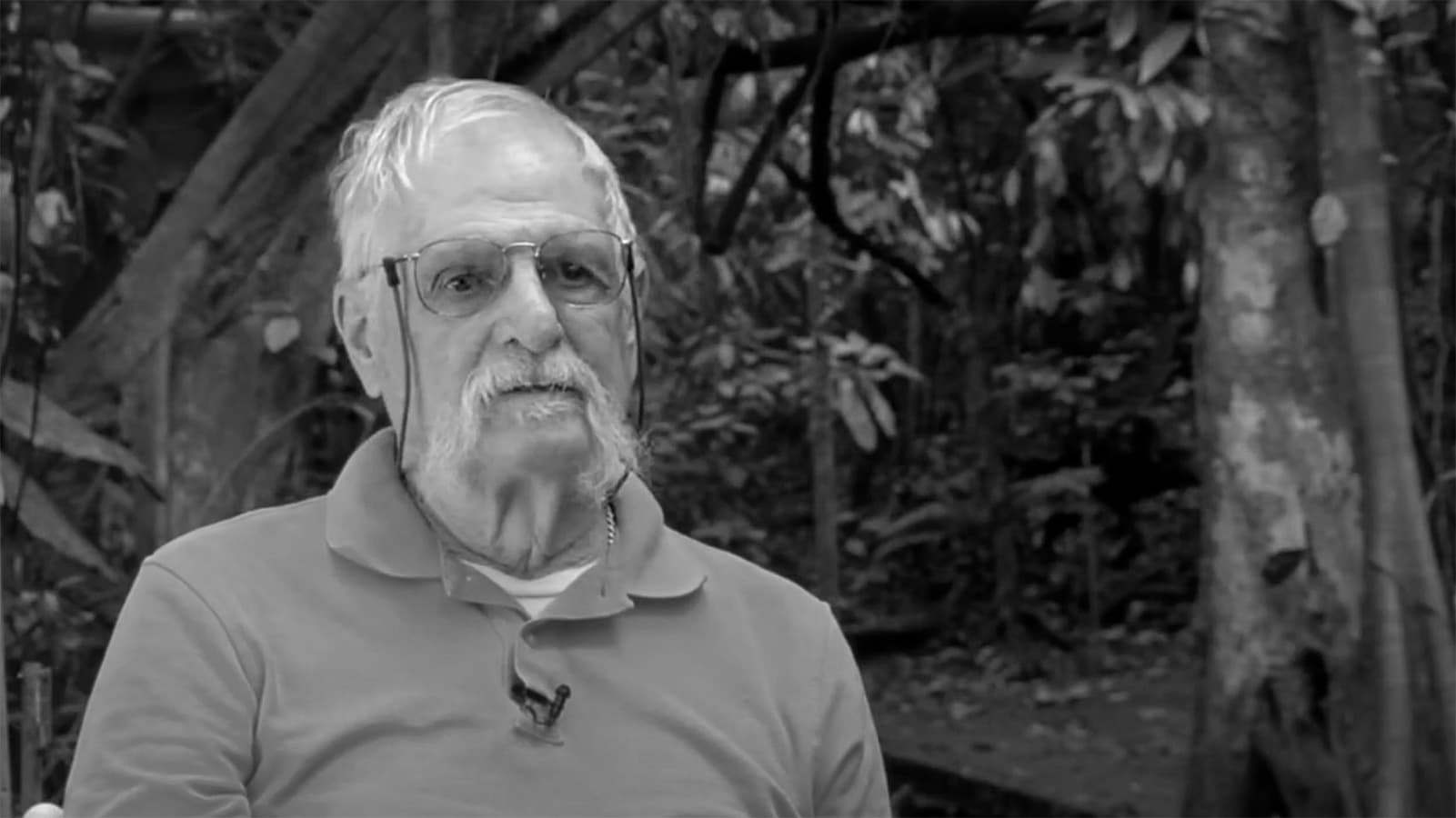
The disappearance of tropical amphibians tracked by Jay Savage isn't just ecology; it's a brutal indictment of failed global science investment.
Key Takeaways
- •The loss of scientists like Jay Savage signals the collapse of crucial, long-term monitoring infrastructure, not just species loss.
- •The retreat of rigorous ecological research benefits industries that profit from regulatory uncertainty and resource extraction.
- •Global science funding prioritizes short-term visibility over the sustained, foundational work necessary for environmental defense.
- •Expect a decade of reactive crisis management replacing proactive ecological understanding due to this knowledge vacuum.
The Last Warning: Why We Should Fear the Silence of the Frogs
The news about herpetologist Jay M. Savage, a foundational figure in tropical science, is framed as a nostalgic look back at a vanishing world of amphibians. But let’s be clear: this isn't just a story about disappearing frogs. This is a story about scientific infrastructure collapse and the catastrophic myopia of global research funding. Savage witnessed the decimation of species due to chytridiomycosis, a fungal plague. The unspoken truth? We knew this was coming, and we failed to fund the necessary defense.
The narrative often pivots to the tragedy of biodiversity loss. That’s soft news. The real story is the fragility of the knowledge base itself. Savage built institutions—the infrastructure of tropical science. When the frogs vanish, the funding dries up, the local expertise disperses, and the capacity to monitor the *next* biological crisis evaporates. We are not just losing species; we are losing the human apparatus designed to understand them. This erosion of ecological research capacity is the real ticking time bomb.
The Hidden Winners: Who Benefits from Scientific Retreat?
Who truly benefits when robust, independent tropical science retreats? The answer is simple: industries that thrive on regulatory ambiguity. When baseline ecological data disappears, it becomes infinitely easier for unsustainable extraction—mining, agribusiness, unchecked development—to proceed without rigorous, inconvenient oversight. Savage’s work, rooted in meticulous, long-term observation, is the ultimate check against short-term corporate profit motives. His success was a thorn in the side of exploitation; his legacy’s erosion is a boon for the bottom line of extractive economies.
The tragedy of the disappearing frogs is a mirror reflecting the failure of Western and international funding bodies to prioritize long-term, boots-on-the-ground tropical science over flashy, easily published projects. We celebrate the discoverer but starve the steward. This historical pattern ensures that when the next wave of environmental catastrophe hits—be it a novel zoonotic disease or climate-driven collapse—we will be functionally blind, relying on decades-old baseline data.
What Happens Next: The Prediction of Knowledge Gaps
We predict that within the next decade, the specific expertise Savage cultivated—the ability to rapidly identify, isolate, and understand emerging pathogens in Central American ecosystems—will be functionally unrecoverable. The specialized field stations, the trained local technicians, and the institutional memory related to specific microclimates will be gone. This vacuum will be filled not by more science, but by reactive, underfunded emergency responses when a crisis inevitably breaches the human-wildlife interface. The cost of rebuilding that scientific capacity will dwarf the cost of maintaining it today. Look to the rise of 'disaster science' replacing preventative ecology as the primary funding driver.
Savage’s work is a monument to what robust, dedicated scientific commitment can achieve. But monuments don't fight pandemics or halt deforestation. Sustained funding for foundational ecological research does. Until funding bodies recognize that field biology is national security infrastructure, we will keep reading elegies for species we could have saved, and the silence will only grow louder.
Gallery
Frequently Asked Questions
What is the primary threat that Jay Savage witnessed affecting amphibians?
Jay M. Savage primarily witnessed the devastating impact of the chytridiomycosis fungus, which caused massive population declines and extinctions among tropical frog species.
What is the 'unspoken truth' about the loss of tropical science infrastructure?
The unspoken truth is that when field stations and specialized expertise disappear due to lack of funding, the capacity to monitor and respond to future ecological threats (like new pandemics) is permanently eroded, benefiting unsustainable industries.
How does this relate to global science funding priorities?
It highlights a systemic failure in global science funding to support long-term, foundational ecological monitoring, instead favoring easily quantifiable or immediately 'marketable' research projects.
What is the predicted consequence of this scientific decline?
The prediction is an increasing reliance on expensive, reactive emergency responses to environmental crises because the foundational knowledge base required for prevention will have vanished.
Related News

The Exercise Lie: Why Your Daily Workout Is Failing You (And Who Benefits From The Confusion)
The latest science on fitness debunks decades of dogma. Discover the hidden agendas behind modern 'wellness' and the true path to longevity.
The Invisible Power Brokers: Why Biostatisticians, Not Doctors, Are Secretly Running Modern Medicine
The hidden truth about medical research isn't the drug, it's the math. Unmasking the biostatisticians driving clinical trial outcomes.

The 70% Cancer Survival Myth: Who Really Profits From This 'Milestone'?
The US celebrates 70% cancer survival, but this headline masks a brutal truth about access, cost, and the 'forgotten' diagnoses.

DailyWorld Editorial
AI-Assisted, Human-Reviewed
Reviewed By
DailyWorld Editorial