The Hidden Cost of 'Perfect' Blood Sugar: Why Tech Promises in Diabetes Are Actually Selling Anxiety
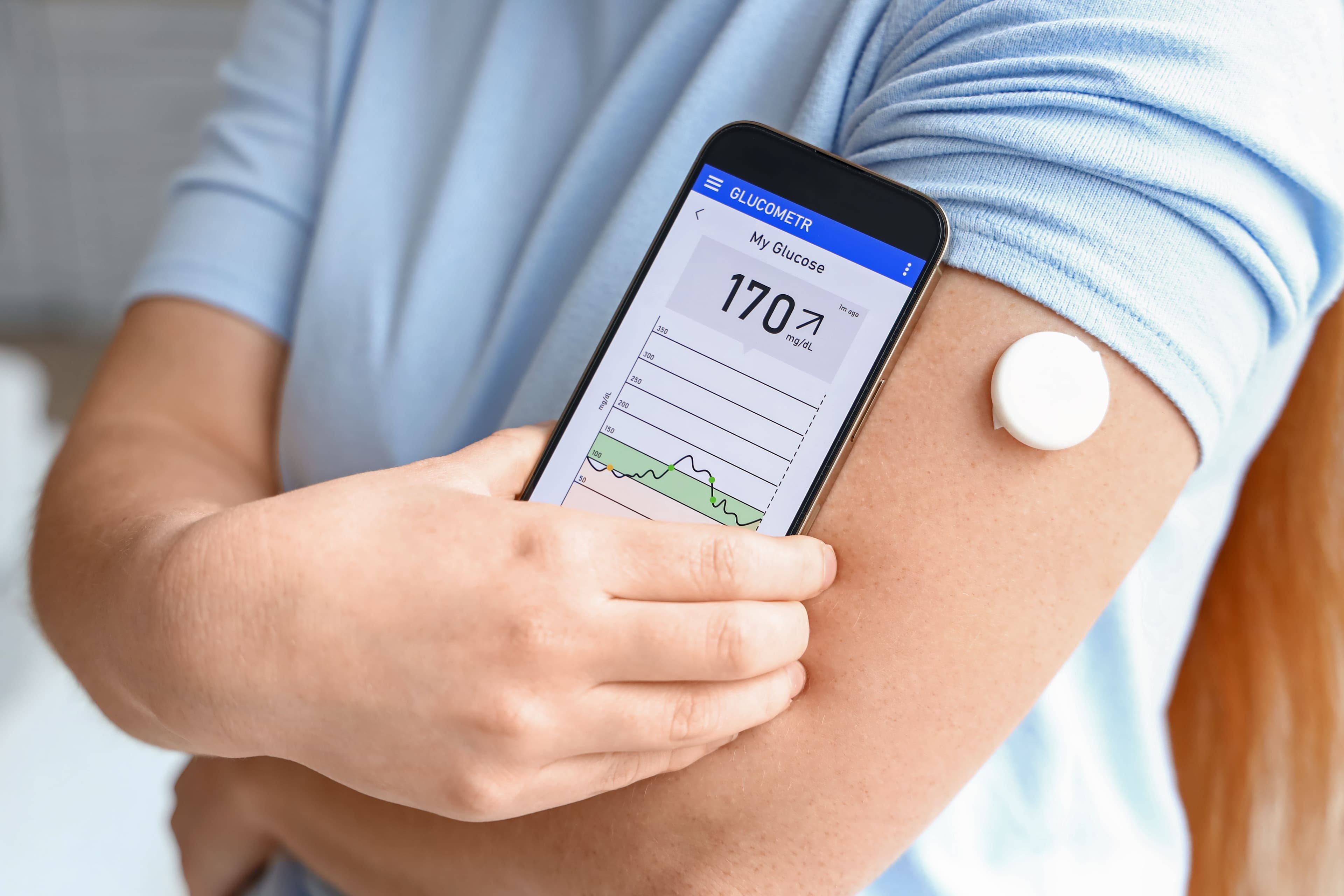
Insulin management technology is hailed as a savior, but the real story behind consistent benefits reveals a dependency trap.
Key Takeaways
- •The 'consistent benefits' of T1D tech are heavily reliant on patient compliance with rigorous diet tracking, not just the hardware itself.
- •The technology creates deep vendor lock-in, prioritizing recurring revenue over patient independence.
- •Future systems will integrate more biometric data, creating 'digital twins' that demand total physiological surveillance for near-perfect control.
- •The focus remains on management, structurally disincentivizing a search for a cure.
The latest pronouncements from the medical-industrial complex are clear: insulin management technology, specifically closed-loop systems paired with diligent dietary tracking, offers the most consistent benefits for Type 1 Diabetes (T1D) patients. On the surface, this sounds like unqualified progress. Who wouldn't want better Time in Range (TIR)? But strip away the glossy marketing, and you find a far more complicated, and perhaps cynical, reality.
The Unspoken Truth: Trading Disease for Data Slavery
The undeniable medical improvement comes at a steep, non-monetary cost: the complete outsourcing of intuition to an algorithm. When reports highlight the 'consistent benefits,' they are measuring algorithmic compliance, not genuine patient liberation. The true winner here isn't the patient achieving perfect metrics; it’s the data broker and the device manufacturer. Every successful glucose reading, every carb count logged, feeds a proprietary model, making the user increasingly locked into that specific ecosystem. This isn't just about better health; it's about creating the ultimate consumer dependency within chronic illness management.
The focus on Type 1 Diabetes technology often ignores the psychological toll. Patients are now managing not just a disease, but an ongoing, high-stakes performance review dictated by a smartphone screen. The slight edge in A1C is bought with constant vigilance, a phenomenon we can call 'algorithmic anxiety.' The technology is brilliant, yes, but it turns the body into a real-time, high-frequency trading floor.
Analysis: Why Diet Tracking is the Real Gatekeeper
The narrative often centers on the pump or the Continuous Glucose Monitor (CGM). This is a distraction. The real engine driving 'consistent benefits' is the rigorous, almost obsessive, requirement for accurate diet tracking. The best algorithm fails spectacularly with bad input. Therefore, the consistency lauded in studies is a direct reflection of the patient’s willingness to become a hyper-accurate food cartographer, logging every morsel—a burden that often falls disproportionately on caregivers and women in T1D families.
This dynamic ensures that the technology remains a tool for optimization rather than a genuine cure pathway. It keeps the focus squarely on management, effectively guaranteeing a perpetual market for these sophisticated devices. If a true, curative breakthrough occurred, the entire infrastructure built around iterative management—the software updates, the sensor replacements, the endless data streams—would collapse. This is the structural incentive keeping the status quo firmly in place. For more on the economics of chronic disease management, see analyses from established economic journals [link to a general economics/healthcare policy report, e.g., from a major university or think tank].
What Happens Next? The Rise of the 'Digital Twin'
My prediction is that the next phase of Type 1 Diabetes technology will pivot from 'closed-loop' to 'predictive digital twin.' Current systems react slightly behind the curve. The future will involve AI systems analyzing biometric data (heart rate variability, sleep quality, stress hormone proxies) *before* glucose levels shift significantly. This hyper-personalized, preemptive dosing will push TIR figures toward 95%+. However, this will also mean that patients must consent to near-total physiological surveillance. The trade-off for near-perfect control will be the surrender of true biological privacy. This is the final frontier of medical data capture.
We must question whether near-perfection, achieved through total technological submission, is truly superior to a life lived with slightly more autonomy and acceptance of natural variance. The data suggests otherwise, but the human cost remains largely unquantified [link to a reputable source on patient mental health in chronic illness, e.g., NIH or major medical journal].
Gallery


Frequently Asked Questions
What is Time in Range (TIR) in diabetes management?
Time in Range (TIR) is a key metric in modern diabetes care, representing the percentage of time a person's blood glucose level stays within a target range, typically 70 to 180 mg/dL. Higher TIR generally correlates with better long-term health outcomes.
Are closed-loop insulin systems the same as an artificial pancreas?
Closed-loop systems (often called hybrid artificial pancreas systems) automate insulin delivery based on CGM readings but still require the user to manually count and input carbohydrates. A true artificial pancreas would automate all aspects, including carb counting, which does not yet exist commercially.
Who benefits most financially from the current Type 1 Diabetes technology?
The primary financial beneficiaries are the manufacturers of Continuous Glucose Monitors (CGMs), insulin pumps, and the software platforms that integrate and analyze the resulting large datasets.
How does diet tracking impact the effectiveness of T1D technology?
Diet tracking is crucial because modern automated insulin delivery (AID) systems rely on accurate carbohydrate intake data to calculate and deliver appropriate basal and bolus insulin doses. Inaccurate logging leads directly to poor glucose control.
Related News

Oura's AI Just Entered Women's Health. Here's the Hidden Cost of 'Personalized' Period Tracking.
Oura Ring's new AI promises clinical women's health guidance. But is this data goldmine a genuine leap forward or just deeper data extraction?

Forget Therapy: Why the Pentagon Might Soon Prescribe Tetris for PTSD
The Cambridge study on Tetris for healthcare trauma is huge. Discover the hidden data wars and the future of digital mental health prescriptions.

The AI Healthcare Lie: Why Your 'Smarter' Doctor Will Cost You More (The Unspoken Truth)
AI promises efficiency in healthcare, but the hidden truth is that **AI in healthcare** delivery might just inflate costs, enriching gatekeepers, not patients.
