The Hidden Cost of Pasteur: Why Modern Medicine Still Worships a Flawed 19th-Century God
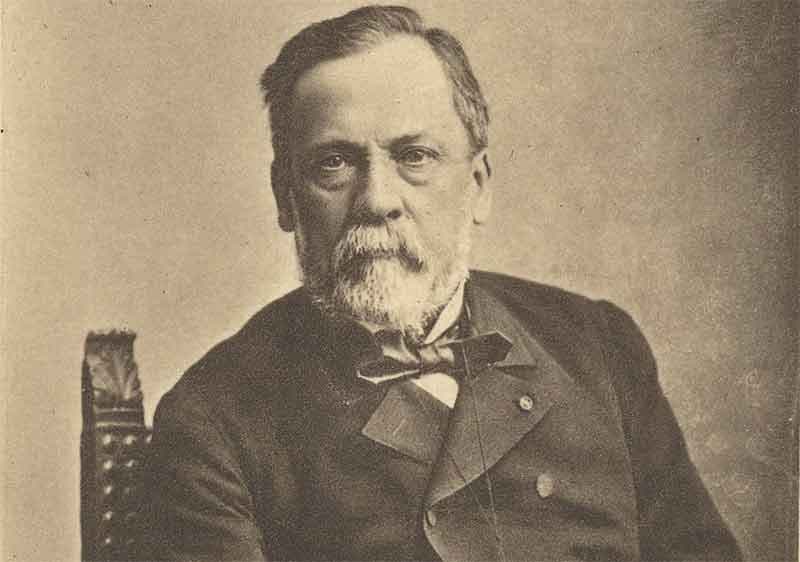
Louis Pasteur's legacy is untouchable, but the true impact of his germ theory on modern science and profit margins is the story we aren't being told.
Key Takeaways
- •Pasteur's success created an economic incentive favoring sterilization and patented cures over holistic health models.
- •The current reductionist 'one bug, one disease' approach ignores the critical role of the human microbiome.
- •The next major scientific shift will focus on ecological engineering of the body, not just pathogen eradication.
- •Future medicine will likely move away from extreme industrial sterilization towards balanced biological environments.
The Unspoken Truth: Pasteur, Profit, and the Perpetual War on Microbes
We celebrate **Louis Pasteur** as the savior of public health, the man who vanquished deadly diseases through his work on germ theory and pasteurization. It’s a comforting narrative: science conquers chaos. But this hagiography conveniently ignores the tectonic shift this created: the complete outsourcing of biological control to centralized, industrialized systems. The real winner in the Pasteur revolution wasn't just public health; it was standardization, industrial agriculture, and the pharmaceutical complex built on the premise that all microbes are enemies.
Pasteur’s triumph over spontaneous generation and his development of vaccines—revolutionary as they were—cemented a deeply reductionist view of biology. Instead of seeing the microbial world as a complex ecosystem, we were trained to see it as an invading army. This fear-based model, while effective for immediate crisis control (like controlling rabies or milk spoilage), has stifled deeper exploration into the microbiome, the very ecosystem within us that dictates health. This is the **hidden cost of germ theory**.
Analysis: The Empire of Sterility
The current obsession with sterility, driven by Pasteur’s framework, is an economic engine. Consider the $60 billion global probiotic market. It only exists because we’ve spent 150 years systematically eradicating the 'bad' microbes, only to realize we’ve also eradicated the necessary ones. Pasteur gave us the tools to kill pathogens, but the modern industry profits from the subsequent chaos. This is the ultimate irony in the study of **medical science**.
Furthermore, the focus on single-pathogen causation (the 'one bug, one disease' model) allows for the lucrative development of targeted, patented solutions—vaccines and antibiotics. While these saved millions, they also created a powerful incentive structure that discourages research into holistic, environmental, or lifestyle factors influencing disease. Why invest in dirt and diet when a patented chemical intervention yields higher returns?
Contrarian View: The Next Biological Paradigm Shift
If Pasteur defined the 19th and 20th centuries, the next revolution will be defined by its rejection. We are already seeing the cracks. The explosion of interest in the gut **microbiome research** is a direct, if reluctant, admission that the simplistic Pasteur model is incomplete. Future medical breakthroughs won't just be about *killing* the invaders; they will be about *cultivating* the internal garden. The companies that recognize this shift—moving from broad-spectrum warfare to precision ecological engineering—will dominate the next era of health.
Prediction: The Great 'De-Pasteurization'
Within the next two decades, expect major regulatory and cultural pushback against unnecessary sterilization in food production and daily life. We will see a return to locally adapted, traditional fermentation methods, not just as a hipster trend, but as a scientifically validated superior alternative to industrial pasteurization for certain applications. Governments, pressured by both public demand and emergent scientific consensus on ecological health, will be forced to fund microbiome-centric medicine, effectively sidelining the 'kill-all' approach that Pasteur championed. The war on germs will slowly morph into a treaty negotiation with our internal allies.
Louis Pasteur remains a giant, but giants cast long shadows. It is time for modern **medical science** to step out of that shadow and embrace the complexity he helped us ignore.
Gallery





Frequently Asked Questions
What is the main criticism leveled against Louis Pasteur's legacy today?
The main criticism is that while his work on vaccination and pasteurization was crucial, his germ theory framework led to an overemphasis on eliminating all microbes, neglecting the vital role of the beneficial microbiome in overall health.
How did Pasteur's work influence the pharmaceutical industry?
Pasteur's focus on single pathogens provided a clear target for drug development, fueling the creation of antibiotics and vaccines, which are highly profitable, patented interventions.
What is the 'hidden cost' of the germ theory model?
The hidden cost is the massive industrial complex built around sterility and the subsequent health issues arising from a depleted internal microbial ecosystem, leading to reliance on manufactured solutions.
What is replacing the simplistic germ theory in modern research?
Modern research is increasingly focused on the microbiome—the complex community of microorganisms living in and on the body—and how maintaining its balance is crucial for health, moving beyond just killing 'bad' germs.
Related News
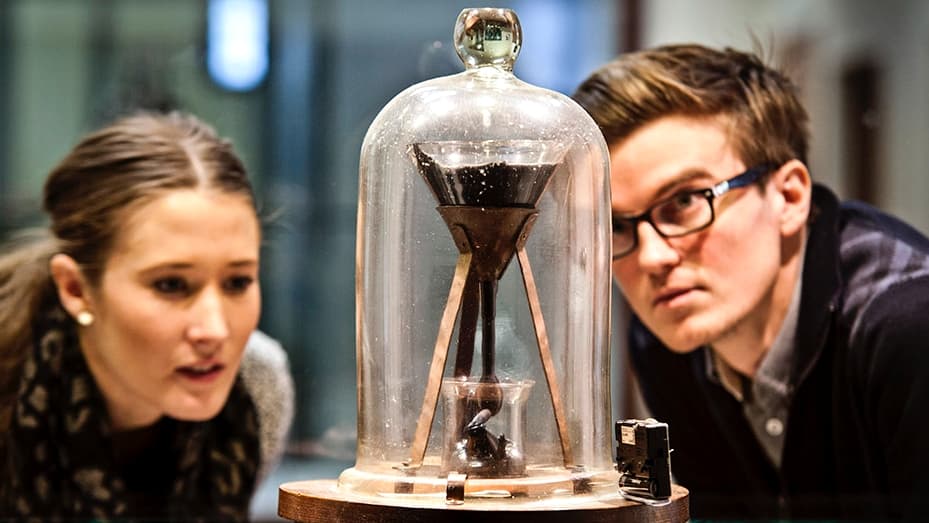
The 98-Year-Old Sticky Mess: Why Academia’s Longest Experiment Is a Monument to Obsolescence (And Who's Paying for It)
The world's longest-running lab experiment, the Pitch Drop, is nearing a century. But this slow science hides a dark secret about funding and relevance.

NASA’s February Sky Guide Is a Distraction: The Real Space Race is Happening in the Shadows
Forget Jupiter alignments. NASA’s February 2026 skywatching tips mask a deeper shift in space dominance and technological focus.

The Hidden Cost of 'Planned' Discovery: Why Science is Killing Serendipity (And Who Benefits)
Is modern, metric-driven science sacrificing accidental breakthroughs? The death of **scientific serendipity** impacts innovation and funding strategy.

DailyWorld Editorial
AI-Assisted, Human-Reviewed
Reviewed By
DailyWorld Editorial