The Digital Oil Grab: Why SLB's AI Play in Libya Signals the End of Traditional Energy Pacts
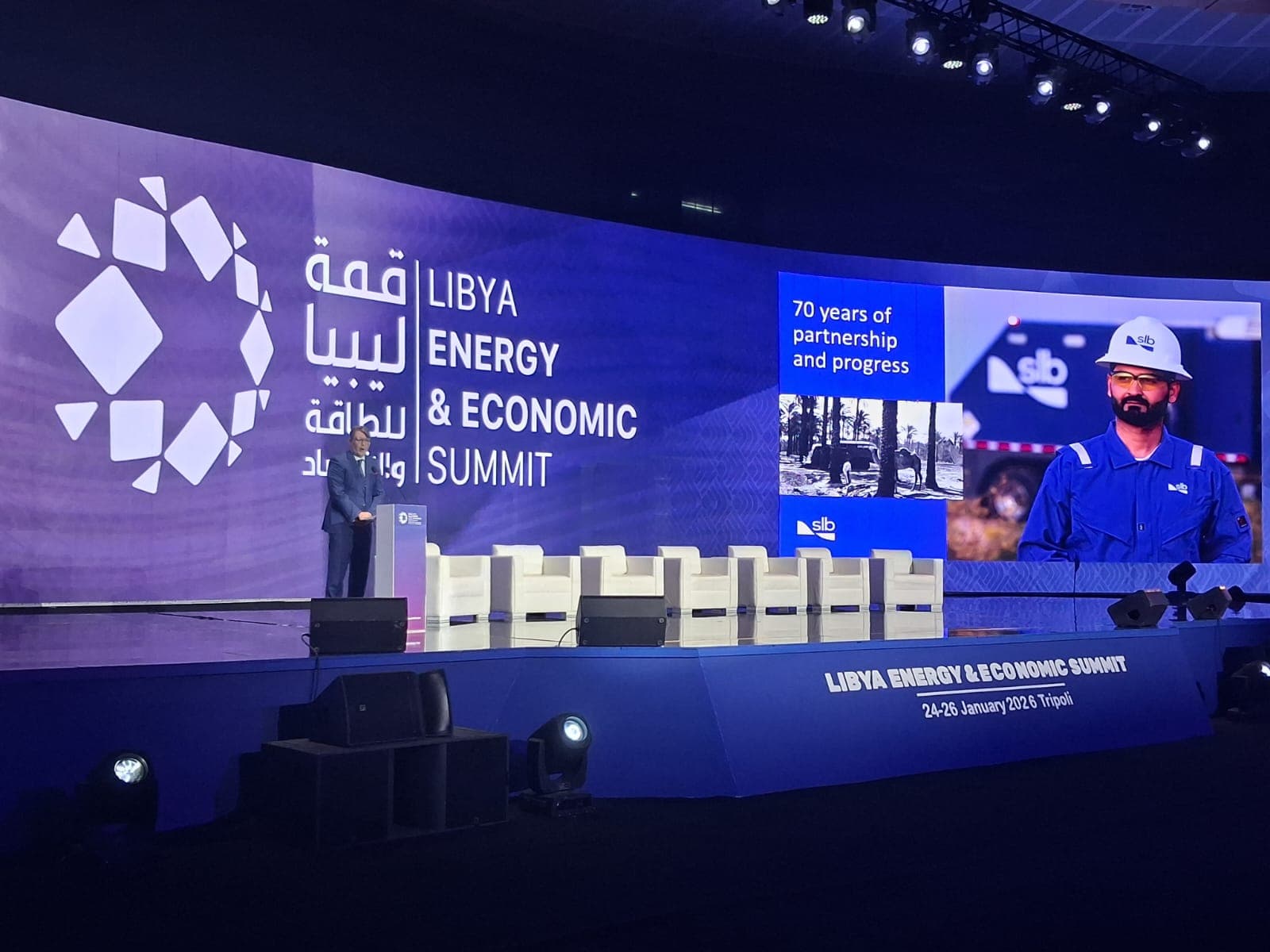
SLB's deployment of AI in Libya isn't about boosting production; it's about securing future data dominance in volatile energy markets.
Key Takeaways
- •SLB's AI deployment is fundamentally a data acquisition strategy, not just a production boost.
- •Technological indispensability is replacing physical control as the primary leverage point in global energy deals.
- •Libya risks long-term technological dependency by embedding its core production systems with a single vendor.
- •This model sets a precedent for future energy contracts favoring deep digital integration over traditional financial offers.
The Hook: Is Libya Trading Barrels for Bytes?
When Schlumberger (SLB) announces the deployment of **artificial intelligence** and digital technologies to help Libya hit a 1.6 million barrels per day (BPD) target, the headlines scream 'Modernization.' They tell you it’s about efficiency, about unlocking reserves. That’s the surface noise. The **unspoken truth** is far more fascinating: this is a high-stakes data acquisition play disguised as infrastructure support. In the volatile world of global energy, data is the new crude, and SLB is positioning itself as the indispensable gatekeeper of Libyan operational intelligence.
The Meat: Beyond the Productivity Promise
Libya’s National Oil Corporation (NOC) desperately needs stability and production increases to stabilize its fractured economy. Enter SLB, bringing predictive maintenance, reservoir modeling, and real-time asset monitoring—all powered by their digital ecosystem. But look closer at the terms. Who owns the resulting datasets? Who controls the proprietary algorithms refining the output? While the immediate win is increased output (a geopolitical necessity for the NOC), the long-term win belongs to SLB. Every optimized well provides proprietary performance data that feeds back into their global AI models, creating a virtuous, self-reinforcing loop of technological superiority. This isn't a service contract; it’s a **technology transfer** agreement where the intellectual property is the ultimate prize.
The Why It Matters: The New Geopolitics of Oil
For decades, energy security was about controlling physical choke points—pipelines, ports, tankers. Now, the critical vulnerability is operational and digital. SLB's deep integration means that any future disruption in Libyan production—be it political or technical—will require their specific digital key to unlock recovery. This shifts the balance of power subtly but significantly. It relegates traditional geopolitical leverage (like military presence or direct subsidy agreements) in favor of technological indispensability. We are watching the transition from the era of 'Oil Barons' to the era of 'Data Oligarchs' in the energy sector. For Libya, relying on this **digital transformation** means tethering their national revenue stream to a private, foreign entity’s software stack. This is a massive, underreported strategic risk.
What Happens Next? The Prediction
Expect this model to become the global standard for any nation seeking rapid, verifiable production increases in politically unstable regions. Following this success, SLB and its primary competitor, Halliburton, will aggressively pivot their sales pitches globally—not just offering equipment, but offering 'Digital Stability Packages.' The prediction is this: Within five years, the primary vetting criteria for awarding new exploration or maintenance contracts in OPEC+ nations will shift from financial guarantees to the depth of the bidder’s proprietary **AI solutions** and data integration capabilities. Nations that cannot afford or choose not to integrate these systems will be relegated to becoming 'low-tech' producers, accepting lower recovery rates and less favorable terms.
The Contrarian View: Who Really Loses?
The real loser here is the concept of national technological sovereignty in the energy sector. While the 1.6M BPD target seems like a win for Tripoli, it cements a dependency that future governments may find impossible to break without crippling production capacity. The cost of migrating off a deeply embedded, performance-critical AI platform is astronomical, effectively locking Libya into a long-term technological vassalage to the service provider.
Frequently Asked Questions
What is SLB's primary goal in deploying AI in Libya?
While the stated goal is achieving 1.6M BPD, the underlying strategic goal for SLB is securing proprietary operational data and establishing indispensable technological control over Libyan oilfield assets.
What is the 'Digital Oilfield' concept?
The Digital Oilfield refers to the integration of IoT sensors, cloud computing, and artificial intelligence across upstream, midstream, and downstream operations to optimize efficiency, reduce downtime, and enhance recovery rates.
How does this affect global oil supply?
If successful, this deployment could stabilize or increase Libyan output, potentially easing immediate global supply concerns, but it also concentrates risk within the digital infrastructure managed by foreign entities.
What is the risk of vendor lock-in for the National Oil Corporation (NOC)?
The risk is significant. Once an entire production ecosystem is optimized by a specific vendor's AI algorithms, switching providers becomes prohibitively expensive and risks immediate, severe production declines.
Related News

The $24 Billion Singapore Gambit: Why Micron's Factory Spells Doom for US Chip Dominance
Micron's massive Singapore investment signals a chilling reality for US tech manufacturing, despite soaring stock prices. The unspoken truth about global semiconductor strategy is laid bare.

The Silent War: Why Russia's New Cancer Tech Isn't About Curing Patients (Yet)
Russian scientists unveil a breakthrough cancer treatment technology. But the real story isn't the science; it's the geopolitical chessboard.

The Lithium Lie: Why Emerging Battery Tech Will Bankrupt Shipping While Saving No One
The maritime industry's rush toward novel battery solutions masks a brutal reality: the energy transition is an economic Trojan horse, not a green savior.

DailyWorld Editorial
AI-Assisted, Human-Reviewed
Reviewed By
DailyWorld Editorial