The Deep-Sea Gold Rush: Why 2025's 'Stunning Wildlife' Photos Are Actually a Warning

Forget pretty pictures. The 2025 deep-sea wildlife sightings signal a terrifying new era of resource exploitation.
Key Takeaways
- •Scientific documentation of deep-sea life is being used to justify future resource extraction.
- •The global rush for battery components is pushing mining interests ahead of environmental safeguards.
- •The biggest imminent danger is the ecological devastation caused by sediment plumes from pilot mining operations.
- •The International Seabed Authority (ISA) faces intense pressure to finalize mining codes favorable to industry.
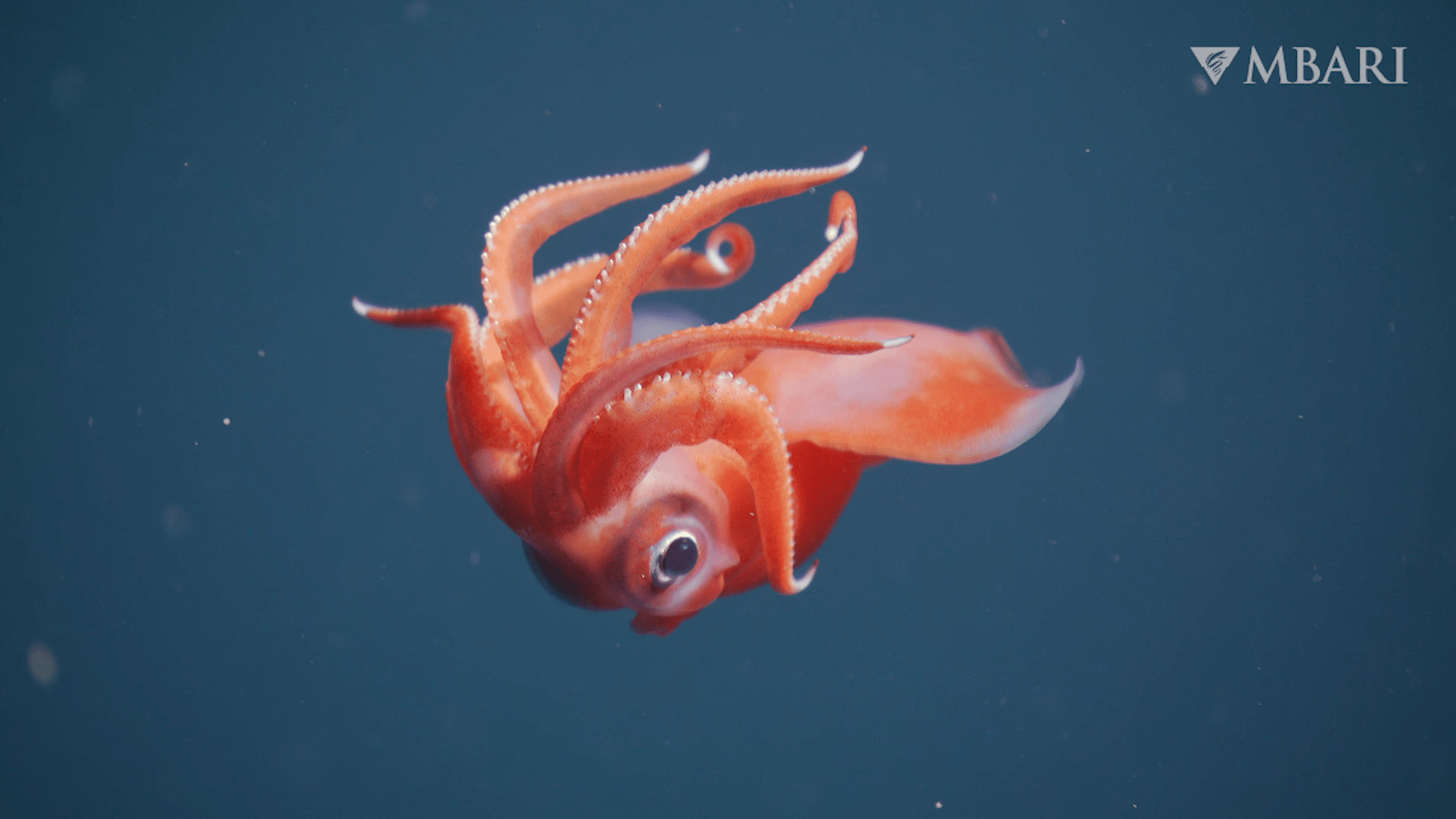
The recent wave of 'stunning deep-sea wildlife encounters' flooding science publications this year, framed as triumphs of discovery, are a carefully curated distraction. While Popular Science gushes over bioluminescent squid and newly cataloged octopods, the **deep-sea exploration** narrative is dangerously skewed. We aren't just looking at nature; we are staking claims. The real story behind the 2025 marine biology headlines isn't discovery—it’s preparation for the inevitable deep-sea mining boom.
The Unspoken Truth: Discovery as Reconnaissance
Every breathtaking photograph, every new species documented, serves a dual purpose. For marine biologists, it’s knowledge. For the consortiums backing these expeditions—often with murky private funding—it’s reconnaissance. The unspoken truth is that mapping these unique, fragile ecosystems is the necessary first step before industrial-scale extraction of polymetallic nodules and hydrothermal vent sulfides begins. These minerals—cobalt, nickel, manganese—are the lifeblood of the green energy transition, and the seabed is the last untapped frontier. The winners here are not the scientists; they are the venture capitalists betting on future seabed rights, anticipating the regulatory vacuum.
The current focus on **ocean biodiversity** is convenient. It allows industry players to appear responsible while cataloging the very assets they plan to liquidate. Who loses? The slow-moving, highly specialized organisms that have evolved over millennia in environments utterly untouched by industrial noise and dredging plumes. We are witnessing the documentation of species whose extinction will likely be finalized before the public even understands their existence.
Why This Matters: The Geopolitics of the Abyss
This isn't just an environmental issue; it's a geopolitical flashpoint. The International Seabed Authority (ISA) is struggling to finalize the 'Mining Code,' the very rulebook that will govern commercial extraction. The race to document 'unique' life is happening concurrently with the race to secure contracts. Nations and corporations that establish a strong baseline of 'scientific interest' are positioning themselves for preferential access, effectively weaponizing discovery. This mirrors the 19th-century land grabs, only this time the territory is three miles beneath the surface. Read the fine print on recent ISA filings; the language around 'environmental monitoring' is deliberately vague, favoring industry timelines over ecological preservation. This is about securing critical minerals without accountability, a classic case of regulatory capture.
The sheer scale of potential disruption to the global carbon cycle, given the role of deep-sea organisms in carbon sequestration, is another angle being deliberately downplayed. We are gambling the planet’s climate stability for batteries. The **deep sea** is not some distant, irrelevant frontier; it is a critical component of Earth's operating system.
What Happens Next? The Inevitable Dust Cloud
My prediction is that by Q3 2026, at least two large-scale pilot mining operations will commence, likely in the Clarion-Clipperton Zone, regardless of the ISA’s final code. The pressure from the electric vehicle supply chain is too immense. These initial operations will create vast plumes of sediment, potentially suffocating benthic communities for hundreds of miles. The resulting scientific outcry will be deafening, but too late. We will see the first documented mass extinction event caused directly by terrestrial energy demands impacting the abyssal plain. The photographs of 2025 will become relics of a lost world—a testament to what we saw just before we destroyed it. The only entity that truly wins in the short term is the handful of corporations holding the deep-sea exploration patents.

Key Takeaways (TL;DR)
- Deep-sea 'discoveries' are often fronts for mapping mineral deposits ahead of mining permits.
- The race for critical battery minerals is overriding effective international regulation at the ISA.
- The greatest threat is the massive sediment plumes from initial mining, impacting unexplored ecosystems.
- Expect commercial extraction to begin by late 2026, regardless of environmental concerns.
Gallery

Frequently Asked Questions
What is the primary mineral being targeted in deep-sea mining?
The primary targets are polymetallic nodules and crusts rich in cobalt, nickel, copper, and manganese, which are essential components for electric vehicle batteries and renewable energy storage.
What is the role of the International Seabed Authority (ISA)?
The ISA is the autonomous international body established under the UN Convention on the Law of the Sea (UNCLOS) responsible for regulating mineral-related activities in the international seabed area beyond national jurisdiction.
How does deep-sea mining affect carbon sequestration?
Disturbing the abyssal plains can release stored carbon back into the water column or atmosphere, potentially undermining the ocean's natural ability to absorb and sequester atmospheric CO2.
Are there any current commercial deep-sea mining operations?
As of now, no large-scale commercial operations are active; however, several companies hold exploration contracts, and the ISA is in the final stages of drafting the necessary regulatory codes for activation.
Related News

The Pentagon’s Secret Weapon Isn't AI—It’s Their Sci-Fi Writers: Unpacking the Military's New Obsession
The UK military is turning to science fiction to prep for future tech shockwaves. But the real story is who controls the narrative of tomorrow's warfare.
The Silent Cartel: Why 'Collaborative Science' Is the New Weapon in the Ocean Wars
Forget 'cooperation.' The push for collaborative science in marine conservation hides a brutal power play over future fishing rights and data monopolies.
The Hidden Agenda Behind The Stamp: Why Celebrating 100 Years of Marine Science Is Actually About Future Control
The new marine science postage stamps aren't just nostalgia; they signal a massive pivot in global resource strategy and data sovereignty.
