The Silent Cartel: Why 'Collaborative Science' Is the New Weapon in the Ocean Wars
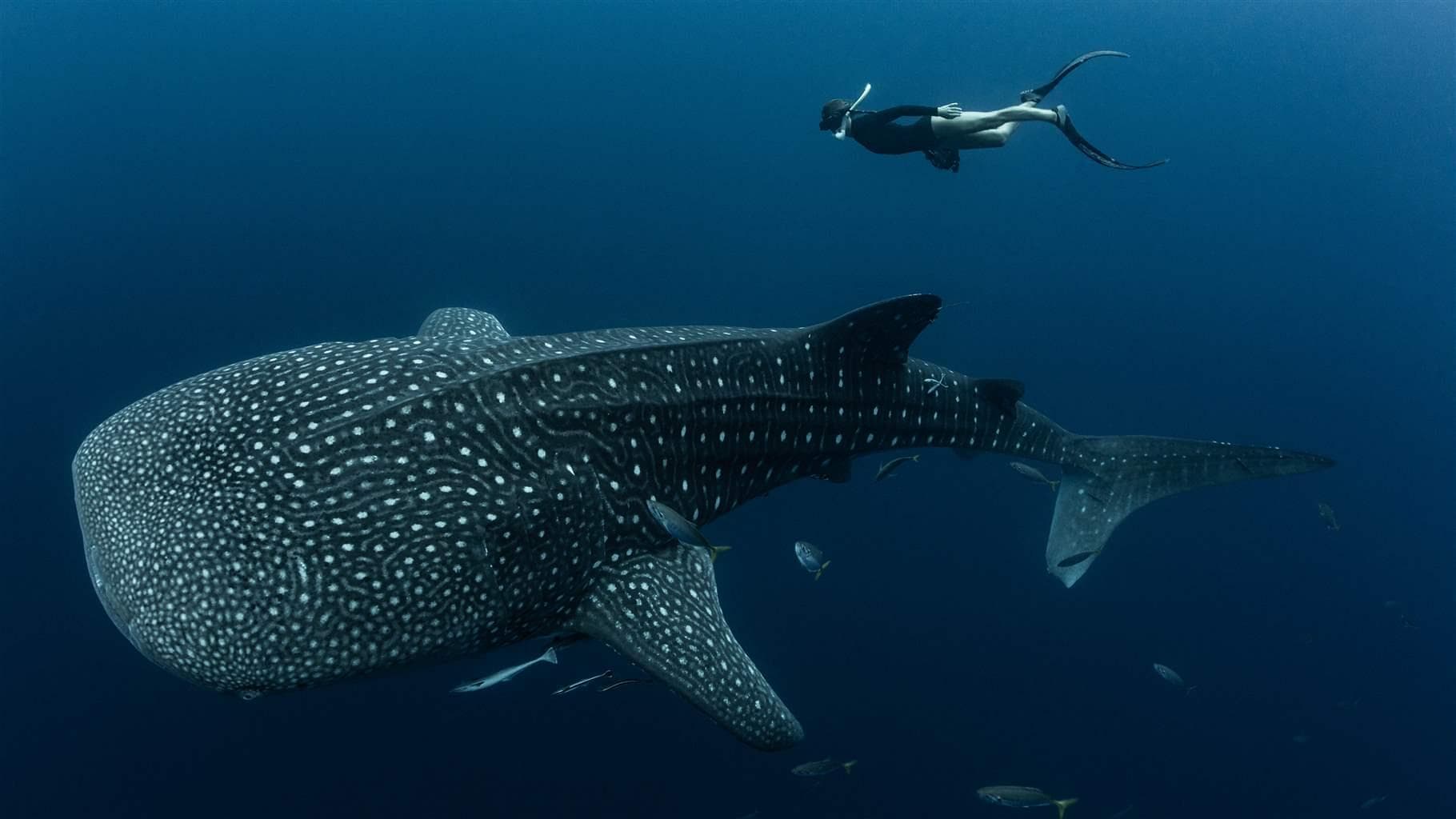
Forget 'cooperation.' The push for collaborative science in marine conservation hides a brutal power play over future fishing rights and data monopolies.
Key Takeaways
- •Collaborative science is shifting from pure research to a tool for geopolitical resource control.
- •The entity controlling the scientific data pipeline effectively dictates future fishing quotas and access rights.
- •This trend subtly erodes national sovereignty in favor of transnational scientific consensus bodies.
- •Expect major international friction as nations challenge data-driven regulatory mandates.
The narrative is polished: scientists, governments, and NGOs are finally holding hands to save highly mobile marine species. We are told that international marine conservation hinges on this new era of shared data and joint research efforts. But let’s cut through the feel-good press release from The Pew Charitable Trusts. This isn't altruism; it's the new geopolitical frontier for resource control.
The Unspoken Truth: Data is the New Blue Gold
When we discuss mobile marine species management—tunas, sharks, migratory whales—the challenge is transboundary. No single nation can manage a fish stock that traverses three Exclusive Economic Zones (EEZs). The solution offered? Collaborative science. The reality? Whoever controls the data pipeline controls the regulatory outcome.
The nations with the most advanced tracking technology, the deepest pockets for research vessels, and the strongest lobbying arms will inevitably shape the scientific consensus. This consensus then dictates fishing quotas, protected areas, and future resource allocation. The 'collaboration' often translates to smaller, less scientifically powerful nations having to accept the baseline data provided by larger players. This isn't partnership; it's epistemic colonization. The real winners aren't the sharks; they are the geopolitical entities that secure long-term access rights based on 'scientifically validated' models.
Deep Dive: The Erosion of National Sovereignty
Why does this matter beyond the academic journals? Because the framework of ocean governance is shifting beneath our feet. Traditional conservation focused on static boundaries. Mobile species demand dynamic, international agreements. When countries pool data for a 'shared stock assessment,' they are implicitly agreeing to cede a degree of sovereignty over their adjacent waters to the dictates of the resulting international body.
Consider the economic fallout. If collaborative science identifies a critical migratory corridor that runs through a developing nation’s prime fishing ground, that nation faces an impossible choice: reject the 'global consensus' and be branded an ecological rogue, or comply and watch their local fishing economy collapse. This dynamic sets up perfect friction. It’s a soft power mechanism that achieves what naval enforcement often cannot: the voluntary surrender of resource control in exchange for scientific validation.
What Happens Next? The Prediction
The current wave of collaborative science will lead to the creation of powerful, non-elected transnational scientific committees by 2030. These bodies, initially established to advise, will quickly evolve into de facto regulatory authorities for high-value migratory stocks. Expect a major international incident within five years where a powerful fishing nation publicly rejects a collaborative stock assessment, leading to immediate trade sanctions based on 'non-compliance with established scientific protocols.' This will expose the fundamental flaw: collaboration breeds dependency, and dependency breeds control. The next battleground in international relations won't be land; it will be the data rights associated with the open ocean.
This shift demands that developing nations invest heavily not just in conservation, but in their own independent, verifiable mobile marine species management research capacity, or face becoming permanent data vassals to the scientific superpowers.
Gallery

Frequently Asked Questions
What is the primary challenge in managing highly mobile marine species?
The primary challenge is that these species—like tuna or whales—migrate across multiple national jurisdictions (Exclusive Economic Zones) and the high seas, requiring coordination that traditional national management structures cannot provide alone.
How does 'collaborative science' differ from traditional conservation research?
Traditional research often focuses on localized studies. Collaborative science mandates shared data collection and standardized methodologies across borders, aiming for a unified scientific baseline, which inevitably centralizes influence among the leading scientific contributors.
Which organizations are pushing this collaborative model hardest?
Major international NGOs, like The Pew Charitable Trusts, and influential scientific bodies associated with the UN and regional fishery management organizations (RFMOs) are driving the adoption of these shared scientific frameworks.
What is the risk of relying too heavily on international scientific assessments?
The risk is the loss of local control. If a nation’s fishing economy depends on a specific migratory path, they become vulnerable to international scientific findings that might mandate severe restrictions, potentially crippling local industries based on externally validated data.
Related News

The Pentagon’s Secret Weapon Isn't AI—It’s Their Sci-Fi Writers: Unpacking the Military's New Obsession
The UK military is turning to science fiction to prep for future tech shockwaves. But the real story is who controls the narrative of tomorrow's warfare.
The Hidden Agenda Behind The Stamp: Why Celebrating 100 Years of Marine Science Is Actually About Future Control
The new marine science postage stamps aren't just nostalgia; they signal a massive pivot in global resource strategy and data sovereignty.

41 Years of Antarctic Science: The Hidden Geopolitical Power Play Behind the BCAA
The BCAA's 41-year run in Antarctica isn't just about science; it's a masterclass in low-profile geopolitical endurance. We decode the real stakes.
