The Dairy Deception: Why Your Cheese Habit Might Be Hiding a Cognitive Crisis

Is cheese a brain superfood? Forget the headlines. We dissect the flawed science behind the dairy-dementia link, revealing who profits from this nutritional myth.
Key Takeaways
- •Current positive findings on cheese and cognition are largely observational and subject to significant confounding variables.
- •High saturated fat and sodium content in many cheeses pose systemic health risks that counteract potential brain benefits.
- •The 'cheese for brain health' narrative benefits powerful food industry lobbies by distracting from broader dietary advice.
- •Future research will focus on isolating specific bioactive compounds rather than endorsing cheese as a whole food category.
The Hook: A Delicious Lie We Want to Believe
We’ve all seen the headlines—the cozy narrative suggesting that your daily wedge of Parmesan or block of cheddar is secretly fortifying your gray matter against the ravages of time. The idea that a staple of the Western diet, a source of comfort and flavor, could also be a cognitive booster is intoxicating. But before you double down on your Gouda habit in the name of brain health, you need to understand the murky science and the powerful industry interests backing this claim. This isn't just about diet; it's about cognitive longevity and who controls the narrative around aging.
The Meat: Analyzing the 'Cheese Protects Brain' Study
Recent studies, often highlighted by food journalism, point to correlations between moderate cheese consumption and lower rates of cognitive decline. They trumpet compounds like Vitamin B12, calcium, and specific fatty acids found in dairy as neuroprotective agents. The data suggests that certain fermented cheeses might promote beneficial gut microbiota, which is increasingly linked to the gut-brain axis. However, this coverage consistently glosses over the critical flaws in the methodology and the massive confounding variables at play. Are people who eat cheese regularly also engaging in other healthy lifestyle choices? Are they wealthier, with better access to healthcare? The observational data is weak.
The real story here is the nutritional science complexity versus simple media consumption. While dairy contains beneficial elements, it is also saturated with saturated fats and sodium—two components frequently implicated in cardiovascular issues, which are themselves major risk factors for dementia. The argument that cheese is a net positive for the brain often ignores the systemic risks associated with high intake.
The Why It Matters: The Unspoken Truth of Food Lobbying
Who truly wins when the public is told cheese is a brain tonic? The dairy and processed food lobbies, of course. This reporting serves as a convenient shield against broader, more rigorous dietary recommendations that might suggest reducing overall saturated fat or highly processed foods. The contrarian view is that this focus on a single, indulgent food is a dangerous distraction. We are being told to focus on one 'magic bullet' ingredient while ignoring the overwhelming evidence favoring plant-forward diets rich in antioxidants and fiber, which have far more robust evidence supporting dementia prevention. This narrative allows consumers to feel virtuous about an otherwise indulgent habit.
Furthermore, consider the heterogeneity of cheese. A hard, aged Parmesan has a wildly different nutritional profile than a highly processed cheese slice. Lumping them together under the umbrella of 'cheese' masks these crucial differences, serving only to simplify a complex reality for mass consumption. The science is not settled; it is being selectively amplified.
Where Do We Go From Here? Prediction
The next phase in this debate will pivot away from simple correlation toward precision nutrition. Expect future studies to heavily segment cheese types based on fermentation duration, sodium content, and specific bioactive peptides released during digestion. My prediction: Within five years, the public health advice will shift from 'eat cheese for your brain' to highly specific guidance such as, 'Consume small quantities of low-sodium, aged artisanal cheeses, but only as a vehicle for fiber-rich foods.' The blanket endorsement will evaporate under the scrutiny of personalized medicine, exposing the current generalized findings as largely journalistic oversimplification. We will find that what protects the brain isn't cheese itself, but the specific, rare micronutrients within it, which can be obtained more safely elsewhere.
Gallery


Frequently Asked Questions
What is the primary criticism of studies linking cheese consumption to better brain health?
The main criticism is that these studies are observational, meaning they show correlation but not causation. People who eat cheese might also have healthier lifestyles overall, making it difficult to isolate cheese as the sole protective factor.
Are all types of cheese equally good or bad for cognitive health?
No. Nutritional profiles vary drastically. Hard, aged cheeses differ significantly from highly processed cheese products in terms of sodium, fat, and nutrient density. The blanket term 'cheese' masks these vital differences.
Which dietary patterns are most strongly supported for long-term dementia prevention?
Diets emphasizing whole, unprocessed foods, such as the Mediterranean diet or MIND diet—rich in vegetables, fish, nuts, and olive oil—have the most robust scientific backing for supporting long-term brain health.
What is the gut-brain axis connection regarding cheese?
Some fermented cheeses may positively influence gut bacteria composition. Since the gut microbiome communicates directly with the brain, a healthier gut environment *could* indirectly support cognitive function, though this area requires much more direct human research.
Related News
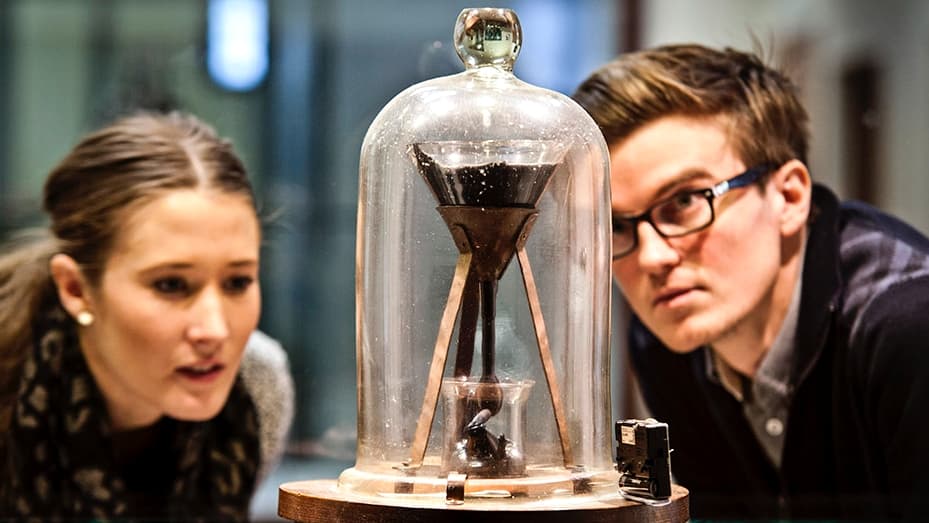
The 98-Year-Old Sticky Mess: Why Academia’s Longest Experiment Is a Monument to Obsolescence (And Who's Paying for It)
The world's longest-running lab experiment, the Pitch Drop, is nearing a century. But this slow science hides a dark secret about funding and relevance.

NASA’s February Sky Guide Is a Distraction: The Real Space Race is Happening in the Shadows
Forget Jupiter alignments. NASA’s February 2026 skywatching tips mask a deeper shift in space dominance and technological focus.

The Hidden Cost of 'Planned' Discovery: Why Science is Killing Serendipity (And Who Benefits)
Is modern, metric-driven science sacrificing accidental breakthroughs? The death of **scientific serendipity** impacts innovation and funding strategy.

DailyWorld Editorial
AI-Assisted, Human-Reviewed
Reviewed By
DailyWorld Editorial