The Biological Lie: Why Your Brain *Demands* Dessert Even When You're Full
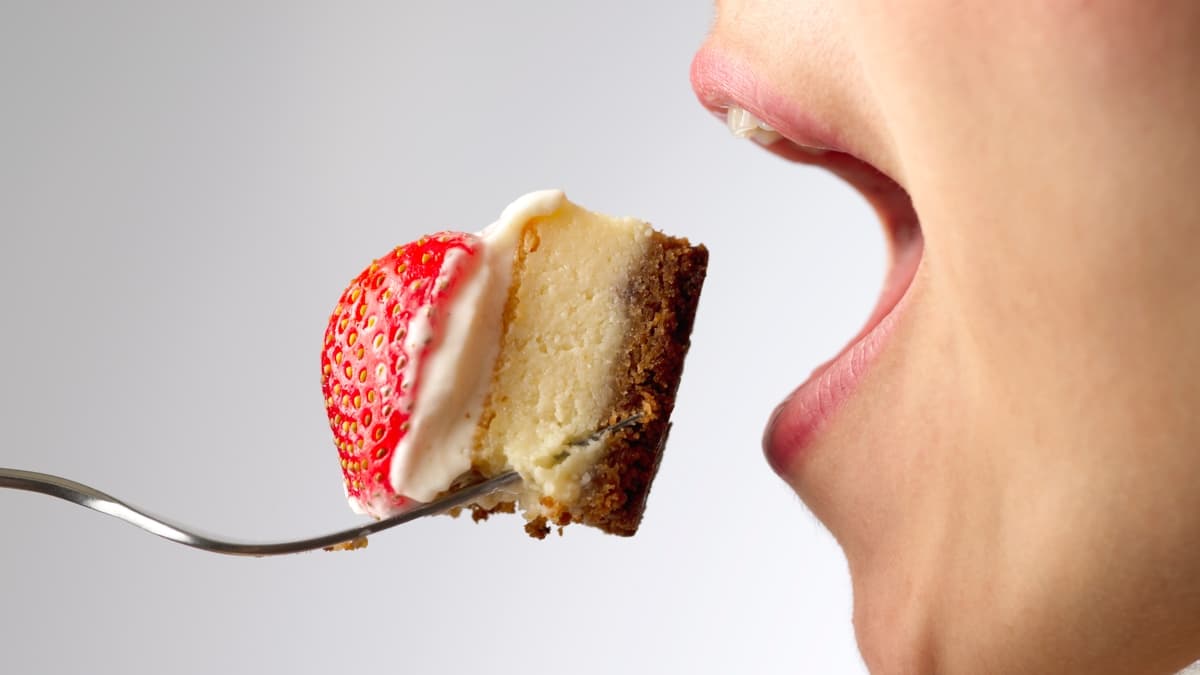
Forget willpower. New science reveals the true, evolutionary reason you always have room for dessert, exposing the hidden drivers of modern overconsumption.
Key Takeaways
- •The 'dessert stomach' is a biological function driven by dopamine reward circuits, not physical space.
- •Modern food systems are designed to maximize this hedonic response, making overconsumption inevitable.
- •Future solutions will require technological intervention or strict regulatory oversight of food formulation.
- •Traditional dieting fails because it fights hardwired evolutionary programming.
The Biological Lie: Why Your Brain *Demands* Dessert Even When You're Full
We've all been there. Stuffed past the point of comfort, yet the sight of crème brûlée or a slice of chocolate cake triggers a second, separate hunger. This isn't a moral failing; it's **evolutionary programming**. The prevailing narrative suggests that **food cravings** are a matter of poor discipline. We are wrong. The real story, buried in neurobiology, reveals that the human brain is wired to prioritize energy-dense, hyper-palatable foods—a survival mechanism now weaponized by the modern food industry. The science of **hedonic hunger** explains why your stomach capacity is irrelevant when your dopamine receptors fire up for that final sweet hit.The Unspoken Truth: The Hedonic Hunger Trap
The core issue isn't caloric need; it's **hedonic response**. Traditional hunger (homeostatic hunger) signals the need for energy replenishment. Hedonic hunger, however, is the desire to eat for pleasure, independent of energy deficit. Scientists are now mapping the distinct neural pathways activated by sugar and fat, pathways that are far more potent and immediate than those triggered by balanced meals. Who really wins here? Not the consumer. The food manufacturers win, having perfected formulations that bypass satiety signals. They exploit our ancient programming for scarce, high-calorie resources. The loser is public health, as this inherent drive fuels the escalating obesity epidemic—a direct consequence of a mismatch between our Stone Age biology and our 21st-century supermarket.Deep Analysis: Why Willpower Fails Against Ancient Code
Analyzing this through a historical lens, early humans who prioritized finding and consuming concentrated sugar (like ripe fruit or honey) had a survival advantage. That impulse is now constantly triggered. When you eat a full meal, your body releases satiety hormones, but the immediate, intense reward cascade from refined sugar often overrides these slower signals. This is why diet culture, which relies almost entirely on brute-force willpower, is doomed to fail. You cannot out-will your own **food cravings** when they are hardwired into your limbic system. This is a systemic problem, not an individual one. The very structure of our food environment dictates failure for the undisciplined, and even for the disciplined on a bad day. Look at the historical parallels: any population suddenly exposed to abundant, cheap energy sources experiences a corresponding health crisis.What Happens Next? The Personalized Sweet Spot
Where do we go from here? The future of dietary science won't be about restriction; it will be about **neurological manipulation**. Expect a massive pivot toward personalized nutritional science that maps individual hedonic triggers. We will see the rise of 'smart' foods engineered not just for taste, but for a gentler dopamine curve—delivering satisfaction without the addictive spike. Furthermore, expect regulatory bodies to finally address the hyper-palatability crisis, perhaps through taxation or strict formulation standards, similar to how tobacco is regulated. The current hands-off approach is simply unsustainable. For more on the neuroscience of eating, see established research from institutions like the National Institutes of Health [https://www.nih.gov/].The Takeaway: The Science of Second Helpings
* Dessert desire is driven by **hedonic hunger**, not caloric need. * Food formulation exploits ancient survival instincts for high-energy rewards. * Willpower alone is an inadequate defense against sophisticated food engineering. * The future lies in personalized neuro-nutrition and stricter regulation of hyper-palatable ingredients.Gallery



Frequently Asked Questions
What is the difference between homeostatic hunger and hedonic hunger?
Homeostatic hunger drives you to eat to maintain energy balance (you feel weak or empty). Hedonic hunger drives you to eat purely for pleasure or reward, often leading to overconsumption even when energy needs are met.
Why do I crave sugar specifically after a large meal?
Refined sugars trigger an immediate, powerful release of dopamine in the brain's reward centers. This immediate pleasure signal often overrides the slower-acting satiety hormones released after consuming a full, balanced meal.
Can I train my brain to stop having dessert cravings?
While difficult, consistent exposure to less-processed foods can help recalibrate your reward thresholds over time. However, the underlying biological wiring remains, meaning total elimination of the impulse is unlikely without environmental changes.
Related News

The Exercise Lie: Why Your Daily Workout Is Failing You (And Who Benefits From The Confusion)
The latest science on fitness debunks decades of dogma. Discover the hidden agendas behind modern 'wellness' and the true path to longevity.
The Invisible Power Brokers: Why Biostatisticians, Not Doctors, Are Secretly Running Modern Medicine
The hidden truth about medical research isn't the drug, it's the math. Unmasking the biostatisticians driving clinical trial outcomes.

The 70% Cancer Survival Myth: Who Really Profits From This 'Milestone'?
The US celebrates 70% cancer survival, but this headline masks a brutal truth about access, cost, and the 'forgotten' diagnoses.

DailyWorld Editorial
AI-Assisted, Human-Reviewed
Reviewed By
DailyWorld Editorial