The Billion-Dollar Lie: Why Big Supplement Companies Don't Want You Eating Blackcurrants
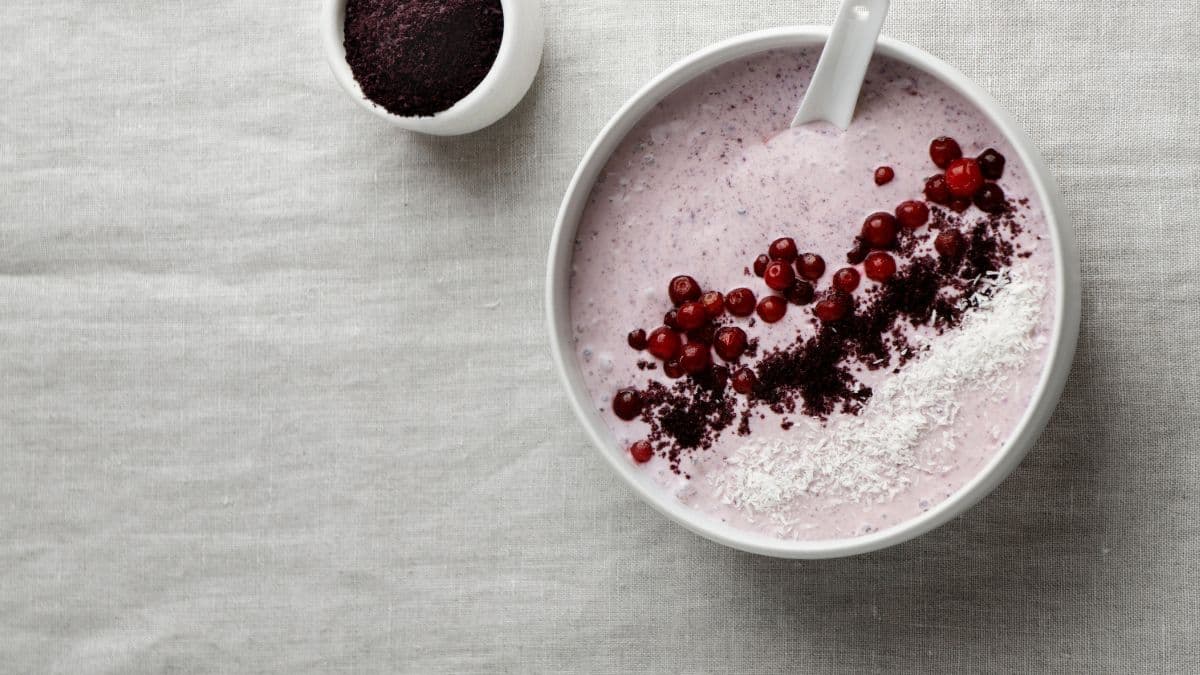
Forget the hype. The real science of blackcurrant extract and athletic performance hides a darker truth about market control.
Key Takeaways
- •The focus on isolated blackcurrant extract serves the supplement industry's goal of creating high-margin, proprietary products.
- •Whole fruit consumption often provides superior, synergistic benefits compared to single-compound extracts.
- •Expect aggressive marketing wars between brands claiming superior extraction methodologies.
- •The true long-term winner is the industrial complex extracting the compounds, not the consumer or the farmer.
The Billion-Dollar Lie: Why Big Supplement Companies Don't Want You Eating Blackcurrants
The narrative is deceptively simple: eat blackcurrants, reduce exercise fatigue, boost performance. Medical journals are currently buzzing about the potent anthocyanins found in these dark berries, suggesting they are a natural powerhouse for endurance athletes seeking a legal edge. But as investigative journalists, we must ask: Who benefits from this carefully curated narrative around muscle performance enhancement? The answer isn't just improved VO2 max; it’s about market capture.
The core finding, often glossed over in press releases, is that standardized, highly concentrated blackcurrant extracts—not the whole fruit—show the most dramatic effects. This is the hidden agenda. While the whole fruit is accessible and cheap, the real money lies in isolating, patenting, and selling overpriced capsules. We are witnessing the pharmaceuticalization of a common berry. This isn't about public health; it's about creating a new, branded 'super-ingredient' to replace the next failing trend in the saturated sports nutrition market.
The Contrarian View: Why Whole Foods Always Win
The supplement industry thrives on complexity and scarcity. By emphasizing the 'science' of specific, isolated compounds, they distract consumers from the fundamental truth: dietary diversity is superior. Blackcurrant extract might offer acute benefits, but relying on a single, expensive pill ignores the synergistic effect of the entire food matrix. Consider the history of Vitamin C research; once isolated, it became a billion-dollar industry, overshadowing the balanced approach of citrus fruits. This is the exact playbook being deployed now.
Furthermore, the sustainability angle is ignored. Growing and processing these extracts require significant industrial infrastructure, often leading to questionable sourcing practices. When you buy the extract, you are funding a complex supply chain that benefits large agro-chemical corporations far more than local farmers growing the actual fruit. The true winners are the extract manufacturers, not the athlete seeking genuine, holistic recovery.
Where Do We Go From Here? The Extraction Wars
Expect a massive pivot in marketing over the next 18 months. We predict a fragmentation of the market. First, you will see 'Blackcurrant Wars,' where various companies fight over proprietary extraction methods, claiming their specific formulation (e.g., 'Curranol-X' vs. 'AnthocyMax') is superior. Second, mainstream sports organizations, eager to appear health-conscious without disrupting endorsement deals, will begin cautiously recommending these isolated extracts, lending them false legitimacy. The ultimate irony will be when the price of raw blackcurrants actually drops because the focus has shifted entirely to the high-margin processed version.
To truly leverage the benefits of this powerful fruit, bypass the middleman. Buy frozen blackcurrants—they retain nearly all their nutritional value—and incorporate them into your diet alongside other polyphenol-rich foods like blueberries and dark cherries. Don't pay a premium for what nature already provides. For a deeper look into the history of food isolation, see the analysis on the standardization of essential nutrients provided by the NIH: NIH Public Access Journals.
Frequently Asked Questions
Are blackcurrants a proven performance enhancer for athletes right now, or is it still theoretical science for exercise fatigue reduction in blackcurrants benefits endurance athletes with reduced muscle soreness and improved recovery times based on current studies, particularly concerning anthocyanin content and VO2 max improvements. The evidence points towards significant benefits when concentrated extracts are used, though whole-food consumption remains a vital component of a balanced diet for sustained performance and general health, making them a legitimate, though often over-marketed, tool for serious competitors seeking a slight competitive edge over placebo groups. The key takeaway is dosage and standardization are critical in the current research landscape, which is why the supplement industry is focusing heavily on this ingredient as a novel ergogenic aid. The science is strong enough to warrant attention, but the delivery mechanism is where the industry profits lie. Can I just eat frozen blackcurrants instead of taking a pill for muscle performance benefits for athletes seeking reduced exercise fatigue and improved endurance? Yes, consuming whole frozen blackcurrants is an excellent alternative. While the concentration of active compounds (anthocyanins) will be lower than in a standardized extract, whole foods offer a wider array of beneficial micronutrients and fiber that support overall health and may provide longer-term, sustainable benefits against chronic fatigue. For acute, measurable performance boosts in competition settings, extracts might show faster results, but for regular training and recovery, integrating the whole fruit into your diet is highly recommended to avoid the high cost and potential regulatory ambiguity of concentrated supplements. How does the science of blackcurrants compare to beetroot juice for athletic performance, a popular ergogenic aid? Both blackcurrants and beetroot juice leverage nitrates/nitrites (in beets) and anthocyanins (in blackcurrants) to improve blood flow and oxygen utilization, thereby combating exercise fatigue. Beetroot juice is heavily researched for its acute effect on increasing nitric oxide, which directly aids oxygen efficiency during intense activity. Blackcurrant's benefit is often linked more closely to reducing oxidative stress post-exercise and improving recovery through its powerful antioxidant profile. While both are effective, they likely work through slightly different physiological pathways, making them potentially complementary rather than wholly interchangeable for muscle performance. For more on nitric oxide boosters, review established sports science literature from organizations like the American College of Sports Medicine (ACSM). What is the 'hidden agenda' mentioned regarding the blackcurrant supplement market? The hidden agenda is the transformation of a common, low-cost food source into a patented, high-value extract. By emphasizing complex chemical isolation (the 'science'), manufacturers can charge premium prices for capsules that replicate, but do not surpass, the benefits of eating the whole fruit. This allows them to capture the lucrative performance enhancement market segment, diverting attention and capital away from accessible, whole-food nutrition strategies. This strategy mimics historical market shifts seen with isolated vitamins and minerals.
What is the 'hidden agenda' mentioned regarding the blackcurrant supplement market? The hidden agenda is the transformation of a common, low-cost food source into a patented, high-value extract. By emphasizing complex chemical isolation (the 'science'), manufacturers can charge premium prices for capsules that replicate, but do not surpass, the benefits of eating the whole fruit. This allows them to capture the lucrative performance enhancement market segment, diverting attention and capital away from accessible, whole-food nutrition strategies. This strategy mimics historical market shifts seen with isolated vitamins and minerals. Can I just eat frozen blackcurrants instead of taking a pill for muscle performance benefits for athletes seeking reduced exercise fatigue and improved endurance? Yes, consuming whole frozen blackcurrants is an excellent alternative. While the concentration of active compounds (anthocyanins) will be lower than in a standardized extract, whole foods offer a wider array of beneficial micronutrients and fiber that support overall health and may provide longer-term, sustainable benefits against chronic fatigue. For acute, measurable performance boosts in competition settings, extracts might show faster results, but for regular training and recovery, integrating the whole fruit into your diet is highly recommended to avoid the high cost and potential regulatory ambiguity of concentrated supplements. How does the science of blackcurrants compare to beetroot juice for athletic performance, a popular ergogenic aid? Both blackcurrants and beetroot juice leverage nitrates/nitrites (in beets) and anthocyanins (in blackcurrants) to improve blood flow and oxygen utilization, thereby combating exercise fatigue. Beetroot juice is heavily researched for its acute effect on increasing nitric oxide, which directly aids oxygen efficiency during intense activity. Blackcurrant's benefit is often linked more closely to reducing oxidative stress post-exercise and improving recovery through its powerful antioxidant profile. While both are effective, they likely work through slightly different physiological pathways, making them potentially complementary rather than wholly interchangeable for muscle performance. For more on nitric oxide boosters, review established sports science literature from organizations like the American College of Sports Medicine (ACSM). Are blackcurrants a proven performance enhancer for athletes right now, or is it still theoretical science for exercise fatigue reduction in blackcurrants benefits endurance athletes with reduced muscle soreness and improved recovery times based on current studies, particularly concerning anthocyanin content and VO2 max improvements. The evidence points towards significant benefits when concentrated extracts are used, though whole-food consumption remains a vital component of a balanced diet for sustained performance and general health, making them a legitimate, though often over-marketed, tool for serious competitors seeking a slight competitive edge over placebo groups. The key takeaway is dosage and standardization are critical in the current research landscape, which is why the supplement industry is focusing heavily on this ingredient as a novel ergogenic aid. The science is strong enough to warrant attention, but the delivery mechanism is where the industry profits lie. Are blackcurrants a proven performance enhancer for athletes right now, or is it still theoretical science for exercise fatigue reduction in blackcurrants benefits endurance athletes with reduced muscle soreness and improved recovery times based on current studies, particularly concerning anthocyanin content and VO2 max improvements. The evidence points towards significant benefits when concentrated extracts are used, though whole-food consumption remains a vital component of a balanced diet for sustained performance and general health, making them a legitimate, though often over-marketed, tool for serious competitors seeking a slight competitive edge over placebo groups. The key takeaway is dosage and standardization are critical in the current research landscape, which is why the supplement industry is focusing heavily on this ingredient as a novel ergogenic aid. The science is strong enough to warrant attention, but the delivery mechanism is where the industry profits lie.
How does the science of blackcurrants compare to beetroot juice for athletic performance, a popular ergogenic aid? Both blackcurrants and beetroot juice leverage nitrates/nitrites (in beets) and anthocyanins (in blackcurrants) to improve blood flow and oxygen utilization, thereby combating exercise fatigue. Beetroot juice is heavily researched for its acute effect on increasing nitric oxide, which directly aids oxygen efficiency during intense activity. Blackcurrant's benefit is often linked more closely to reducing oxidative stress post-exercise and improving recovery through its powerful antioxidant profile. While both are effective, they likely work through slightly different physiological pathways, making them potentially complementary rather than wholly interchangeable for muscle performance. For more on nitric oxide boosters, review established sports science literature from organizations like the American College of Sports Medicine (ACSM).
Related News
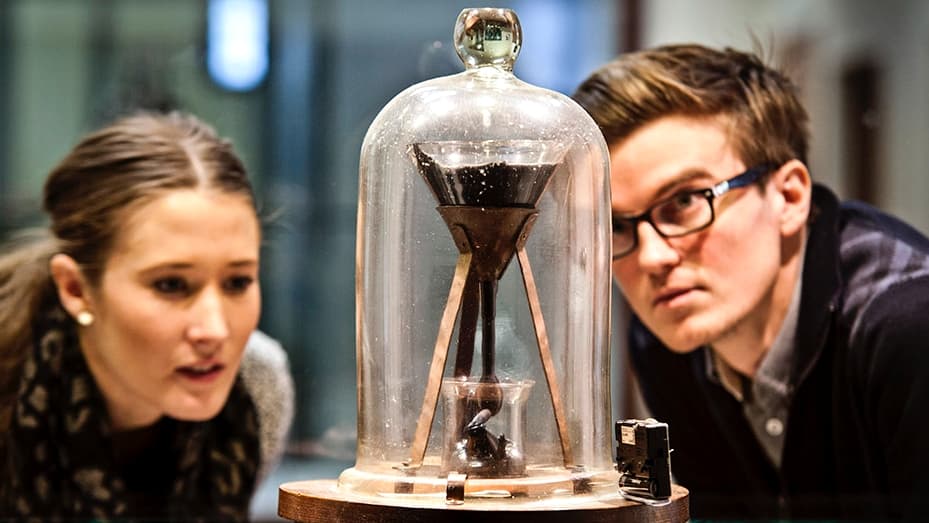
The 98-Year-Old Sticky Mess: Why Academia’s Longest Experiment Is a Monument to Obsolescence (And Who's Paying for It)
The world's longest-running lab experiment, the Pitch Drop, is nearing a century. But this slow science hides a dark secret about funding and relevance.

NASA’s February Sky Guide Is a Distraction: The Real Space Race is Happening in the Shadows
Forget Jupiter alignments. NASA’s February 2026 skywatching tips mask a deeper shift in space dominance and technological focus.

The Hidden Cost of 'Planned' Discovery: Why Science is Killing Serendipity (And Who Benefits)
Is modern, metric-driven science sacrificing accidental breakthroughs? The death of **scientific serendipity** impacts innovation and funding strategy.

DailyWorld Editorial
AI-Assisted, Human-Reviewed
Reviewed By
DailyWorld Editorial