The Longevity Lie: Why Meat Eaters Living to 100 Isn't the Victory You Think It Is
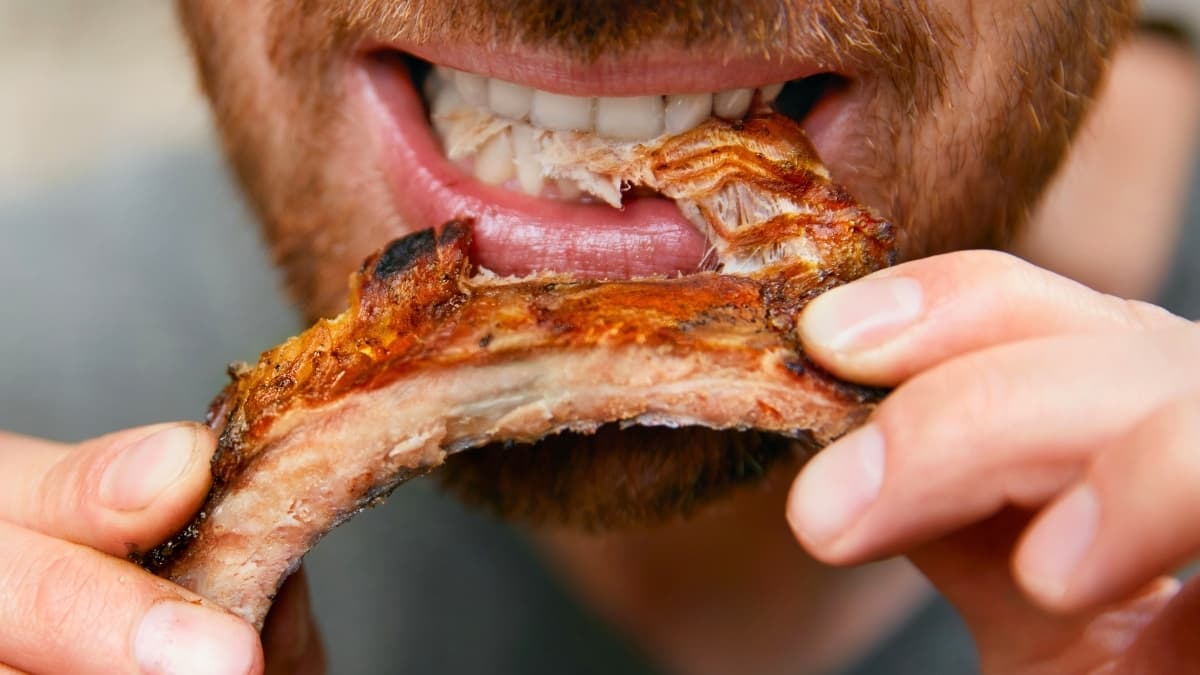
New longevity data suggests meat consumption correlates with extreme lifespan. But the real story behind this 'meat eater' breakthrough reveals a massive socioeconomic blind spot.
Key Takeaways
- •The study correlates meat consumption with reaching 100, but fails to isolate socioeconomic status (SES) as the primary driver.
- •High SES grants access to better healthcare and lower chronic stress, which are massive factors in longevity, irrespective of diet.
- •The finding risks becoming marketing fodder for expensive, 'premium' animal products rather than actionable public health advice.
- •The real focus should be on reducing chronic stress and economic disparity, which accelerate aging more than dietary choices alone.
The Longevity Lie: Why Meat Eaters Living to 100 Isn't the Victory You Think It Is
We live in an era obsessed with the centenarian. Every study promising the secret to extreme longevity becomes a headline, and the latest finding—that meat-eaters are disproportionately represented among those reaching 100—is being hailed as a biological mic drop. But stop celebrating that steak just yet. This isn't a win for carnivores; it’s a glaring indictment of how we study human health and aging.
The research, often cited by diet skeptics, points to a correlation: individuals who consistently consumed higher amounts of animal protein, particularly red meat, showed a statistical edge in reaching the 100-year mark. The immediate, shallow takeaway is simple: eat more meat, live longer. This narrative feeds directly into established dietary tribalism, allowing one side to claim vindication while the other scrambles for nuance.
The Unspoken Truth: It’s Wealth, Not Whey
This is where the investigative lens must pivot. We are analyzing correlation while ignoring causation. Who are these centenarian meat-eaters typically studied? They are overwhelmingly from populations with high socioeconomic status (SES). The true driver of extreme longevity isn't the saturated fat content of a ribeye; it's access to superior healthcare, lower occupational stress, better sanitation, and the financial freedom to eat high-quality, often expensive, organic or grass-fed meat without relying on cheap, ultra-processed alternatives.
When you control for SES, the supposed 'meat advantage' shrinks dramatically, often vanishing entirely. The study is effectively measuring 'wealth advantage,' masquerading as a dietary finding. The hidden agenda here is the continued marketing of expensive animal products to a middle class already stressed about their diet. The winners are the agricultural lobbies and the supplement industry, not the average consumer trying to decipher their grocery list.
Deep Dive: The Stress Factor of Scarcity
Consider the counter-evidence. Many high-longevity Blue Zones (like Okinawa or Sardinia) feature diets high in plants. The difference? Chronic stress. A person worried about affording rent or their next meal operates under constant allostatic load—a biological state that accelerates aging far faster than any single food choice. The person eating a modest amount of meat because they can afford the best healthcare is biologically shielded from the stress that kills the person eating cheap, processed meat because it's all they can afford.
This study should force us to ask: Are we studying diet, or are we studying the profound impact of economic security on biological outcomes? The latter is the far more uncomfortable truth for policymakers.
What Happens Next? The 'Premium Longevity' Divide
My prediction is that this data will be weaponized to create a new tier of dietary advice: the **'Premium Longevity'** bracket. You will see marketing shift from 'eat meat for health' to 'eat *this specific, expensive* meat for 100 years.' We will see a bifurcation where accessible, healthy plant-forward diets are implicitly labeled as 'mediocre' or 'average lifespan' options, while high-quality animal products become another status symbol, further widening the gap between the longevity haves and have-nots. True public health advances will stall because we keep focusing on the fork instead of the financial foundation beneath it.
For more on the established link between socioeconomic status and health outcomes, see reports from the World Health Organization.
Gallery


Frequently Asked Questions
Does this study definitively prove that eating meat causes people to live longer?
No. It shows a correlation, meaning meat-eaters were overrepresented in the 100+ group. Correlation does not equal causation; wealth and access to superior resources are likely the true causal factors.
What are Blue Zones, and how do they contrast with this finding?
Blue Zones are regions identified with unusually high concentrations of centenarians (like Okinawa, Japan). Many Blue Zones feature diets that are predominantly plant-based, contrasting the findings of this meat-focused study.
If I am not wealthy, should I stop eating meat based on this research?
The research suggests that the quality of life (low stress, excellent medical care) associated with the wealthy meat-eaters is the key factor. For the average person, focusing on overall balanced nutrition and managing stress is likely more impactful than making drastic, unsupported dietary shifts.
What is the 'hidden agenda' in reporting this study?
The potential agenda is the promotion of expensive, high-quality animal products and the diversion of attention away from systemic issues like economic inequality, which severely impacts public health and lifespan.
Related News

The Magnesium Mirage: Why Your Supplement Habit Won't Fix Your Life (And Who's Really Profiting)
Is everyone taking too much magnesium? We analyze the supplement hype, the real science, and the industry agenda behind the mineral craze.

The Collagen Cult Collapse: Why Dermatologists Are Finally Admitting Your $50 Powder Is Snake Oil
Dermatologists are quietly admitting that ingestible collagen supplements fail to deliver on their viral beauty promises. We dissect the industry.
Centenarians Eat Steak? The Hidden Agenda Behind the Latest Longevity Study
Forget kale. New data suggests meat-eaters hit 100, but this longevity finding reveals a deeper truth about diet and wealth.

DailyWorld Editorial
AI-Assisted, Human-Reviewed
Reviewed By
DailyWorld Editorial