The Digital Divide Isn't About Access; It's About Exploitation: The Hidden Cost for Seniors
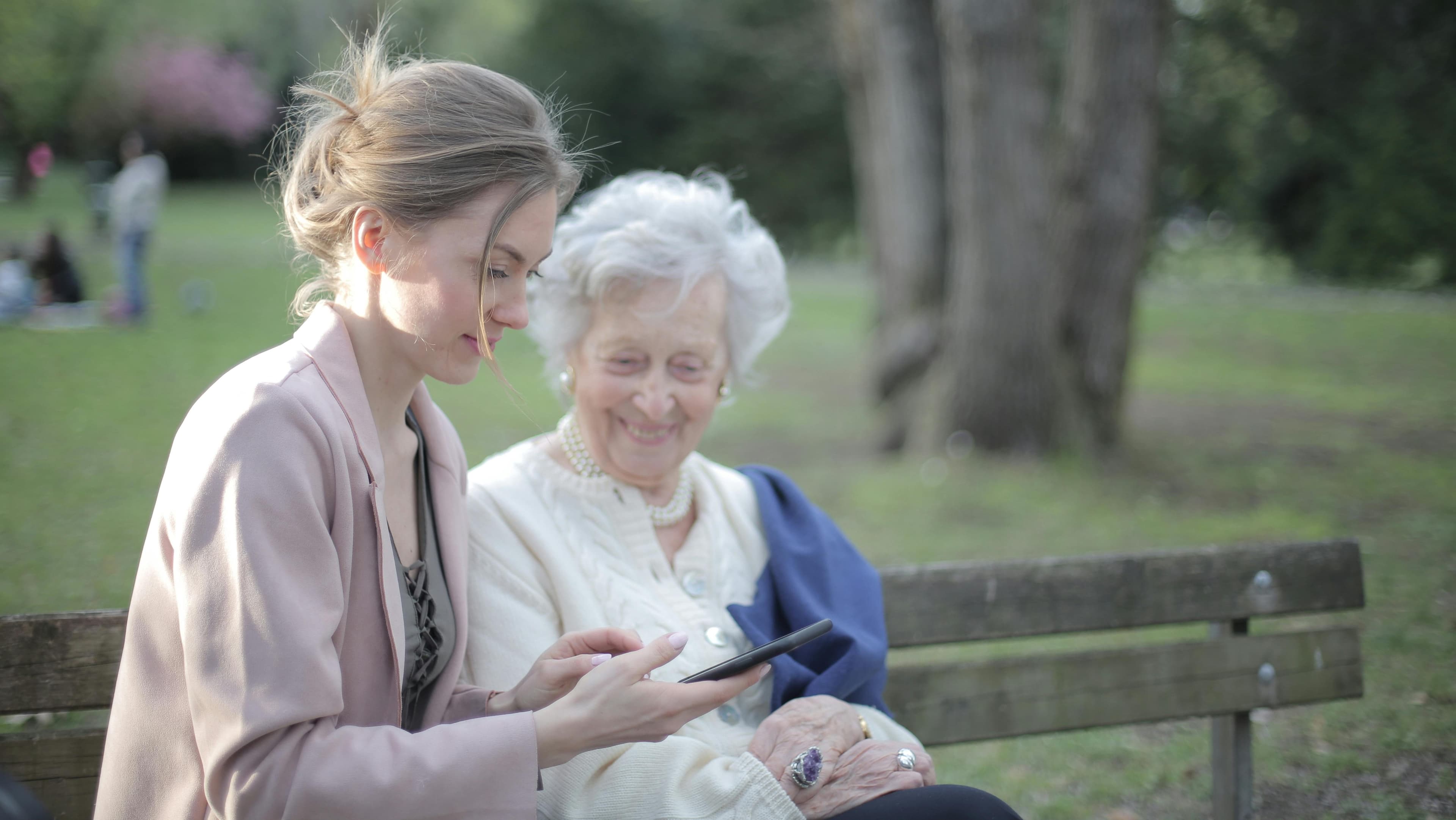
The push for 'digital inclusion' for older adults masks a darker truth: engineered obsolescence and data harvesting.
Key Takeaways
- •The focus on digital literacy often ignores hostile, complex UX design that alienates older users.
- •Seniors represent a crucial, untapped data stream being aggressively monetized by tech platforms.
- •Future trend points toward expensive 'Digital Concierge' services, creating a two-tier digital society.
- •True solutions require mandated accessible design standards, not just voluntary corporate training programs.
The Digital Divide Isn't About Access; It's About Exploitation: The Hidden Cost for Seniors
We are constantly fed the narrative of benevolent tech companies bridging the **digital divide** with empathy. They tout programs designed to bring **technology** to older populations, framed as acts of social good. But let’s cut through the corporate gloss. The real story of aging in the digital age isn't about connection; it's about control and monetization. Who truly benefits when Grandma finally masters FaceTime? ### The Unspoken Truth: Engineered Obsolescence and the Data Goldmine The current strategy focuses heavily on 'training' seniors to use smartphones and tablets. This approach fundamentally misunderstands the problem. The issue isn't just literacy; it's **user experience (UX)** design that actively alienates those outside the Millennial/Gen Z demographic. Interfaces become increasingly complex, reliant on gestures and constant updates that render perfectly functional hardware obsolete within three years. **The hidden agenda?** Seniors represent an untapped, highly predictable data stream. Once integrated into the digital ecosystem—from smart health monitors to simplified banking apps—their behavior, vulnerabilities, and spending patterns become highly valuable commodities. They are less likely to aggressively manage privacy settings, making them prime targets for data brokers and specialized advertising models. The push for inclusion is, in many ways, a push for total market penetration. ### Analysis: Why Empathy is Just Good Marketing When major telecom providers or tech giants launch initiatives to help seniors, it’s rarely pure altruism. It’s risk mitigation and market expansion. If a significant portion of the population remains offline, it represents a regulatory headache and a massive untapped revenue stream. The solution offered is often proprietary, locking users into specific ecosystems. True bridging of the digital divide would require open standards, radical simplicity, and hardware designed for longevity, not planned failure. Instead, we get glossy pamphlets and obligatory training sessions. Consider the economic impact. As essential services—banking, healthcare portals, government benefits—move exclusively online, those left behind face genuine hardship, not just inconvenience. This manufactured necessity forces adoption, often exposing vulnerable individuals to sophisticated phishing and scams, a crisis that rarely gets the same breathless coverage as a new smartphone launch. The failure to design inclusively is not an oversight; it's a feature benefiting platform owners who can then sell 'security solutions' back to the very population they marginalized. ### What Happens Next? The Prediction **Prediction:** Within five years, we will see the rise of 'Digital Concierge Services'—high-cost, human-mediated technology support services specifically targeting seniors and their worried families. These services will become a necessary, non-negotiable expense, essentially creating a two-tiered system: the digitally fluent who manage their own affairs cheaply, and the digitally dependent who pay a premium for human intermediaries to navigate the intentionally complex systems. This will solidify the financialization of basic digital access, further widening wealth gaps rather than closing the **technology** gap. The focus will shift from teaching seniors to use the tools to charging middlemen exorbitant fees to use the tools *for* them. We need legislation that mandates accessible design standards (WCAG compliance for all public-facing services, not just websites) and holds manufacturers accountable for the lifespan of their devices. Until then, the narrative of 'bridging the gap' remains a convenient distraction from the reality of digital extraction.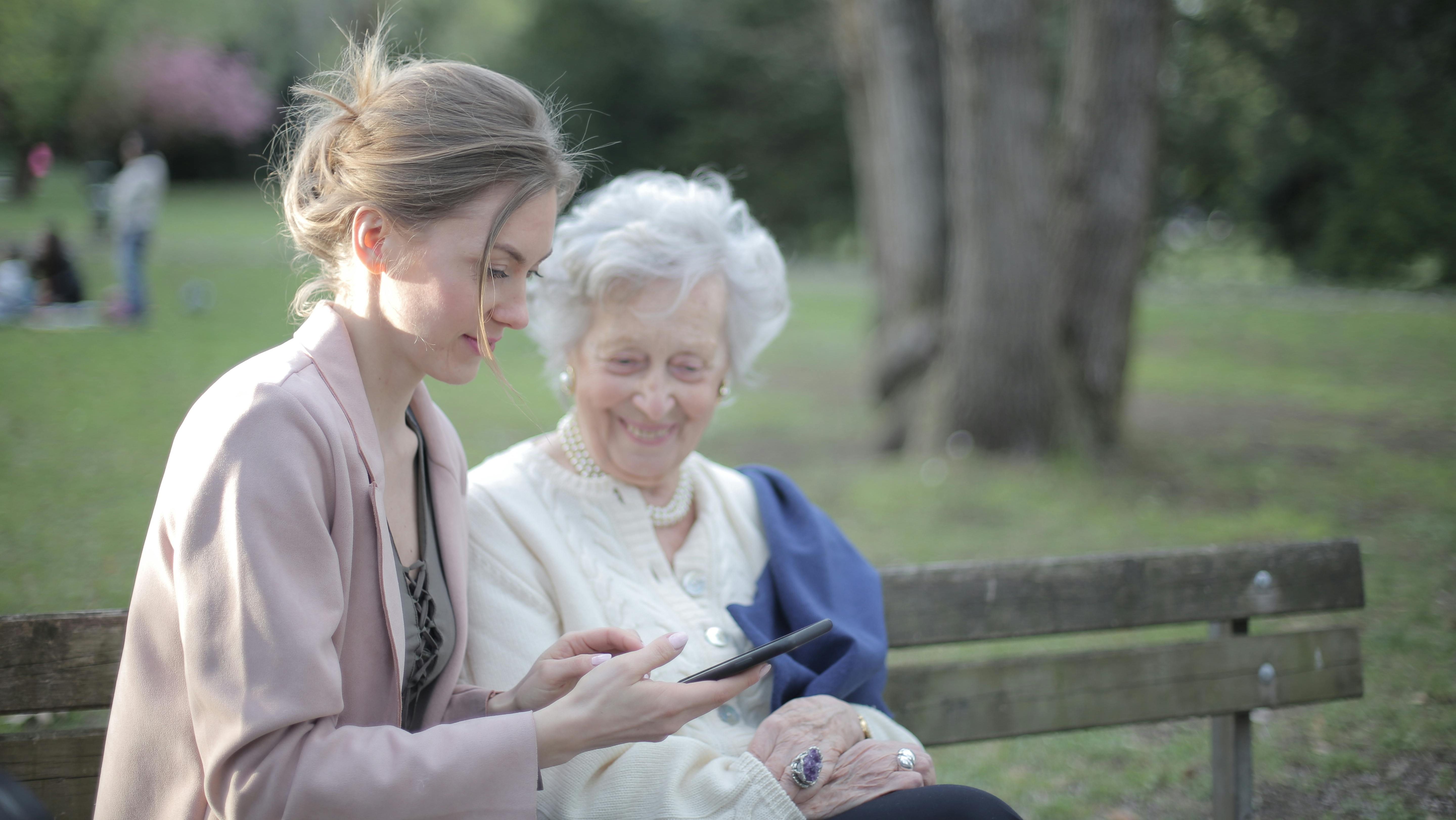
Frequently Asked Questions
What is the primary economic driver behind digital inclusion programs for seniors?
The primary economic driver is capturing a previously underserved demographic for data harvesting and e-commerce, ensuring 100% market penetration for digital services and advertising platforms.
Are seniors more susceptible to digital scams than younger generations?
Yes, studies often show seniors are targeted more frequently due to factors like trusting official-looking communications and less familiarity with modern social engineering tactics. For more on cybersecurity trends, see reports from organizations like the Cybersecurity and Infrastructure Security Agency (CISA).
What is 'engineered obsolescence' in the context of senior technology adoption?
It refers to designing hardware or software with intentionally short functional lifespans, forcing users (including seniors) to repeatedly purchase new, often more complicated, devices to maintain access to essential services.
What is the difference between digital literacy and digital access?
Digital access is having the hardware and connection; digital literacy is the skill to use it. However, the current debate often ignores digital *usability*—the ease and safety with which technology can be used by all ages.
Related News

OpenAI's New 'Social Science Scaling' Isn't About Ethics—It's About Control
OpenAI is scaling social science research, but the unspoken truth is this isn't about safety; it's about preemptive regulatory capture.

The Hidden Cost of 'Data Science for Education': Why This Fellowship Signals a Quiet Tech Takeover of Our Schools
The appointment of Jennifer Noble as a Data Science for Education Fellow isn't just an honor; it's a roadmap for the future of **educational technology**.

The Great Deception: Why 'Humanizing' Tech in Education Is a Trojan Horse for Data Mining
The push to keep education 'human' while integrating radical technology hides a darker truth about data control.
