The AI Trojan Horse: Why 'Agentic' Healthcare Systems Are a Trojan Horse for Physician Burnout

Hospitals are ditching simple digital tools for 'agentic systems.' This isn't efficiency; it's a subtle power shift you need to understand.
Key Takeaways
- •Agentic systems prioritize standardized workflow enforcement over physician autonomy.
- •The real beneficiaries are hospital administration and vendors seeking granular control.
- •Expect significant implementation failures as agents clash with real-world high-acuity medicine.
- •The future requires auditing rights for clinicians to override algorithmic directives.
The latest siren song echoing through hospital boardrooms is the call to abandon task-based digital tools for something far more seductive: intelligent, agentic systems. On the surface, this sounds like the digital nirvana promised for years—AI handling the grunt work, freeing clinicians. But peel back the venture capital gloss, and you find a far more complex, and potentially dangerous, transition for the future of healthcare IT.
The Unspoken Truth: Automation vs. Autonomy
Everyone agrees that the current state of Electronic Health Records (EHRs) is an administrative nightmare. Clinicians spend more time wrestling with clunky software than treating patients. The proposed solution—agentic systems—are touted as autonomous digital assistants capable of complex workflows, scheduling entire patient journeys, and proactively managing orders. This is the future of healthcare technology.
Here is the unspoken truth: these systems aren't primarily designed to reduce clinician burnout; they are designed to standardize, monitor, and ultimately, *control* workflow at an unprecedented level. Task-based tools required human input for every step. Agentic systems, by definition, operate with high autonomy. Who sets the parameters for that autonomy? The hospital administration and the software vendors, not the frontline physician.
The real winner here isn't the burned-out nurse. It’s the executive suite gaining granular, real-time oversight into every decision, measured against a perfect, algorithmically derived benchmark. The loser? Physician autonomy and the messy, intuitive art of medicine.
Deep Analysis: The Standardization Trap
This shift is fundamentally economic. Legacy digital health tools were point solutions—a scheduling module here, an order entry system there. They were siloed. Agentic systems aim to be the central nervous system, unifying data streams to enforce standardization. Standardization is beautiful for billing, utilization review, and insurance negotiations. It’s often anathema to complex clinical realities that defy simple flowcharts.
Think of it this way: a task-based tool asks, “Did you complete step A?” An agentic system dictates, “The optimal path requires you to execute steps A, B, and C in this precise sequence, or the system will flag a deviation.” This subtle change transforms the clinician from a knowledge worker into an executioner of the algorithm. We are trading flexibility for measured efficiency, a trade that historically favors the payer over the provider.
Furthermore, the initial implementation cost and complexity are staggering. Only massive health systems can afford to adopt these comprehensive platforms, accelerating the consolidation of healthcare power. Read about the historical struggles of EHR adoption for context on how disruptive this next wave will be here.
What Happens Next? The Prediction
The next 18 months will see a predictable wave of high-profile, disastrous pilot programs. Why? Because the training data used to build these agents will be based on historical, often flawed, institutional workflows. When the agentic system tries to enforce a 'standard' process in a high-acuity setting—say, an overwhelmed ER—it will create cascading failures that are far more complex than a simple software crash. We will see 'algorithmic drift,' where the system's own suggestions subtly push care away from best practices toward cost-saving conformity.
The backlash won't be against the technology itself, but against the implementation mandates. Expect a surge in physician groups demanding 'algorithm auditing rights' and the ability to toggle off agentic control in critical situations. The market will eventually bifurcate: elite, private practices will pay a premium for systems that *augment* physician judgment, while large, cost-conscious systems will double down on systems that *enforce* managerial directives. This is the new digital divide in medicine.
For more on the ethical implications of autonomous medical decision-making, see recent analysis from leading medical journals, such as those found on The Lancet.
Visual Context

The transition to agentic workflows is inevitable, but the power dynamic is not. Hospitals must demand transparency, or they are simply buying a more sophisticated form of management control. Explore the broader economic impact of automation on specialized labor markets via Reuters.
Frequently Asked Questions
What is the difference between task-based tools and agentic systems in healthcare?
Task-based tools are single-function software requiring direct human input for every action (e.g., manually entering an order). Agentic systems operate autonomously, managing complex, multi-step workflows (e.g., coordinating scheduling, ordering, and follow-up based on predefined goals).
Who stands to lose the most from the adoption of agentic healthcare systems?
Frontline clinicians (physicians and nurses) stand to lose the most autonomy. While intended to reduce administrative burden, these systems inherently increase managerial oversight and standardization, potentially stifling clinical judgment.
Will these new systems solve physician burnout?
Unlikely, in the short term. While they promise efficiency, if implemented poorly or without physician input, they may simply replace one form of administrative frustration (clunky EHRs) with another (enforced algorithmic compliance), leading to 'algorithmic burnout'.
What is 'algorithmic drift' in the context of healthcare AI?
Algorithmic drift occurs when a system's autonomous decisions slowly deviate from established best practices or human-validated standards, often optimizing for metrics like cost or throughput rather than nuanced clinical outcomes.
Related News
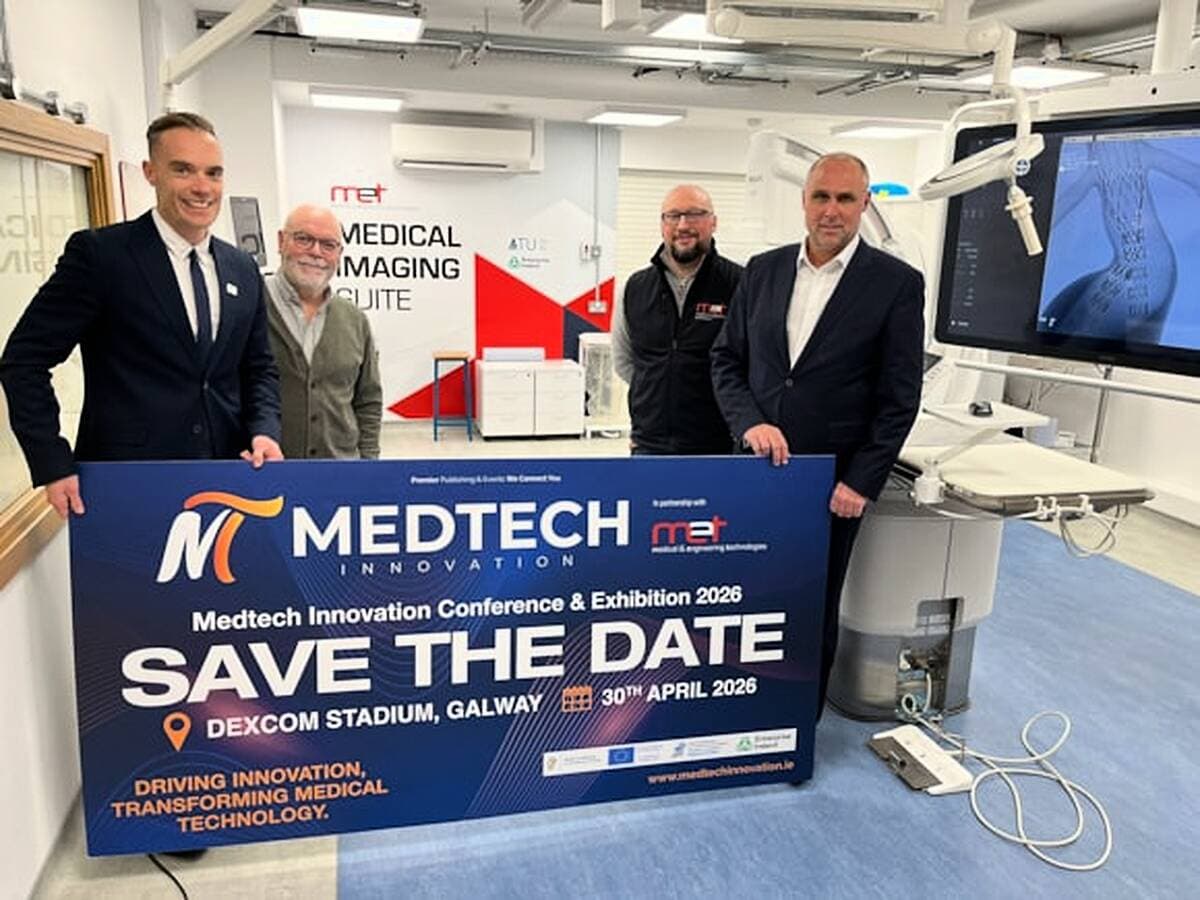
The Real Reason Dexcom Is Betting on Galway: It’s Not About Tech, It’s About Control
The upcoming medical technology conference in Galway isn't just a networking event. We dissect the hidden geopolitical and data control implications of this major MedTech gathering.
The Hidden Cost of Free Health Advice: Why Google's AI is Learning from YouTube
Google's AI is now citing YouTube for health answers. This isn't convenience; it's a massive, under-analyzed data grab that threatens medical credibility.

The Quiet Coup: How OpenAI's 'Healthcare' Push Will Redefine Doctor Liability Forever
OpenAI's entry into healthcare isn't about better diagnoses; it's a calculated move to shift medical accountability. We analyze the real winners and losers in this AI power grab.

DailyWorld Editorial
AI-Assisted, Human-Reviewed
Reviewed By
DailyWorld Editorial