The Hidden Cost of Free Health Advice: Why Google's AI is Learning from YouTube
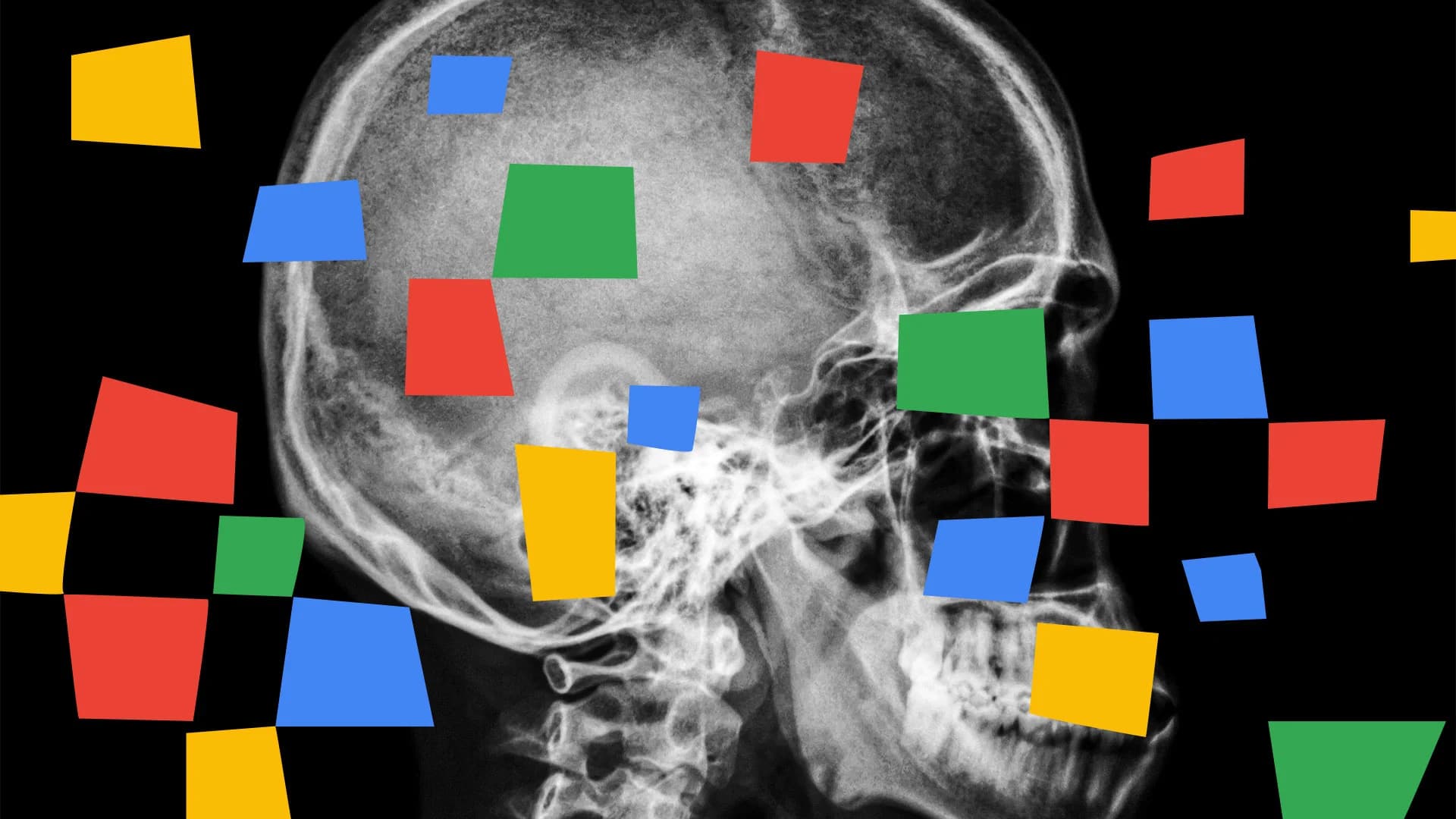
Google's AI is now citing YouTube for health answers. This isn't convenience; it's a massive, under-analyzed data grab that threatens medical credibility.
Key Takeaways
- •Google's AI relies heavily on YouTube, mixing expert knowledge with unvetted influencer content.
- •This algorithmic validation of low-quality content creates a dangerous feedback loop favoring engagement over accuracy.
- •The move prioritizes Google's engagement metrics over public health standards.
- •Expect increased regulatory scrutiny and potential liability changes for platforms hosting medical claims.
The Unspoken Truth: Your Health Answers Are Coming From Unvetted Influencers
We all ask Google. Now, the AI is answering, and the source material is deeply alarming. A recent study highlighted that Google’s evolving AI models, particularly those fielding sensitive medical information queries, are heavily leaning on YouTube content. This isn't just a technical footnote; it’s a catastrophic failure of editorial gatekeeping disguised as personalized access. The central issue isn't whether YouTube has good content—it does—but whether an algorithm can reliably distinguish a peer-reviewed study from a charismatic quack selling supplements.
The immediate winners are clear: Google, which maximizes engagement by serving readily available, high-volume video content, and the creators who now gain algorithmic validation. The losers? Anyone seeking reliable health advice. We are witnessing the final stage of information commodification: turning complex, life-altering medical decisions into clickbait fodder.
The Data Contamination Crisis
When a search engine indexes text, there are established heuristics for authority: domain quality, citation count, and editorial oversight. YouTube has none of that, at least not for medical claims. It is a firehose of opinion, advocacy, and outright misinformation. When the AI ingests this, it doesn't just *report* on fringe theories; it *validates* them by presenting them alongside established facts. This is algorithmic false equivalency at scale. We are training the next generation of digital health tools on the most emotionally charged, least fact-checked content available.
Consider the economics. Producing a high-production-value YouTube video debunking established science is often cheaper and more engaging than producing dense, peer-reviewed literature. The AI, optimizing for engagement metrics, naturally favors the video. This creates a vicious feedback loop: more engagement leads to higher ranking, which leads to more people trusting the source, regardless of its medical rigor. This fundamentally undermines the role of verified medical professionals.
Contrarian View: This Is Not About Better Answers
The narrative pushed by tech giants is always about democratization of knowledge. The reality is about maximizing time-on-site. If the AI can serve you a compelling 12-minute video on keto dieting rather than linking you to the NIH website, Google wins the advertising dollar. This move is less about improving health advice delivery and more about cementing YouTube’s status as the primary cultural arbiter of truth, even in domains requiring specialized expertise. This is the ultimate weaponization of user-generated content.
What Happens Next: The Regulatory Reckoning
The next six months will see a predictable pattern. First, another high-profile incident where AI-generated health advice leads to a demonstrable negative outcome. Second, Congressional hearings where tech CEOs will offer vague apologies and promise 'better guardrails.'
My Prediction: Regulators, spurred by public outcry, will finally move past Section 230 debates and focus narrowly on algorithmic amplification of medical misinformation sourced from non-vetted platforms. We will see the introduction of a 'Medical Content Liability Shield' that forces platforms like YouTube to treat health claims with the same editorial responsibility as traditional publishers. Failure to do so will result in massive, punitive fines, forcing them to aggressively filter or demonetize unverified health content. The era of completely hands-off content curation in sensitive fields is ending, not because of ethics, but because the liability risk is finally catching up to the profit margin.
Gallery
Frequently Asked Questions
What authority does YouTube content have for medical advice?
Legally, YouTube content generally holds no inherent authority; it is user-generated content. When AI models cite it, they are prioritizing engagement signals over established medical peer review, creating a significant risk for users seeking reliable health advice.
How does AI distinguish between good and bad health information?
Current models struggle. They often rely on popularity, recency, and engagement metrics (views, likes) rather than scientific consensus or editorial vetting, meaning sensational or popular misinformation can rank higher than nuanced expert opinions.
Will this trend affect my future Google searches?
Yes. If regulators intervene, you may see fewer direct AI answers and more direct links to established, high-authority medical websites like the Mayo Clinic or CDC, as platforms reduce their risk exposure.
Related News

The Quiet Coup: How OpenAI's 'Healthcare' Push Will Redefine Doctor Liability Forever
OpenAI's entry into healthcare isn't about better diagnoses; it's a calculated move to shift medical accountability. We analyze the real winners and losers in this AI power grab.

The Quiet Coup: How DIY Tech is Weaponizing Healthcare Against Big Pharma
Forget clinical trials. The rise of DIY medical hardware, especially for chronic conditions like tremors, signals a massive shift in healthcare power dynamics.

DailyWorld Editorial
AI-Assisted, Human-Reviewed
Reviewed By
DailyWorld Editorial