Your Ski Trip Might Be Ground Zero: The Hidden Vaccine Compliance Crisis Spreading Globally
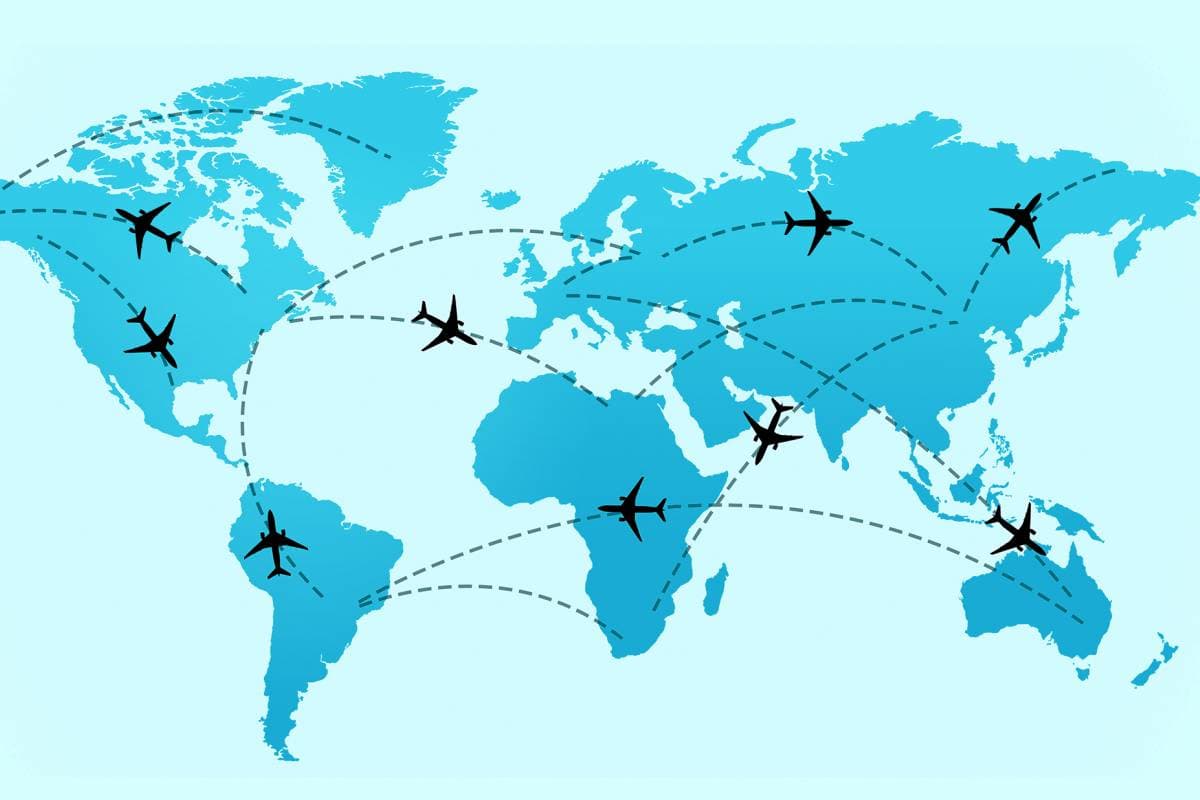
The resurgence of measles isn't just a travel advisory; it's a symptom of systemic healthcare failure. Unvaccinated travelers are the vectors.
Key Takeaways
- •Measles resurgence exposes deep systemic failures in global vaccination compliance, not just individual choice.
- •The economic fallout from outbreaks (cancellations, service strain) benefits chaos entrepreneurs and reactive health industries.
- •The trend points toward mandatory digital health documentation for international travel within 3 years, driven by economic fear.
- •Reactive travel advisories are insufficient; community-level trust rebuilding is the only long-term fix.
The Unspoken Truth: Why Your Winter Vacation Is a Public Health Liability
When you book that cozy chalet in the Alps or that sun-drenched resort in Southeast Asia, you’re not just planning for relaxation. You are entering a complex, high-speed vector network for preventable diseases. The latest warnings about measles outbreaks during peak travel seasons are being framed as quaint pre-departure checklists, but that misses the terrifying reality. This isn't about a few missed shots; it’s about the collapse of herd immunity thresholds in affluent, highly mobile populations. The real story isn't the risk of contracting measles; it's the systemic fragility exposed by it.
The current media narrative focuses heavily on the individual responsibility of getting a travel vaccination. But who benefits from this narrative? Pharma, certainly, but more importantly, it distracts from the geopolitical failure. Measles is a bellwether. Its re-emergence in supposedly immunized Western nations signals a profound crack in public trust and vaccination infrastructure. We are witnessing the slow, inexorable erosion of one of humanity's greatest public health achievements.
The Economics of Complacency: Who Wins When Immunity Fails?
Consider the economics. When outbreaks occur, the cost isn't just human suffering. It's massive economic disruption: canceled flights, mandatory quarantines, and the crushing burden on emergency medical services already stretched thin. The narrative conveniently ignores the fact that vaccine hesitancy is often fueled by well-funded, sophisticated disinformation campaigns. These campaigns thrive in the digital echo chambers that our social media overlords profit from. The winners here are the purveyors of chaos and the companies that develop expensive, reactive containment strategies.
The push for mandatory travel vaccination documentation, while superficially logical, creates a two-tiered system. Those who can easily access healthcare and comply gain freedom of movement, while marginalized or underserved populations—often those with legitimate barriers to care—become de facto internal exiles. This is the hidden agenda: using public health crises to tighten control over mobility rather than fixing the underlying access issues.
Where Do We Go From Here? The Prediction
The current approach—reactive alerts before major holidays—is doomed to fail. My prediction is that within the next three years, we will see the first major international travel hub (likely in Europe or North America) implement mandatory, real-time digital proof of immunity for non-resident travelers during winter months. This will not be voluntary. It will be a direct consequence of a high-profile, fatal outbreak linked to an international flight or cruise ship. This move, while draconian, will be framed as a necessary security measure, setting a dangerous precedent for digital health passports far beyond infectious disease control. Expect significant pushback, but ultimately, the fear of economic shutdown will win out over civil liberties arguments.
The only sustainable path isn't more warnings; it's radical investment in community-level outreach and rebuilding faith in public health institutions. Until then, pack your bags, but realize you are traveling through a minefield of systemic failure.
Gallery


Frequently Asked Questions
Is the MMR vaccine sufficient for measles protection when traveling internationally?
For most individuals who received the standard two-dose MMR vaccine schedule as a child in a high-coverage country, protection is generally strong. However, public health bodies often recommend a third dose or proof of immunity if traveling to areas experiencing current outbreaks or if your original vaccination records are incomplete.
What is the real risk of measles for vaccinated travelers?
While highly effective, no vaccine is 100%. The primary risk comes from encountering unvaccinated individuals in crowded travel hubs, where transmission rates are extremely high. Furthermore, if you are one of the rare individuals whose immunity has waned, you become a risk vector.
How does vaccine hesitancy impact global herd immunity thresholds?
Measles requires a herd immunity threshold of around 93-95% to prevent sustained community spread. Even small drops below this level, concentrated in specific high-traffic areas like airports or ski resorts, can allow the virus to find and exploit susceptible pockets rapidly.
Related News

Forget Blueberries: The Peanut Lobby's Quiet Coup to Rebrand Your Brain Food Staple
Is the push for peanuts boosting cognitive function just good science, or a calculated move to dominate the booming **brain health supplements** market? We dig into the hidden agenda.

The Silent Epidemic: Why 75% of Americans Are Lying About Their Heart Health to Their Own Doctors
New data reveals a massive disconnect in **cardiovascular health** discussions. Are patients scared, or are doctors failing to listen to vital **health data**?

The Hidden Cost: Why Duke's Study on Black Men's Football Brain Health Exposes a Systemic Failure
New Duke research on Black men's brain health and football CTE reveals a systemic reckoning ignored by the NFL machine.

DailyWorld Editorial
AI-Assisted, Human-Reviewed
Reviewed By
DailyWorld Editorial