Your Fingernails Are Lying To You: The Dark Economics Behind 'Health Scares' in Beauty
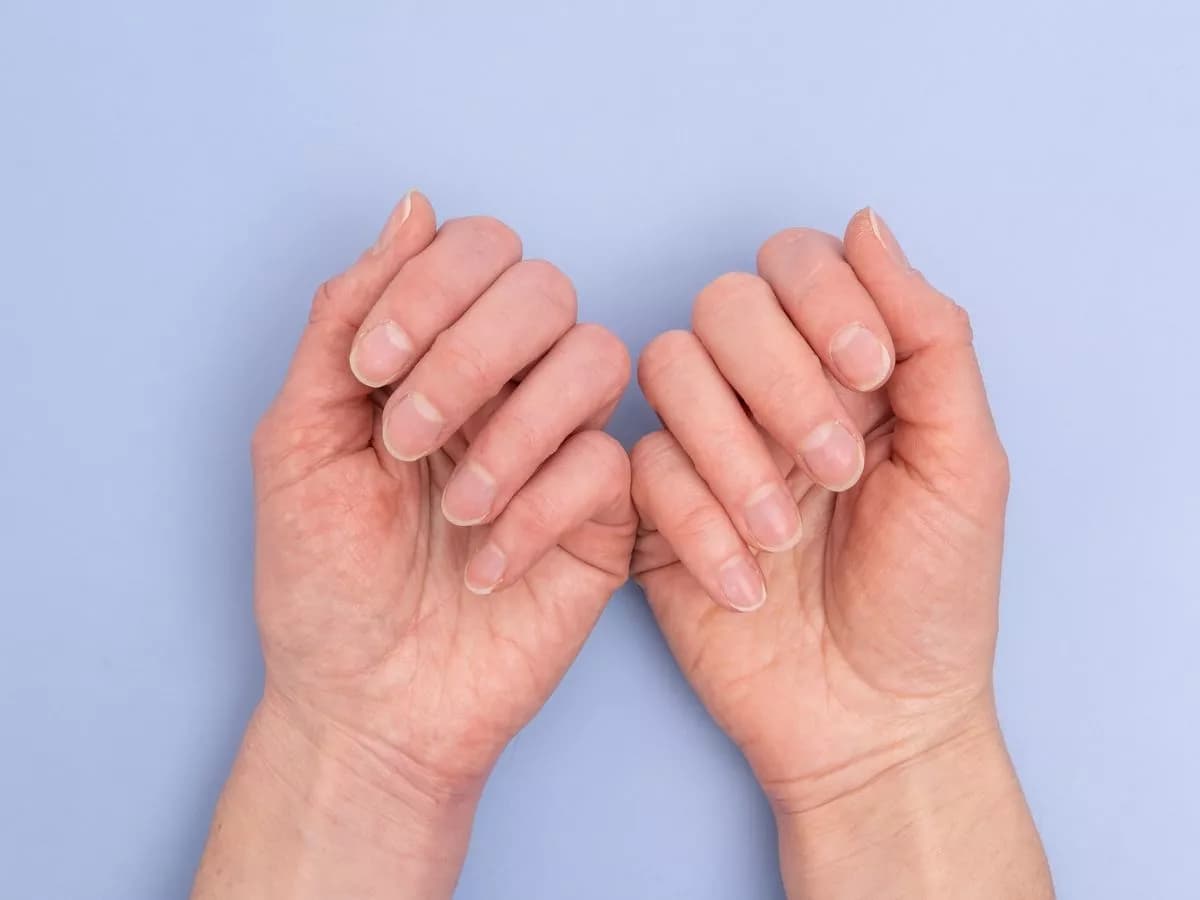
Forget the latest polish trend. We dissect why seemingly innocuous nail color changes are weaponized as 'health alerts,' exposing the real winners.
Key Takeaways
- •The sudden focus on nail colors is an optimized content strategy designed to generate clicks via anxiety, not genuine public health alerts.
- •Most minor nail discolorations (white spots, mild yellowing) are cosmetic or due to trauma, yet are sensationalized as signs of severe systemic failure.
- •The real economic winners are urgent care providers and subscription-based 'AI diagnostic' tools being developed.
- •True cyanosis (blue nails) is the only color change warranting immediate, non-cosmetic medical review.
The Unspoken Truth: When Your Manicure Becomes a Medical Scare
The internet is awash this week with breathless reports linking common nail colors—yellow, blue, or even stark white—to dire, underlying health conditions. This isn't about spotting early signs of disease; it's about the calculated monetization of generalized anxiety. The rise of 'nail health scares' serves a dual purpose: it drives clicks for sensationalist media and subtly pushes consumers toward unregulated, often expensive, 'wellness' diagnostics. We are witnessing the transformation of routine aesthetics into mandatory medical surveillance.
The core premise—that nail discoloration indicates serious illness—is often technically true but contextually misleading. Yes, yellow nails can signal severe respiratory issues like COPD, and blue nails suggest cyanosis (lack of oxygen). But reducing complex systemic failures to a single, easily observed cosmetic change is journalistic malpractice dressed up as public service. The real question isn't what color you see, but who benefits from you panicking about it. The winners are the urgent care clinics and the supplement industry, not the average consumer seeking clarity on their nail health.
Deconstructing the Five Colors: Analysis, Not Alarm
The articles list five common visual cues. Let's analyze them with the necessary skepticism:
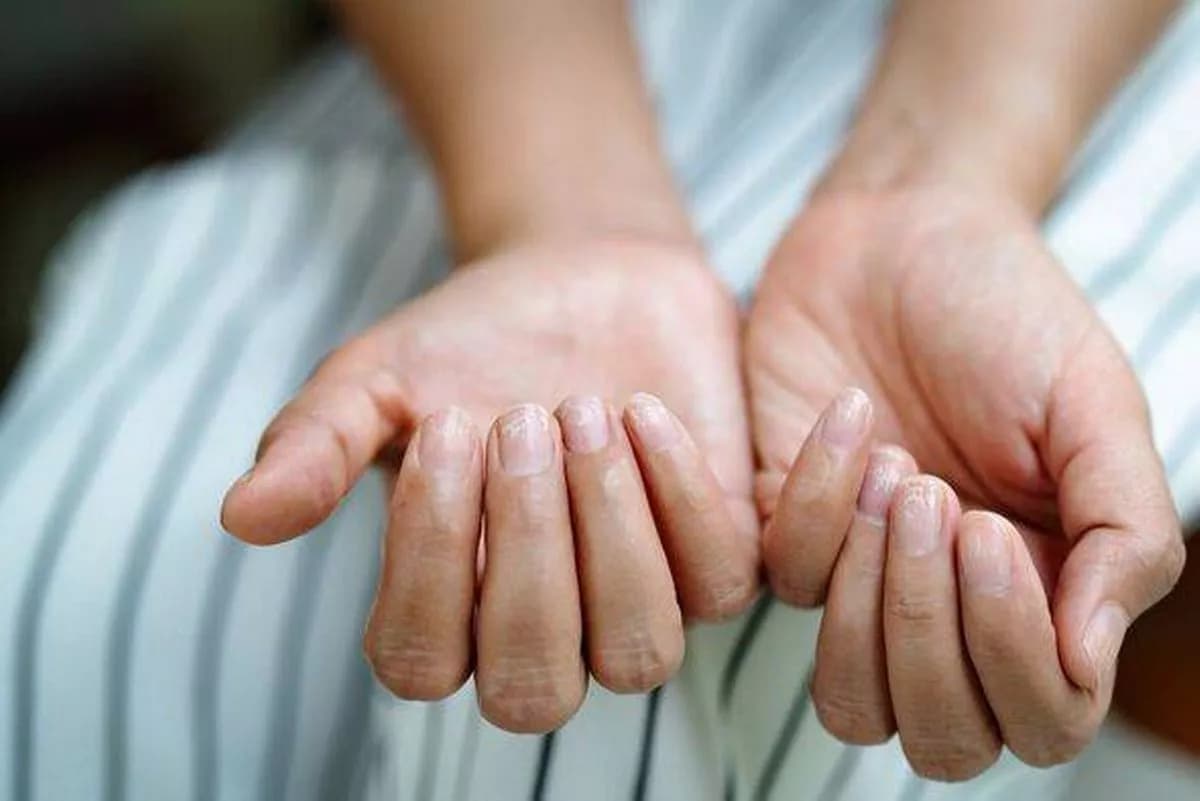
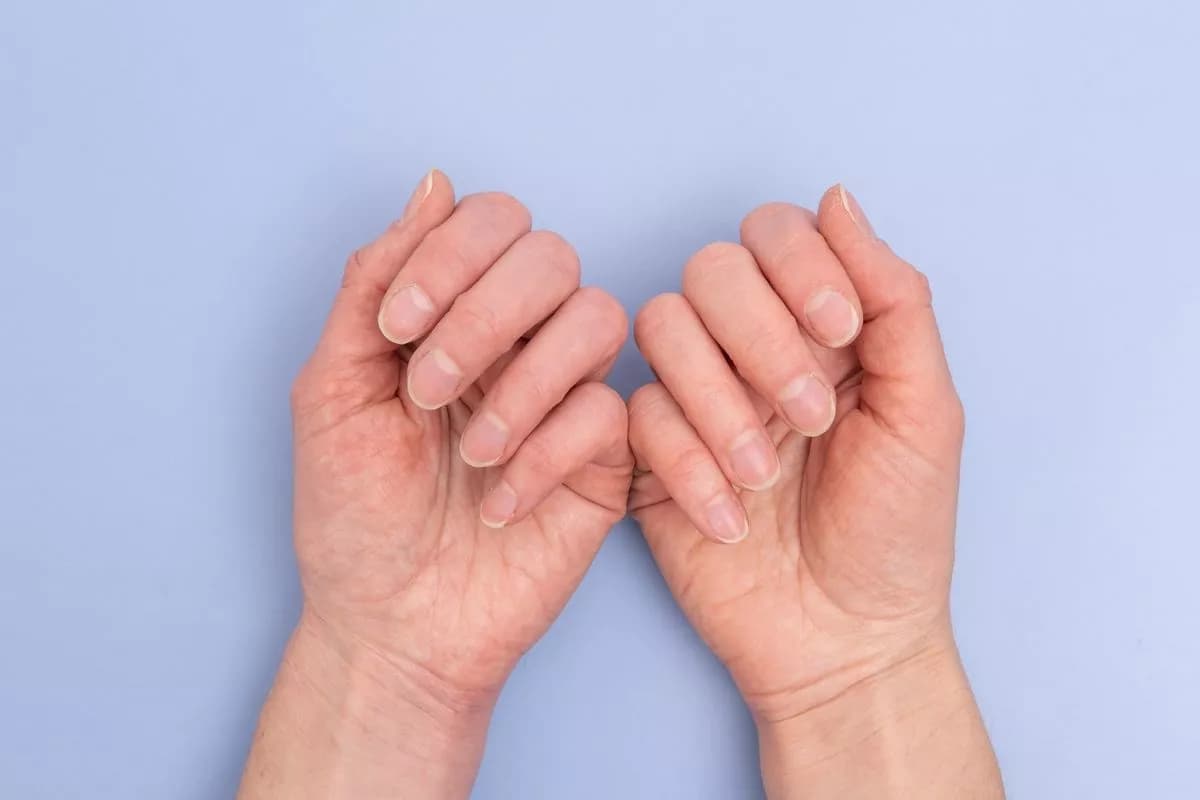
- Yellowing: Often simple staining from dark polish or nicotine. When systemic, it points to chronic issues, often lung-related. This is the oldest, most reliable signal, yet it’s being repackaged for viral consumption.
- White Spots (Leukonychia): Almost universally attributed to minor trauma or protein deficiency. The fear-mongering narrative inflates this into zinc deficiency or liver problems.
- Blue/Purple (Cyanosis): This is the only one that demands immediate, non-cosmetic attention, signaling poor peripheral circulation or heart/lung failure.
- Black/Brown Streaks (Melanonychia): While potentially melanoma, the vast majority are benign moles or post-trauma pigmentation. The fear pushes unnecessary dermatologist visits.
- Brittle/Ridged Nails: Often environmental or age-related. The narrative conveniently ignores decades of research on nail structure in favor of a new, shiny 'cure.'
The true tragedy here is the erosion of trust in genuine medical communication. When every slight variation becomes a potential death sentence, people learn to tune out the actual warnings. This phenomenon perfectly illustrates the modern information economy: anxiety is the most valuable commodity, far outpacing accurate health information.
The Prediction: The Rise of Digital Nail Diagnostics
Where do we go from here? Expect the 'nail scare' cycle to mature. The next phase will involve Big Tech entering the diagnostic space. We will see the launch of smartphone apps utilizing advanced optical recognition software, marketed as 'AI Nail Scanners.' These services, likely subscription-based, will offer immediate, high-anxiety assessments, funneling users directly into telehealth networks affiliated with the app creators. This moves the diagnostic arbitrage from the clickbait headline to the proprietary algorithm. This will not improve public health; it will simply automate the monetization of hypochondria.
For genuine insight into systemic health indicators, look beyond the surface. Consult reputable sources like the Mayo Clinic or the World Health Organization for established diagnostic pathways, not viral listicles.
Gallery
Frequently Asked Questions
Are nail color changes actually reliable indicators of serious health conditions?
While certain extreme changes, like deep blue discoloration (cyanosis), are critical indicators of oxygen deprivation, most common variations (like mild yellowing or white spots) are frequently caused by external factors, trauma, or minor deficiencies, not immediate life-threatening illness.
What is the most common cause of yellow fingernails besides disease?
The single most common cause of yellowing is staining from dark nail polish, frequent use of non-base-coated polish, or exposure to nicotine (smoking).
Should I panic if I see a black line under my nail?
A dark streak is called melanonychia. While it *can* be a rare form of melanoma, it is far more often a benign mole or pigmentation resulting from previous injury to the nail matrix. A dermatologist should examine any new or changing streak, but panic is counterproductive.
What high-authority sources confirm general nail health indicators?
Reliable information regarding the relationship between nail appearance and systemic health can be found through established medical institutions such as the Mayo Clinic or official publications from the World Health Organization (WHO).
Related News

Forget Blueberries: The Peanut Lobby's Quiet Coup to Rebrand Your Brain Food Staple
Is the push for peanuts boosting cognitive function just good science, or a calculated move to dominate the booming **brain health supplements** market? We dig into the hidden agenda.

The Silent Epidemic: Why 75% of Americans Are Lying About Their Heart Health to Their Own Doctors
New data reveals a massive disconnect in **cardiovascular health** discussions. Are patients scared, or are doctors failing to listen to vital **health data**?

The Hidden Cost: Why Duke's Study on Black Men's Football Brain Health Exposes a Systemic Failure
New Duke research on Black men's brain health and football CTE reveals a systemic reckoning ignored by the NFL machine.
