Venezuela's Brain Drain: The Real Reason Maduro Can't Afford to Fix Its Science Crisis
The call for "profound political change" in Venezuela isn't just about democracy; it's about resurrecting the ghost of its scientific past. The brain drain is terminal.
Key Takeaways
- •The collapse of Venezuelan science is a deliberate act of political control, not just economic mismanagement.
- •The brain drain is irreversible in the short term, creating a multi-decade gap in institutional knowledge.
- •Political change alone is insufficient; a concerted effort to win back exiled scientists is required for recovery.
- •Venezuela's hyper-reliance on oil is cemented by the destruction of its non-extractive intellectual capacity.
The Unspoken Truth: Science as a Political Barometer
The recent lament from Times Higher Education that Venezuelan science requires “profound political change” is a diplomatic understatement masking a catastrophic failure. This isn't merely about underfunded labs or decaying infrastructure; it's about the systematic dismantling of intellectual capital—the most valuable currency in the 21st century. When a nation’s scientific output flatlines, it signals more than just academic malaise; it screams political rot. The true crisis here isn't the lack of funding for Venezuelan research; it’s the intentional creation of an environment where brilliance is a liability.
We must analyze this through a contrarian lens. Who benefits from the collapse of independent scientific inquiry? The regime. A vibrant, critical scientific community acts as a natural check on power. They quantify pollution, verify economic claims, and challenge official narratives. By starving universities and forcing the best minds to flee—the infamous Venezuelan brain drain—the government ensures its narratives remain unchallenged. The political stability Maduro seeks is built upon an intellectual vacuum.
The Terminal Velocity of Exodus
The numbers are brutal. Tens of thousands of highly educated Venezuelans have left. These aren't just random citizens; they are the engineers, the epidemiologists, and the theoretical physicists. When a petroleum engineer leaves, the national energy capacity suffers. When a pharmacologist leaves, public health deteriorates. The loss isn't linear; it's exponential. The few who remain are often those too old, too politically compromised, or too poor to escape. This institutional memory loss is irreversible in the short term, requiring decades to rebuild even under ideal conditions.
Consider the implications beyond national borders. This exodus creates a localized 'brain gain' for countries like Chile, Colombia, and the US, benefiting their R&D sectors while permanently handicapping Venezuela’s ability to recover its non-oil economy. The reliance on oil revenue, already precarious, becomes total because the human capital needed for diversification has been outsourced by political necessity.
What Happens Next? The Decades-Long Winter
The prediction is stark: Even if a genuine political transition occurred tomorrow, the scientific revival would take a minimum of 15 to 20 years, assuming massive, sustained international investment. Why? Because institutions don't just consist of buildings; they consist of peer networks, mentorship chains, and accumulated institutional trust. Those chains have been severed. Young students today have no senior mentors to guide them toward international standards, creating a vacuum that current political rhetoric cannot fill.
We will see a temporary surge in diaspora-led initiatives—virtual collaborations with the homeland. But without physical infrastructure and domestic state commitment, these efforts will remain academic curiosities rather than engines of national resurgence. The political change demanded by academics is necessary, but it is far from sufficient. The real challenge is convincing the exiled scientific class to return to a country that actively scorned them.
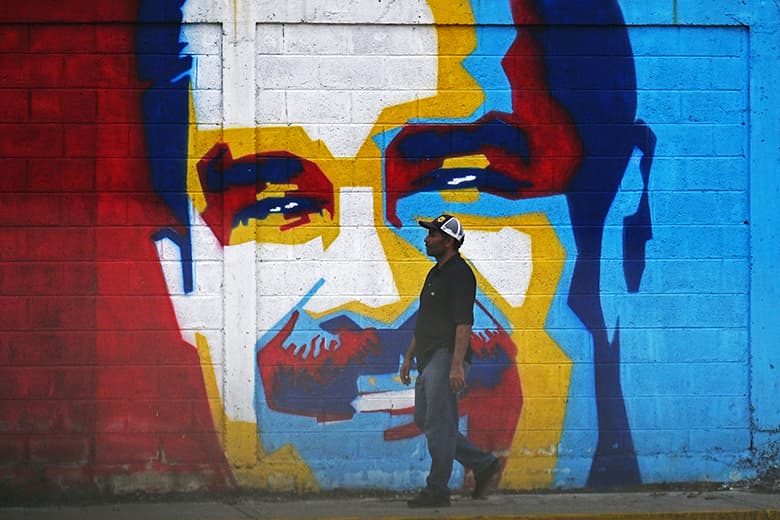
The image of a crumbling university campus, like the one perhaps represented by the murals of the current regime, is not just a symbol of decay; it is a monument to deliberately engineered national decline. For real Venezuelan science to revive, the political structure must not just change; it must actively seek reconciliation with the minds it expelled. Until then, the nation remains scientifically captive.
Gallery

Frequently Asked Questions
What is the main reason for the decline in Venezuelan science?
The primary driver is the systematic political suppression and economic collapse under the current regime, leading to massive emigration of skilled researchers (brain drain) and severe underfunding of universities and research centers.
How does the Venezuelan brain drain affect the country's future?
It cripples the nation's ability to diversify its economy away from oil, undermines public health infrastructure, and removes the critical thinkers necessary for long-term democratic and economic rebuilding.
Can foreign investment alone revive Venezuelan science?
No. While foreign aid can rebuild physical infrastructure, sustained scientific progress requires domestic commitment, stable governance, and the presence of experienced local researchers to mentor the next generation.
What is the 'profound political change' mentioned in reports?
It refers to a fundamental shift in governance away from the current authoritarian structure toward one that respects academic freedom, rule of law, and invests in human capital development.

DailyWorld Editorial
AI-Assisted, Human-Reviewed
Reviewed By
DailyWorld Editorial