The Wolf Whisperers: Why AI Decoding Yellowstone Howls Is Really About Government Control, Not Conservation
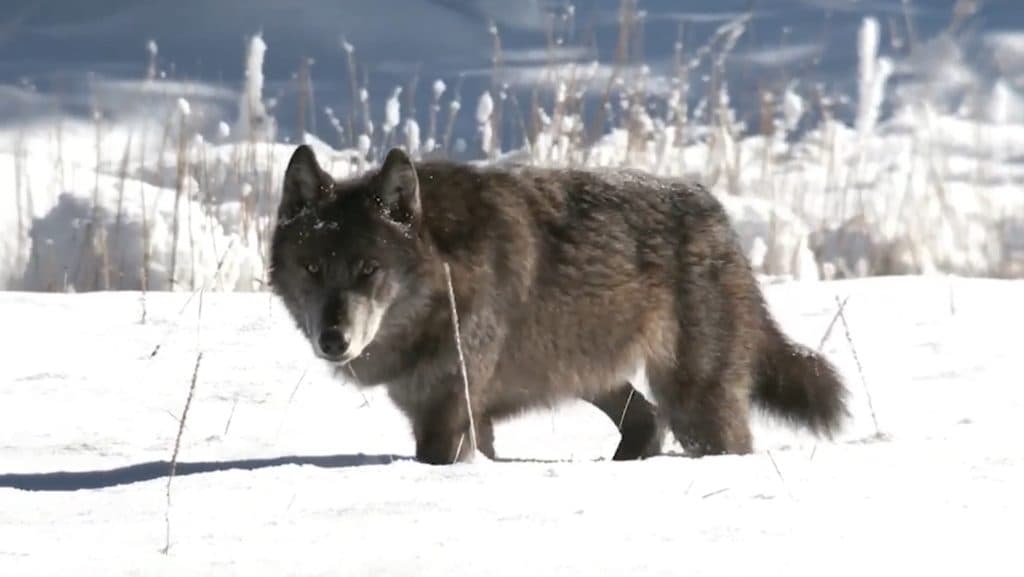
The rush to use AI for **wildlife technology** in Yellowstone masks a deeper agenda: total data capture over natural systems. Who truly benefits from this **acoustic monitoring**?
Key Takeaways
- •AI decoding of wolf howls establishes a precedent for comprehensive, real-time digital surveillance of federal lands.
- •The true beneficiaries are the institutions gaining regulatory data leverage, not just the conservationists.
- •Quantification via AI risks prioritizing machine-readable data over the complex reality of wilderness.
- •The next step involves AI generating synthetic howls to actively manipulate animal behavior.
The Silicon Sniff Test: Are We Listening to Wolves or Collecting Data?
The narrative is clean, comforting: dedicated scientists using cutting-edge **artificial intelligence** to decode the complex communication of Yellowstone wolves. It sounds like a triumph of conservation technology. But look closer. When Big Data meets the wilderness, the first casualty is usually privacy—even for apex predators. This isn't just about understanding pack dynamics; it’s about creating the first fully digitized, auditable ecosystem.
The current research, focusing on using machine learning to differentiate individual wolf howls and map social structures, frames itself as pure science. The immediate benefit is clear: better population management, reduced human-wildlife conflict. However, the unspoken truth is that this methodology—deploying sophisticated **acoustic monitoring** arrays across vast, federally controlled land—establishes a precedent. If we can map and categorize every howl, every territorial marker, what stops the next iteration of this technology from monitoring human activity in the same remote areas? It is the ultimate surveillance infrastructure, cloaked in the noble guise of ecology.
The Unspoken Agenda: Who Wins When Nature is Quantified?
The primary beneficiaries here are not the wolves; they are the institutions that gain unprecedented, granular control over public lands. Think about the implications for land use policy, hunting quotas, and even resource extraction permits. If an algorithm can definitively state that a certain area is 'high-value wolf territory' based on real-time vocalization data, that data becomes a powerful, ostensibly objective weapon in regulatory battles. The tech providers, the software developers, and the federal agencies that purchase and deploy this **wildlife technology**—they are the real winners.
Furthermore, this trend signals a fundamental shift: the move from ecological observation to ecological **data mining**. Traditional ecology relied on interpretation, nuance, and the inherent wildness of the subject. AI demands standardization. It needs clean, categorized inputs. This pressure inherently biases the science toward what the machine can easily process, potentially filtering out the truly anomalous or unpredictable behaviors that define true wilderness. We risk creating a 'managed wilderness' that only exists within the parameters of our algorithms.
Where Do We Go From Here? The Synthetic Howl
The next logical—and terrifying—step is twofold. First, expect rapid expansion beyond wolves. If this AI model proves effective, expect similar **acoustic monitoring** projects for everything from migratory bird patterns to subterranean insect populations. The entire ecosystem becomes a live data feed. Second, and more critically, prepare for the simulation. Once we perfectly map the syntax of wolf communication, the next phase will be synthesis. Why just listen when you can talk back? Imagine an AI capable of generating 'synthetic howls' to deter wolves from approaching ranchland or lure them away from specific zones. This isn't coexistence; it's digital herding. This capability hands unparalleled power to those who control the generative models, effectively allowing them to edit the behavior of apex predators remotely. The age of true, untamed nature ends when we can fake its voice.

Gallery

Frequently Asked Questions
What is the primary goal of using AI to decode wolf howls?
The stated primary goal is to identify individual wolves, map pack territories, and understand social structures more accurately than traditional tracking methods allow, aiding conservation efforts.
How does this acoustic monitoring technology work?
The technology employs vast arrays of microphones connected to machine learning algorithms trained on thousands of known wolf vocalizations. The AI then analyzes new recordings to classify the type of howl (e.g., contact call, territorial display) and attribute it to a specific wolf based on unique vocal signatures.
Is this research controversial among conservationists?
While celebrated for its potential, some critics worry that over-reliance on technology can lead to 'data-driven' management that ignores nuanced ecological realities, and raises concerns about the scope creep of surveillance infrastructure on public lands.
Where else is this type of wildlife technology being applied?
Similar acoustic monitoring and AI analysis techniques are being explored or implemented for tracking endangered bird species, monitoring bat populations, and assessing biodiversity health in rainforests globally.
