The Western Cape's Infrastructure Blitz: Why 45 New Health Projects Hide a Looming Crisis

Beneath the fanfare of 45 new Western Cape health projects lies a dangerous truth about South Africa's healthcare capacity and the privatization battle.
Key Takeaways
- •The 45 projects are strategic political assets masking deeper systemic operational issues.
- •The focus on infrastructure distracts from the critical shortage in specialized medical personnel.
- •Prediction: Expect rapid privatization/outsourcing of services within these new facilities via PPPs.
- •True equity requires radical training reform, not just physical building upgrades.
The Facade of Progress: 45 Projects and the Real State of South African Healthcare
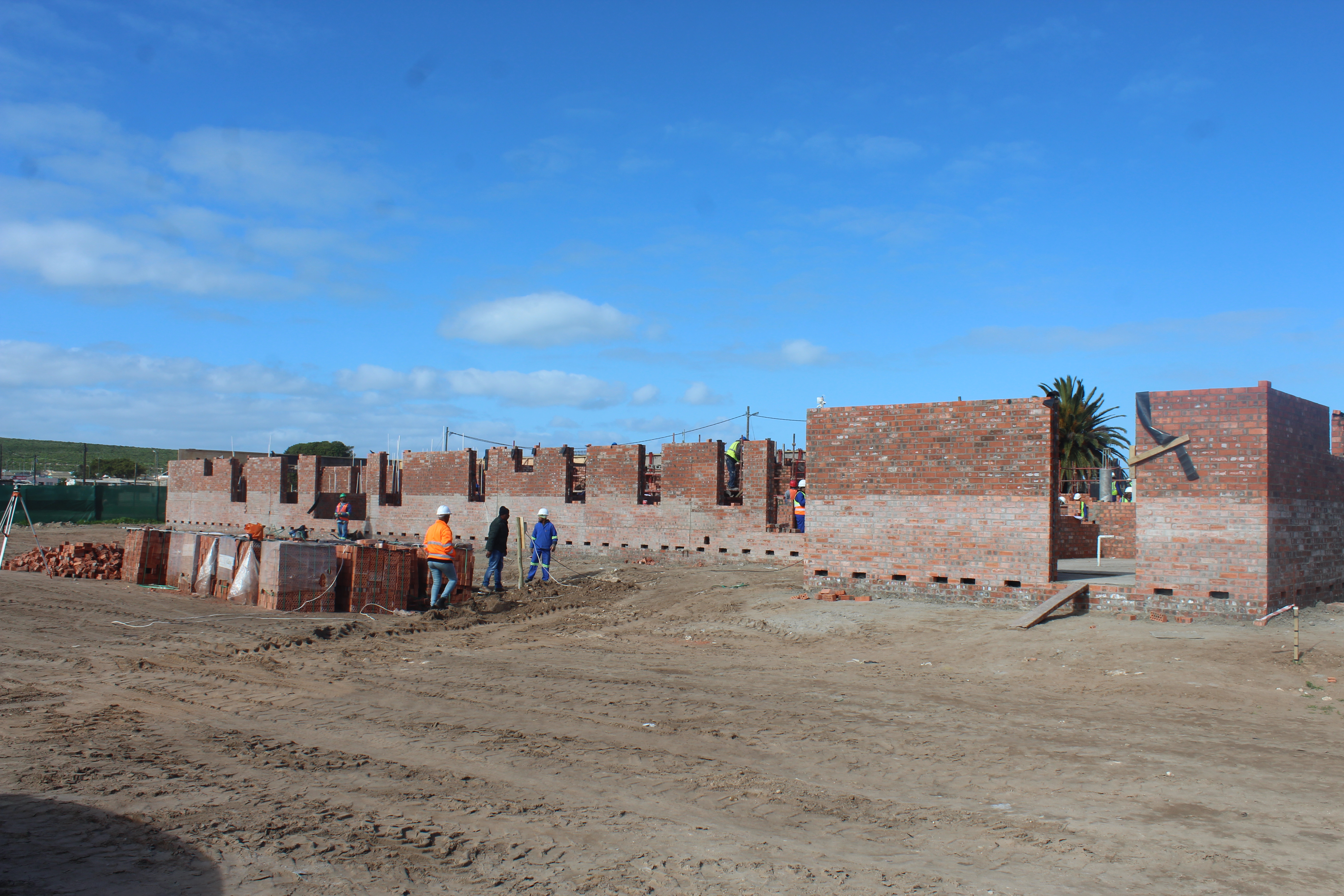
The Western Cape Government is boasting about 45 new health infrastructure projects. On the surface, this looks like a win for public healthcare spending and service delivery. Clinics are being upgraded, and new facilities are promised. But we need to look past the press releases and the glossy images of construction sites. This isn't just about bricks and mortar; it’s about a fundamental ideological battleground in South African medicine.
The unspoken truth? This massive investment in health infrastructure is less about solving systemic failure and more about creating pockets of excellence designed to manage the inevitable overflow from an overburdened national system. While these projects target underserved areas, they also serve as strategic anchors—demonstrating competence in a region often held up as the benchmark against the national Department of Health’s struggles. Who truly wins? The politically aligned private sector that benefits from the inevitable outsourcing, and the middle class who can afford to access these newly refurbished facilities before the inevitable strain degrades them.
The Hidden Agenda: Managing Scarcity, Not Achieving Equity
The key question isn't *if* they are building, but *what* they are building and *why now*. South Africa faces a critical shortage of specialized medical personnel, a reality not solved by pouring concrete. This Western Cape health push feels like a highly visible Band-Aid. The real game is resource allocation. By focusing heavily on fixed infrastructure, the provincial government creates tangible assets that look good on quarterly reports, potentially masking deeper operational deficiencies, such as staff retention rates or the integration of new digital health records.
We must analyze this through an economic lens. Infrastructure projects are excellent for short-term economic stimulation and political optics. However, if the operational budget—the recurring cost of staffing, maintenance, and supplies—isn't scaled proportionally, these shiny new clinics will become white elephants within five years. The long-term sustainability of this public healthcare spending remains the critical, unaddressed vulnerability.
Where Do We Go From Here? The Prediction
Here is the prediction: Within 36 months, expect a sharp increase in public-private partnerships (PPPs) related to these new facilities. The provincial government will leverage the new infrastructure to attract private sector management or specialized service delivery contracts, particularly in diagnostic imaging and niche surgical services. This is not necessarily corruption, but a pragmatic response to capacity gaps. However, it subtly reinforces a two-tier system: state-of-the-art buildings running on private capital and expertise, further widening the gap in quality of care between those who can afford the PPP services and those reliant solely on the strained core public service.
The real revolution in South African health won't come from new buildings; it will come from radical reform of medical training pipelines and decentralized primary care models, something these 45 projects only superficially address. Look for the next political battle to shift from infrastructure funding to staff deployment mandates.
Gallery




Frequently Asked Questions
What is the primary goal of the Western Cape's 45 health infrastructure projects?
The stated goal is to expand and upgrade primary healthcare access in underserved communities. The analytical goal, however, appears to be demonstrating governmental competence and managing the immediate strain on existing facilities.
How does this infrastructure spending relate to the national healthcare debate?
It positions the Western Cape as a high-functioning alternative within the national system, often contrasting its delivery model with that of the national Department of Health, intensifying the debate over provincial autonomy versus national centralized control.
What are the biggest risks associated with this infrastructure push?
The primary risk is creating high-cost, high-spec facilities that cannot be adequately staffed or maintained long-term due to provincial budget constraints on operational expenditure, leading to underutilized assets.
Will this solve healthcare inequality in the region?
Unlikely on its own. While new clinics increase physical access, true inequality is driven by the quality of staff and specialization available, which this infrastructure push does not inherently guarantee.
Related News

The 40-Year Illusion: Why ECU Health's Anniversary Hides a Looming Healthcare Crisis
Forty years of service sounds noble, but the real story behind ECU Health's milestone reveals the unsustainable strain on regional healthcare access and staffing.

The Quiet Coup: Why 'Community Health Networks' Are the Trojan Horse for Healthcare Centralization
Unpacking the mandate of Community Health Networks reveals a dangerous trend toward centralized control, not local care.

The Quiet War for Healthcare Talent: Why University Health Science Programs Are the New Battleground
Forget pharma hype. The real fight in modern healthcare isn't drugs; it's the looming shortage of skilled professionals, and university programs are the front lines.

DailyWorld Editorial
AI-Assisted, Human-Reviewed
Reviewed By
DailyWorld Editorial