The UN's Lifeline in Gaza: Why Saving Newborns Hides a Terrifying Health System Collapse
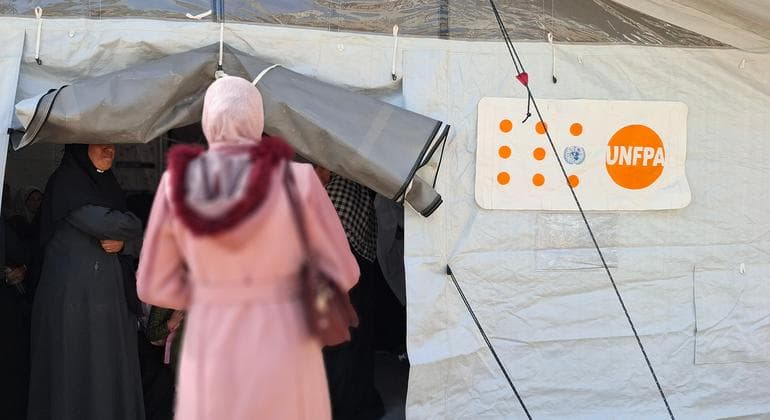
Amidst reports of UN support aiding Gaza mothers, the real story is the catastrophic failure of local healthcare infrastructure.
Key Takeaways
- •The reliance on UN support for childbirth signals a total collapse of local healthcare infrastructure, not just a temporary strain.
- •The focus on maternal care acts as a political distraction from the broader, catastrophic failure of systemic services.
- •The current aid model risks creating 'Managed Scarcity,' locking the region into long-term dependency on external providers.
- •The true long-term danger lies in the erosion of local medical expertise and institutional capacity.
The Unspoken Truth: Birth as a Political Barometer
The news reports are carefully curated: UN support flows into a besieged territory, helping mothers give birth. It sounds like a humanitarian success story. But strip away the veneer of goodwill, and what you find is a chilling indictment of systemic collapse. This isn't about celebrating successful deliveries; it's about acknowledging that the entire Gaza health system has been reduced to functioning only on the charity of international bodies.
The focus on maternal health—a universally sympathetic topic—serves as a critical distraction. While saving a newborn is paramount, the fact that childbirth, the most basic measure of societal stability, now requires emergency external intervention reveals a deeper, more dangerous truth. Who truly benefits from this narrative? The UN gains necessary visibility and justification for its presence, while the catastrophic failure of governance and infrastructure remains the background noise.
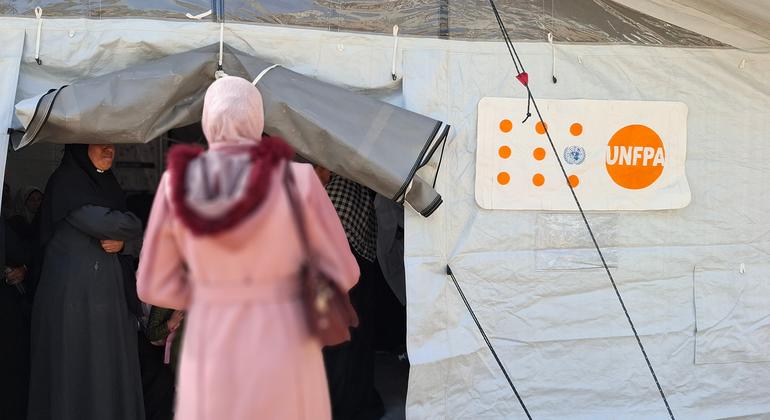
Deep Analysis: The Economics of Dependency
This reliance on aid for fundamental services like obstetrics creates a dangerous economic feedback loop. When local capacity erodes—hospitals bombed, supply chains severed, staff fleeing—dependency hardens into a permanent state. We are not witnessing a temporary crisis response; we are witnessing the **de-institutionalization** of care. The recurring theme here is the weaponization of necessity. Every successful birth facilitated by an external agency reinforces the narrative that local self-sufficiency is impossible, thereby justifying long-term, external control over essential services.
Consider the long-term implications for public health beyond immediate maternity wards. If basic sanitation, immunization programs, and chronic disease management—all pillars of a functioning society—are equally dependent on fragile supply lines, the next wave of crisis won't be a shortage of delivery kits; it will be an outbreak of preventable disease. The keywords here are **public health crisis**, and the current focus obscures the scale of this impending disaster.
What Happens Next? The Prediction of 'Managed Scarcity'
The short-term future is predictable: more highly publicized, small-scale aid successes that mask widespread suffering. But the bold prediction is this: **We are entering an era of 'Managed Scarcity' in Gaza.** International actors, having established the precedent that they are the sole providers of life-saving care, will struggle to withdraw. This creates a perverse incentive structure where the complete rebuilding of a self-sustaining Gaza health system becomes politically undesirable for key external players.
Why? Because a fully functional, independent system diminishes the immediate leverage of humanitarian intervention. Expect aid distribution to become increasingly targeted, focusing on highly visible, photogenic successes (like childbirth) while systemic failures in less visible areas (like mental health or chronic care) fester and grow. This controlled narrative ensures that aid continues, but true sovereignty over well-being remains outsourced. This dynamic is crucial for understanding future aid strategy globally.
The Hidden Losers
The real losers are the local medical professionals whose expertise is sidelined, and the long-term stability of the population, which is tethered to the fluctuating political will of foreign donors. This is more than a humanitarian story; it's a geopolitical case study in dependency creation. For more on the challenges of medical aid delivery, see reports from organizations like Doctors Without Borders on conflict zones [Source: Reuters].
Frequently Asked Questions
What is the primary challenge facing the Gaza health system beyond maternity care?
The primary challenge is the systemic breakdown across all sectors, including the severe shortage of essential medicines for chronic conditions, lack of functioning sanitation infrastructure, and the near-total disruption of primary care and trauma services, as documented by organizations monitoring the conflict.
How does UN support for mothers impact the political situation?
While providing immediate relief, UN intervention validates the necessity of external oversight. It inadvertently reinforces the narrative that local governance cannot sustain basic life functions, which can affect future political negotiations regarding autonomy and reconstruction.
What is the long-term risk of relying on international aid for basic services?
The long-term risk is the creation of a permanent state of dependency where rebuilding local capacity is deprioritized in favor of managing ongoing crises, leading to institutional atrophy and vulnerability to future shocks.
Related News

The Real Reason South Africa is Training Border Health Agents (It’s Not Just the Next Flu)
South Africa's new frontline health security cohort graduates signal a massive geopolitical shift in pandemic preparedness. Who benefits?

The Real Winner of the US-WHO Split: It's Not Who You Think
The US withdrawal from the WHO isn't just a political spat; it's a strategic realignment that benefits Beijing more than Washington. Analyze the geopolitical fallout.

The Real Reason the US Abandoned the WHO: It Wasn't About COVID, It Was About Sovereignty
The US withdrawal from the WHO signals a tectonic shift in global health governance. This isn't just about pandemics; it's about the future of national sovereignty.
