The Tech Cult: Why 'Technology' Isn't the Answer, It's the New Opium of the Masses

Forget the hype. The real story behind the 'technology is everything' narrative reveals a dangerous consolidation of power and intellectual laziness.
Key Takeaways
- •Technology is currently a tool for power consolidation, not an inherent solution to societal problems.
- •The constant focus on tech progress distracts from necessary ethical governance and accountability.
- •The next major trend will be 'Re-Localization'—a cultural shift prioritizing autonomous, transparent systems.
- •Blind faith in 'technology' masks the increasing centralization of control in a few major corporations.
The Cult of the Algorithm: Why We Stopped Thinking and Started Clicking
The breathless assertion—often echoed in boardrooms from Mumbai to Silicon Valley—that the answer to every complex societal problem is simply technology is not merely optimistic; it is intellectually bankrupt. This narrative, widely disseminated by outlets like Forbes India, serves a far more insidious purpose than simple reporting: it functions as a powerful opiate for the masses, distracting us from the urgent need for genuine policy, ethical reform, and human accountability. We are drowning in digital transformation buzzwords while the real drivers of inequality accelerate.
The unspoken truth is this: 'Technology' is not a solution; it is a tool, currently wielded by a hyper-concentrated elite. When we laud technological progress as the universal panacea, we tacitly grant unchecked power to the handful of corporations that own the infrastructure. They profit from the problem (data harvesting, platform addiction) and then sell us the 'solution' (a new app, a better AI model). This cyclical dependency is the real endgame of modern innovation.
The Hidden Losers in the Tech Utopia
Who truly loses when everything becomes 'technology'? The answer is twofold: the human intellect and the small business owner who cannot afford the platform tax. We are outsourcing critical thinking to search engines and outsourcing civic discourse to engagement algorithms. Consider the recent explosion in AI ethics debates. These debates are necessary, but they often become complex exercises in PR management for the very companies creating the ethical dilemmas. The public is placated with white papers while deeper regulatory capture proceeds unimpeded. This is not progress; it’s sophisticated deflection.
We must look beyond the glossy surface of cutting-edge technology. The consolidation of cloud infrastructure, the monopolistic control over foundational models, and the near-perfect surveillance capabilities baked into our 'smart' devices paint a picture of technological feudalism, not democratic advancement. Read about the history of industrial monopolies to understand the pattern; the actors have changed, but the playbook remains identical. (See the historical context of early 20th-century trusts on Wikipedia for comparison).
Where Do We Go From Here? The Great Re-Localization
My prediction is that the next major disruptive wave will not be another incremental software update, but a profound cultural backlash against centralized digital control. We are witnessing the seeds of a 'Great Re-Localization.' People are growing weary of being products. Future innovation won't be celebrated for its complexity, but for its autonomy and transparency. Expect a surge in open-source hardware movements, decentralized autonomous organizations (DAOs) that actually serve communities rather than speculators, and a premium placed on non-digital, craft-based skills that AI cannot replicate effectively.
Governments that fail to mandate data sovereignty and enforce true interoperability—breaking the chokehold of Big Tech—will find their economies lagging, not because they lack innovation, but because they lack the political will to govern the powerful. The shift won't be about building better tech; it will be about building better boundaries around the tech we already have. The era of blindly accepting 'technology' as the answer is ending; the era of demanding accountability is beginning.
Gallery


Frequently Asked Questions
What is the primary danger of viewing technology as the sole answer to complex issues?
The primary danger is intellectual laziness and the outsourcing of human agency. It allows powerful entities to avoid structural accountability by promising a technical fix for deeply rooted social or economic problems.
What does 'technological feudalism' mean in the current context?
It refers to a system where a small number of corporations control the essential digital infrastructure (platforms, data, AI models), effectively creating a new class structure where users and small businesses are dependent vassals.
What is the predicted counter-movement to centralized digital control?
The predicted counter-movement is 'Great Re-Localization,' focusing on decentralized, open-source, and autonomous systems, valuing human-centric skills over purely digital ones.
Why is data sovereignty important for future economies?
Data sovereignty ensures that national or individual data remains under local jurisdiction, preventing foreign or monopolistic entities from exploiting it without regulation or consent, thereby protecting economic competitiveness and privacy.
Related News

The AI Gold Rush: Why Tech M&A Is Drying Up for Everyone But the Titans
Fewer, larger tech M&A deals signal a brutal consolidation phase. The AI revolution isn't democratizing; it's centralizing power.

The Tech Pantheon is Dead: Why Celebrating 25 Years of 'Pioneers' Hides the Real Power Grab
Forget the celebratory lists. The real story behind 25 years of technology pioneers is the consolidation of power, not innovation.
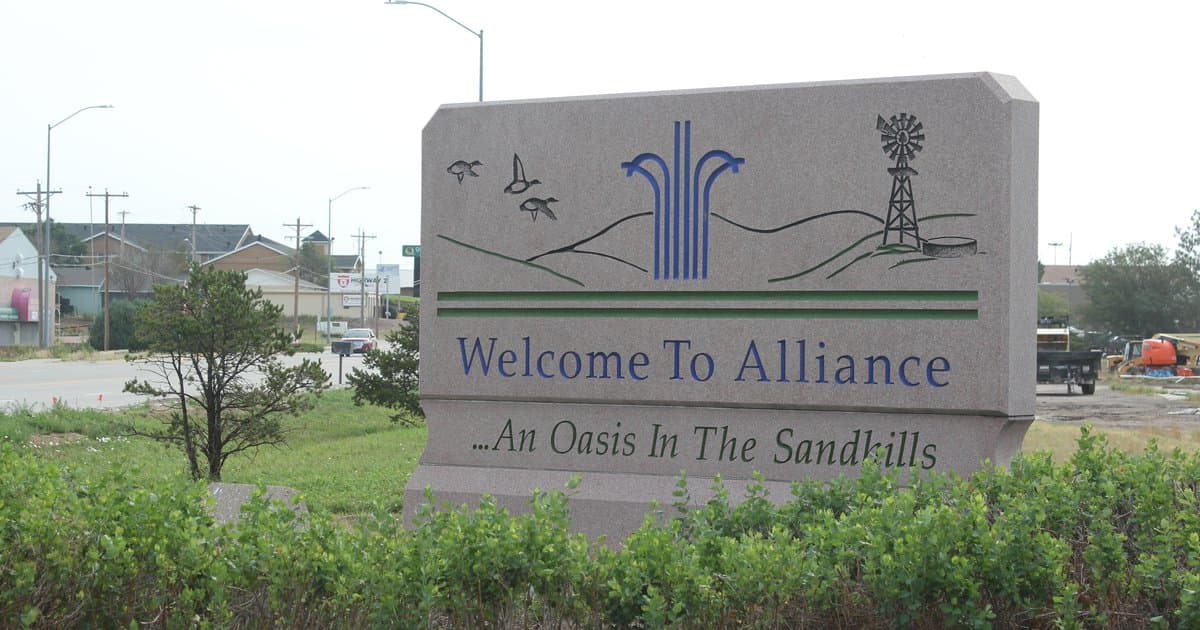
The Hidden Cost of 'Tech-Enabled' Policing: Are Body Cams Just Digital Handcuffs for the Mentally Ill?
Alliance PD deploys new mental health tech. But is this real reform, or just data collection disguised as compassion? Analyzing the future of police technology.

DailyWorld Editorial
AI-Assisted, Human-Reviewed
Reviewed By
DailyWorld Editorial