The Sustainability Mirage: Who Really Profits When Science 'Bridges the Gap' with Policy?

The push for 'Science Platform Sustainability 2030' promises transformation, but the unspoken truth is that bureaucracy, not breakthrough, is the real winner in this policy dance.
Key Takeaways
- •The Science Platform 2030 initiative risks creating a new layer of administrative overhead that benefits mediators over actual innovators.
- •Centralizing scientific validation within policy frameworks favors established institutions over disruptive R&D.
- •The unspoken winner is the regulatory compliance industry that profits from navigating these complex 'bridging' systems.
- •Future progress depends less on scientific breakthrough and more on controlling the definition of 'sustainability' metrics.
The Hook: Open Access or Open Wallets?
We are constantly told that the next great leap for humanity hinges on better communication between ivory-tower science funding and the messy reality of governance. The latest iteration of this plea is the 'Science Platform Sustainability 2030' initiative—a noble-sounding mandate to bridge the gap between empirical data and sustainable transformation policy. But let's be clear: this isn't about saving the planet; it’s about creating a new, heavily subsidized ecosystem for consultants, lobbyists, and bureaucrats. The real question isn't whether science should inform policy, but whose science, and whose policy?
The 'Meat': Bureaucracy as the Ultimate Disruptor
The concept of integrating robust scientific knowledge into national and international policy frameworks sounds undeniably good. Who opposes data-driven decisions? This is precisely the trap. The 'sustainability transformation' narrative has become the hottest commodity in global finance and government spending. When you mandate a 'bridge' between two massive entities—academia (seeking grants and relevance) and government (seeking legitimacy and justification for spending)—the bridge itself becomes the most valuable piece of real estate. We see a massive influx of third-party organizations, think tanks, and 'sustainability auditors' whose primary function is translating complex data into palatable policy briefs. This is a job creation scheme disguised as an existential imperative. The primary beneficiaries aren't the climate scientists; they are the mediators who speak both languages fluently.
Consider the sheer volume of research and development required to meet these 2030 targets. It demands standardized metrics, cross-border data sharing, and regulatory harmonization. This centralization of data governance creates immense power for the platforms facilitating it. This is the hidden agenda: control over the narrative of 'progress' through control over the data infrastructure.
The Deep Dive: Why This Slows Down Real Innovation
The focus on creating these formalized 'platforms' inevitably prioritizes consensus and slow-moving, politically safe research over disruptive, high-risk innovation. True transformation rarely comes from committee reports; it comes from unexpected breakthroughs that often challenge the established order. When every piece of science funding must fit neatly into a pre-approved policy lane—a lane defined by the current political climate—we incentivize incrementalism. We are effectively building guardrails so high that genuine paradigm shifts become impossible to fund or implement.
The winners here are established research institutions with the administrative overhead to manage compliance, and large corporations who can afford the compliance departments needed to navigate the resulting regulatory thicket. The scrappy startup with a truly revolutionary, but currently un-vetted, technology gets drowned in paperwork before it ever sees the light of day. This is the cost of 'bridging the gap'—we sacrifice speed for perceived stability.
What Happens Next? The Regulatory Capture of 'Green'
My prediction is that by 2027, the 'Sustainability 2030' frameworks will not have accelerated transformation; they will have solidified regulatory capture by the entities that built the platforms. We will see an explosion in 'sustainability compliance' industries that generate enormous revenue by auditing adherence to metrics established by the very platforms they helped design. Scientific input will become less about discovery and more about validation of existing corporate or governmental strategies. The real battle won't be against climate change; it will be a bureaucratic war for the definition of 'sustainable success' itself. For a deeper look into the mechanics of policy influence, see the work done by organizations analyzing lobbying influence on environmental law, such as reports often covered by outlets like Reuters.
Key Takeaways (TL;DR)
- The 'Science Platform' initiative primarily benefits the administrative class of consultants and policy brokers, not necessarily frontline researchers.
- Mandating scientific integration risks stifling disruptive innovation in favor of politically safe, incremental research.
- The focus shifts from achieving scientific goals to mastering the regulatory compliance required by the new frameworks.
- Expect significant growth in the 'sustainability auditing' sector as a direct result of these platform mandates.
Frequently Asked Questions
What is the primary criticism of formalizing science-policy interfaces?
The main criticism is that formalizing these interfaces can lead to 'regulatory capture,' where the process becomes dominated by entities that benefit from compliance requirements, potentially slowing down radical scientific breakthroughs in favor of politically palatable, incremental changes.
Who are the hidden beneficiaries of large-scale sustainability platforms?
The hidden beneficiaries are often third-party consulting firms, specialized data management platforms, and lobbying groups that act as necessary intermediaries translating complex scientific findings into actionable, politically acceptable policy documents.
How does this affect small-scale scientific research?
Small-scale or unconventional research often lacks the administrative infrastructure to navigate complex compliance and reporting mandates required by large policy platforms, effectively sidelining potentially revolutionary findings.
What does 'Science Funding' look like in this new environment?
Science funding increasingly favors projects that align clearly with established sustainability goals and possess robust plans for policy integration and measurable compliance metrics, sometimes prioritizing administrative feasibility over pure scientific novelty.
Related News

The Silent Coup: How One Scientist's Pivot Reveals the UK's Dangerous Science-to-Policy Pipeline
Dr. Thanuja Galhena's jump from materials science to UK policy isn't a success story—it's a warning about captured expertise.

The Evolution Trust Crisis: Why Doubting Scientists on Darwin Isn't Just About Faith Anymore
The debate over **evolutionary theory** is shifting. It’s no longer just faith vs. science; it's about institutional trust and **scientific consensus** in the age of information warfare.
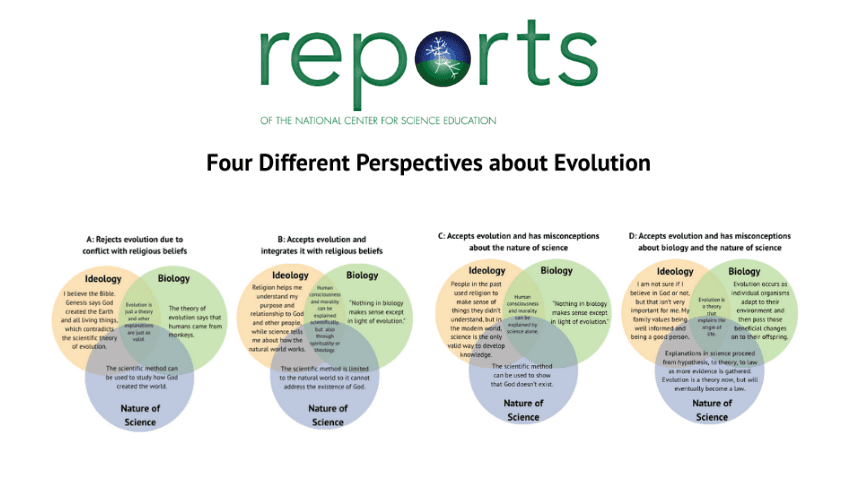
The Invisible War: Why the New Science Journal Release Hides a Bigger Battle Over Education
The latest RNCSE issue is out, but the real story is the escalating culture war over science education standards.

DailyWorld Editorial
AI-Assisted, Human-Reviewed
Reviewed By
DailyWorld Editorial