The Stockholm Secret: Why the EU's New 'Global Health Network' Is Really About Sovereignty, Not Safety

The recent Stockholm meeting on the Global Outbreak Alert and Response Network signals a massive power shift in global health security.
Key Takeaways
- •The meeting signals a shift towards centralized EU health operational power, bypassing traditional global bodies when speed is essential.
- •The primary beneficiary is the ECDC, gaining expanded authority over national responses in a crisis scenario.
- •This move prioritizes European economic and political stability over purely multilateral health governance.
- •Expect future conflicts between EU-mandated alerts and WHO declarations.
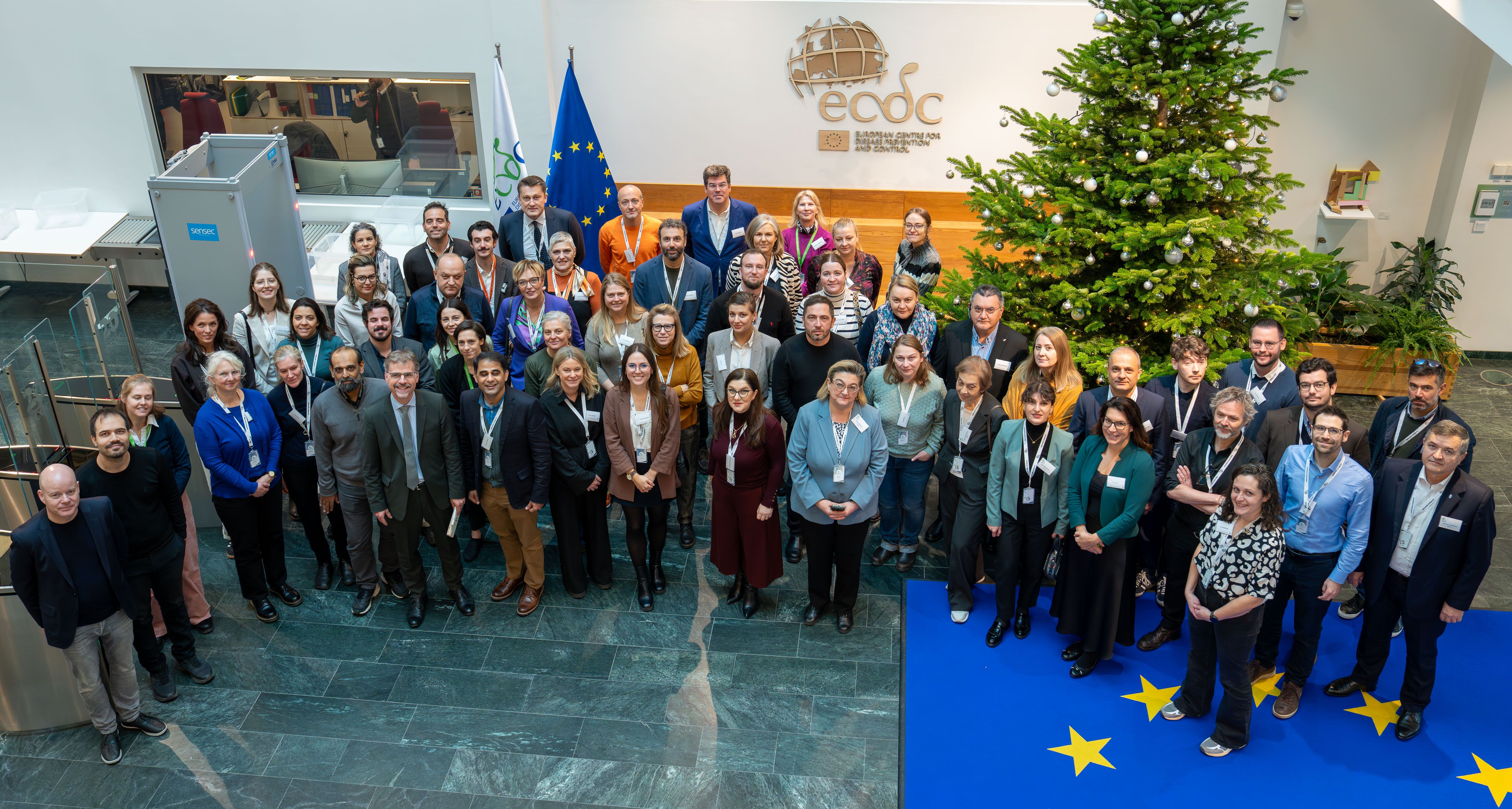
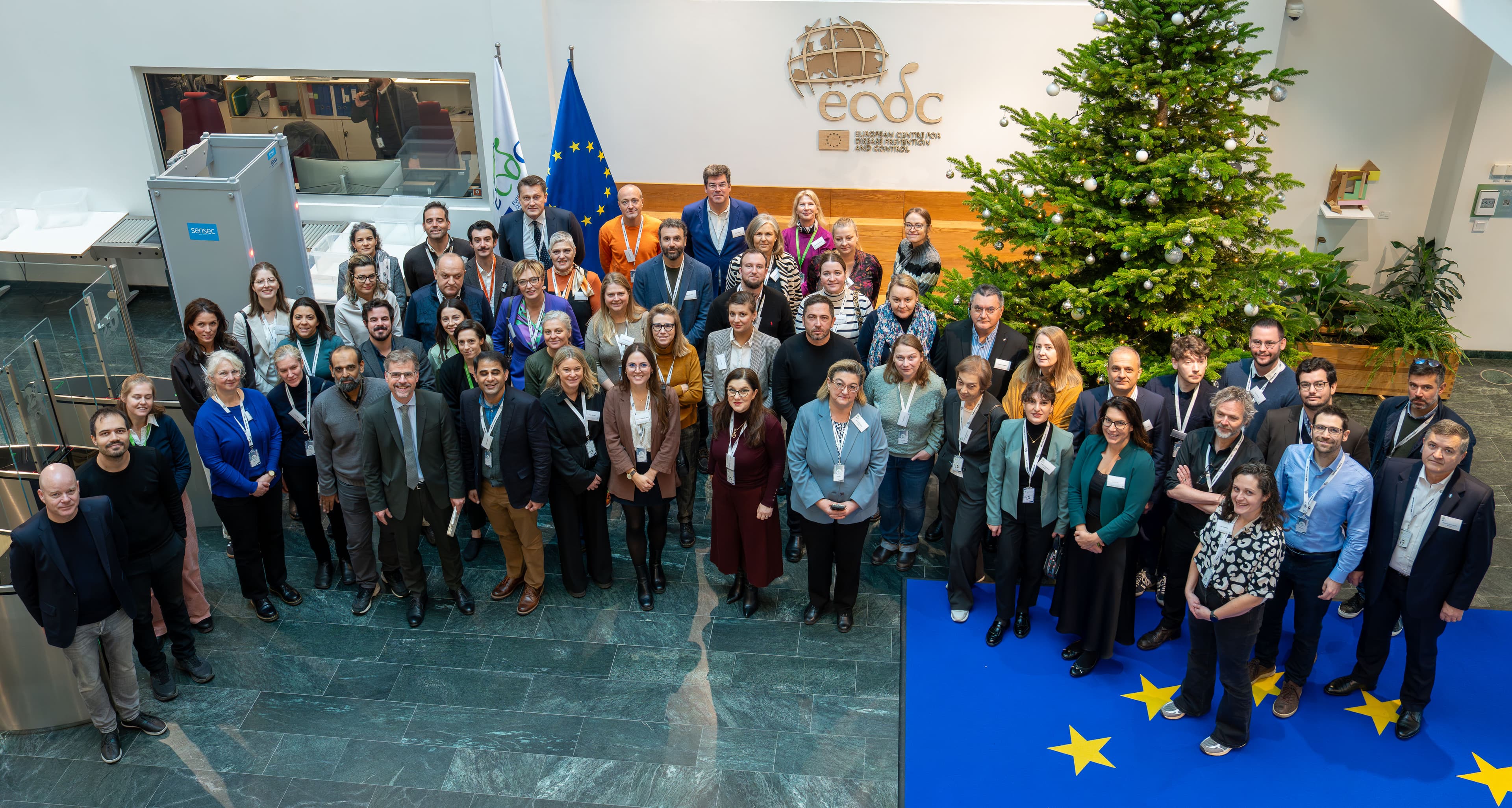
The recent conclusion of the EU Health Task Force Partner Forum and the Global Outbreak Alert and Response Network (GOARN) regional meeting in Stockholm was quietly framed as a triumph of international cooperation. But peel back the veneer of collaborative press releases from the European Centre for Disease Prevention and Control (ECDC), and you find a far more telling story: a calculated, strategic consolidation of power.
The Unspoken Truth: Centralization is the New Contagion
While public messaging focuses on preparedness for the next pandemic—a noble goal, certainly—the real victory here belongs to Brussels. This isn't just about sharing data quicker; it’s about establishing an ironclad, centralized European defense architecture that bypasses traditional WHO frameworks when crisis demands it. The global health security landscape is shifting, and the EU is ensuring it holds the steering wheel.
Who loses? National health ministries that rely on slow, consensus-driven decision-making. Who wins? The ECDC and the EU bureaucracy, which gain the mandate, the funding, and the operational readiness to act unilaterally. This move transforms Europe from a patchwork of national responses into a singular, coordinated entity. This consolidation is critical for maintaining market stability during crises, a key economic driver disguised as public health policy.
Deep Analysis: Sovereignty vs. Speed
The pandemic response failures of 2020 were not just logistical; they were political. Nations guarded resources, closed borders abruptly, and prioritized domestic supply chains. The creation of a robust EU-centric alert and response network—strengthening bodies like the ECDC—is the direct response to that fragmentation. It’s an admission that relying solely on global mechanisms, like the often-paralyzed World Health Organization, is insufficient when time is measured in hours, not weeks. For a deeper dive into the WHO's structural challenges, see reports from institutions like the Council on Foreign Relations regarding global governance.
This shift signals a permanent recalibration. National sovereignty in health matters is being quietly traded for operational speed and collective economic resilience. The next time a pathogen emerges, the EU’s internal network will move first, standardizing protocols across member states faster than any external body could mandate. This is a proactive assertion of European strategic autonomy in the face of global instability.
What Happens Next? The Prediction
Prediction: Within the next 18 months, expect significant friction between the ECDC’s strengthened operational mandate and the WHO’s traditional lead role in outbreak declaration. We will see instances where the EU, leveraging its integrated data from the Health Task Force, declares a high alert level for a specific region *before* the WHO officially endorses the classification. This divergence will force international partners to choose between following the EU’s rapid, integrated guidelines or adhering to the slower, more bureaucratic global consensus. This competition for authority will define the next decade of **pandemic preparedness**.
The focus on infectious disease surveillance is paramount, but the underlying theme is geopolitical positioning. Europe is building its own fortress, and the Stockholm meeting was merely the blueprint presentation.
Gallery
Frequently Asked Questions
What is the Global Outbreak Alert and Response Network (GOARN)?
GOARN is a partnership of organizations that provides a mechanism for the rapid deployment of expert staff and resources to support in-country outbreak response efforts globally, often coordinated through the WHO.
What is the significance of the EU Health Task Force?
The EU Health Task Force aims to improve the EU’s collective preparedness and response capacity, ensuring coordinated action across member states during health crises, moving beyond simple recommendations to more integrated operations.
How does this impact national sovereignty in health matters?
By creating a strong, centralized EU operational mechanism, member states implicitly cede some immediate decision-making autonomy in exchange for the speed and resources of a coordinated European bloc during emergencies.
What are the key challenges in global health security currently?
Key challenges include political fragmentation, ensuring equitable access to countermeasures, and overcoming the lag time inherent in multilateral decision-making processes, as highlighted by recent global events.
Related News
The African Health Workforce Compact: Who Really Wins When the Continent Invests in Itself?
The Africa CDC's Health Workforce Compact is hailed as a win, but we dissect the hidden costs and the real power shift in continental healthcare investment.
The Public Health 'Upskilling' Lie: Why Data Scientists, Not Doctors, Will Own the Next Crisis
The push for new public health skills ignores the real power shift: from epidemiology to algorithmic control.
