The Silent Revolution: Why the Question of Snail Pain Will Collapse Fine Dining Forever
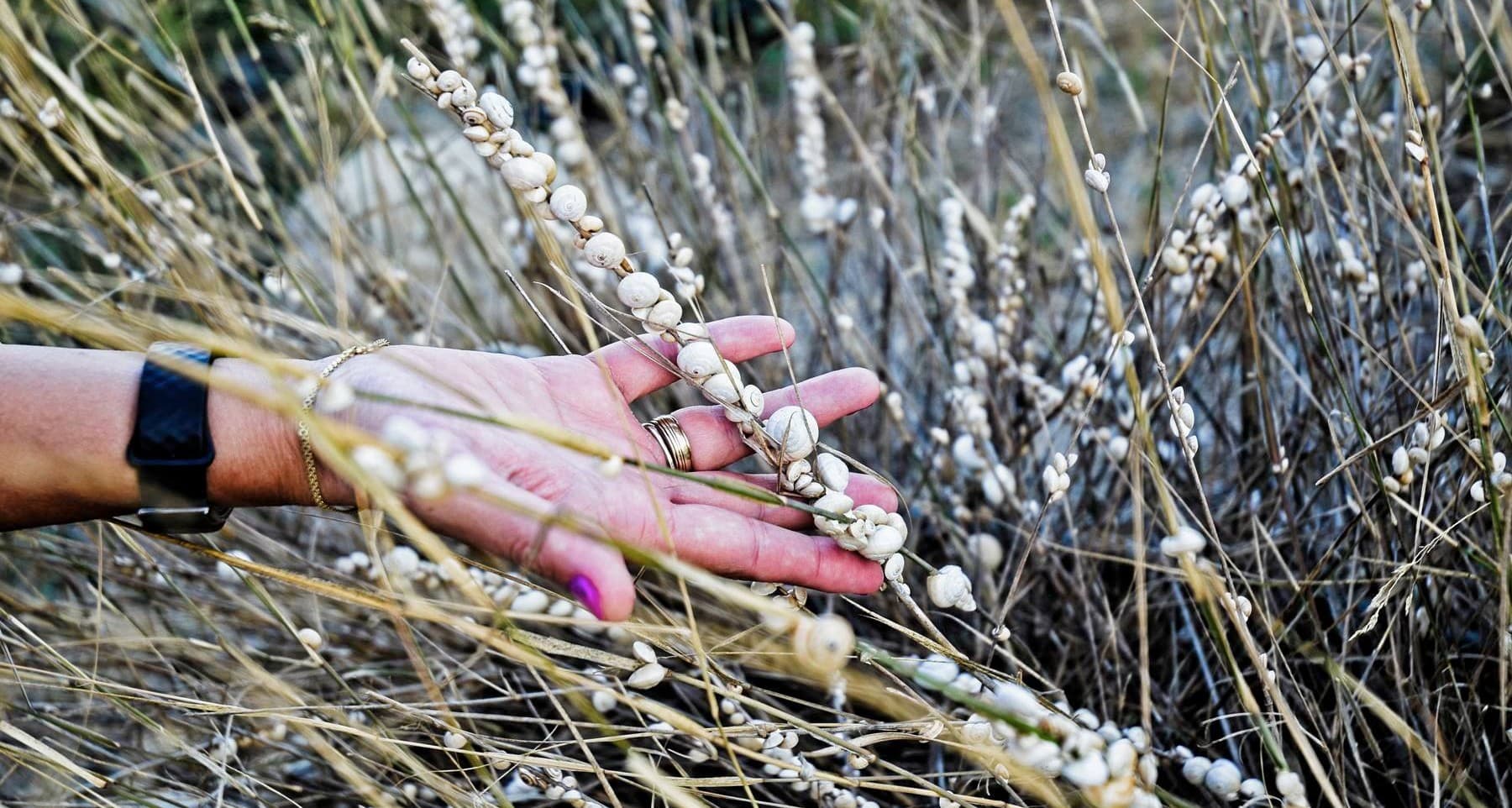
Forget ethics debates; the science on snail sentience is a ticking economic bomb for gastronomy. Are you ready for the fallout?
Key Takeaways
- •Scientific evidence strongly suggests snails possess the capacity to feel pain, moving the debate beyond mere speculation.
- •The true winners will be synthetic food producers who capitalize on the ethical instability of traditional snail farming.
- •The snail issue sets a dangerous precedent, potentially accelerating ethical scrutiny on crustaceans and cephalopods.
- •Expect traditional escargot to become a rare, expensive luxury item within five years due to ethical liabilities.
The Hook: Are You Eating a Vegetable or a Victim?
The question of whether snails feel pain has always been relegated to the fringes—a niche concern for vegetarians and esoteric philosophers. But recent scientific consensus is shifting this from a moral quandary to an imminent economic and culinary crisis. We aren't just talking about escargot; we are talking about the fundamental stability of centuries-old culinary traditions. The real story isn't the biology; it's the impending market collapse for high-end European dining.
The consensus is hardening. Advanced studies using electrophysiological monitoring and behavioral assays suggest that gastropods—the phylum that includes snails and slugs—possess nociceptors and exhibit complex avoidance behaviors that strongly indicate the capacity for negative affective states. This isn't just reflex; it’s the nascent capacity for suffering. For too long, the ambiguity surrounding snail sentience allowed the industry to operate under a convenient ethical fog. That fog is lifting.
The Unspoken Truth: Who Really Wins When Escargot Dies?
The immediate losers are obvious: Michelin-starred restaurants and the massive French and Mediterranean snail farming industries. But the real winner? The synthetic food lobby and the burgeoning cellular agriculture sector. When a primary, low-cost, high-margin delicacy like the snail is suddenly deemed ethically untenable by the mainstream consumer—especially in high-spending Western markets—the vacuum will be filled by lab-grown alternatives. This isn't about animal rights; it's about disruptive innovation finding a weak spot in tradition. The hidden agenda is market capture, leveraging newfound scientific certainty to destabilize established supply chains.
Consider the economic scale. While not as large as the beef industry, the global market for edible land snails is significant, rooted deeply in cultural heritage. When a food item becomes a PR liability—think of the rapid decline of foie gras acceptance in certain regions—the market reacts violently. The snail pain science debate is the next pressure point. The industry will fight this science tooth and nail, but public perception, fueled by viral content, moves faster than regulatory capture.
Why It Matters: The Slippery Slope of Invertebrate Ethics
This isn't just about mollusks. If science conclusively proves sentience in snails, it forces an uncomfortable re-examination of crustaceans (crabs, lobsters) and cephalopods (octopus, squid). These creatures are already under intense scrutiny, but the snail, being so simple, acts as the perfect, low-hanging fruit for ethical escalation. If we accept the pain threshold for a snail, where do we draw the next line? This will drive massive investment into alternative proteins, rendering traditional fishing and farming methods increasingly risky ventures. This is the quiet revolution of the plate, driven by neuroscience.
What Happens Next? The Prediction
Within five years, expect to see major European culinary institutions begin quietly phasing out traditional escargot preparations, rebranding them as 'heritage dishes' unavailable due to 'supply chain volatility.' Simultaneously, expect a surge in venture capital funding for 'Invertebrate-Free Gastronomy.' The prediction is stark: **Escargot will become a niche, high-risk luxury item, much like caviar is today, rather than a staple appetizer.** Consumers will demand proof of origin and ethical sourcing that traditional farming simply cannot provide affordably, forcing an industry-wide pivot toward controlled environments or synthetic substitutes. This scientific shift will accelerate the automation of the food supply chain faster than any climate mandate.
For more on the ethics underpinning food production, see the ongoing discussions surrounding crustacean welfare: Reuters on Crustacean Sentience.
Frequently Asked Questions
What is the primary scientific evidence suggesting snails feel pain?
The evidence centers on the identification of nociceptors (pain receptors) in gastropods and observable, complex avoidance behaviors that go beyond simple reflex actions, indicating a negative affective state.
How does snail sentience affect the fine dining industry?
It creates an immediate ethical liability for dishes like escargot. As consumer awareness grows, restaurants risk alienating clientele, forcing them to either drastically alter sourcing methods or eliminate the dish entirely.
Are other invertebrates, like lobsters, affected by this science?
Yes. The scientific validation for snail pain opens the door for increased regulatory and public pressure on crustaceans (lobsters, crabs) and cephalopods (octopus), which are already subjects of intense ethical debate.
Related News

The Narcissism Trap: Why Your Own Face is the Ultimate Uncanny Valley and Who Profits From Your Self-Loathing
The science behind selfie cringe isn't just optics; it's a massive cultural feedback loop benefiting Big Tech.

The Dark Secret Behind Louisville's 'Glow Day': Why Science Centers Are Desperate for Your Attention
Louisville's science center hosts 'Glow Day' for STEM engagement, but the real story is the battle for relevance in a digital-first world. Analyze the hidden agenda.

The Sentience Lie: Why Science's New Animal 'Thinking' Claims Are Really About Human Guilt
The debate over animal consciousness isn't about biology; it's a desperate attempt to absolve humanity. Explore the real winners in this cognitive arms race.
