The Silent Epidemic: Why Cancer Survival is the New Mental Health Crisis for Millions
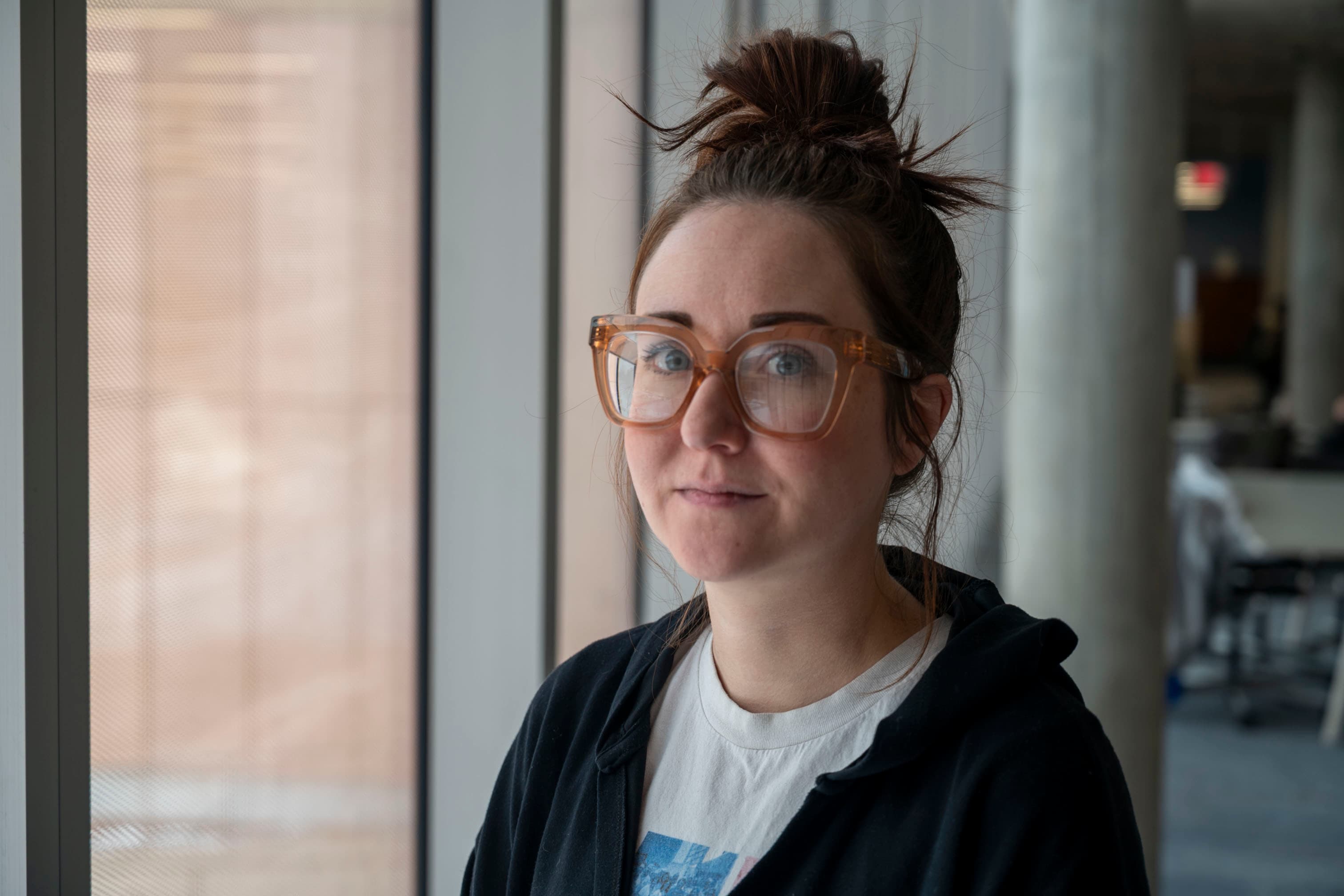
Iowa's cancer survival rates are up, but the hidden cost is a looming mental health crisis. Are we prepared for the survivor's burden?
Key Takeaways
- •The focus on increasing cancer survival rates ignores the high incidence of PTSD, anxiety, and depression among survivors.
- •The current healthcare reimbursement structure heavily penalizes long-term psychological support, prioritizing acute treatment.
- •Rural areas face a compounded crisis due to already limited access to specialized mental health professionals.
- •A major policy shift mandating integrated Psycho-Oncology is inevitable within the next five years to address this gap.
The headlines cheer: Cancer survival rates are climbing. In Iowa, as across the nation, medical science is delivering victories against the Big C. But this triumph masks a growing, systemic failure: the catastrophic neglect of survivorship care. We celebrate the cure, but we ignore the wreckage left behind in the minds of those who fought and won. This isn't just a health story; it’s a looming socio-economic crisis that the medical industrial complex is utterly unprepared to handle.
The Unspoken Truth: Victory is Traumatic
The narrative demands celebration—the patient rings the bell, the scans are clear, the battle is over. But for many, the end of treatment signals not relief, but a terrifying plunge into the unknown. This is 'post-treatment distress,' a catch-all term for anxiety, depression, PTSD, and an existential dread that conventional oncology rarely addresses. Who wins here? The pharmaceutical companies selling side-effect management drugs, and the oncology centers ticking boxes for survival metrics. Who loses? The survivor, abandoned by a system optimized for acute crisis management, not long-term psychological integration.
We are witnessing the creation of a vast population grappling with cancer survivorship issues. Think about it: a patient survives a year of grueling chemotherapy, only to spend the next decade terrified of recurrence, dealing with chronic fatigue, or struggling to redefine their identity after a body-altering ordeal. This is the hidden tax on medical progress. The data suggests that mental health challenges are not an anomaly; they are the expected, yet unbudgeted, sequel to survival.
The Systemic Blind Spot: Where Quality of Life Dies
Why is this happening? Because the healthcare reimbursement model incentivizes procedures, not long-term psychological support. Insurance codes favor the tumor removal over the trauma removal. Oncologists, burdened by crushing patient loads, simply do not have the time or specialized training to manage complex psychological fallout. This forces survivors into a brutal triage: either pay out-of-pocket for scarce specialized therapy or suffer in silence. This disparity disproportionately affects rural populations, like those in Iowa, where access to specialized mental health professionals is already threadbare. The system is built to conquer disease, not to heal people.
This isn't just about feeling sad. Untreated survivorship distress leads to higher rates of physical relapse risk, poor adherence to necessary follow-up care, and massive strains on families and public resources. Ignoring the psychological scars of cancer survivorship is fiscally irresponsible and morally bankrupt.
Where Do We Go From Here? The Prediction
The current siloed approach is unsustainable. My prediction is that within five years, the gap between physical survival rates and quality-of-life metrics will become so glaringly obvious that it will trigger a major legislative and insurance overhaul. We will see the mandated integration of Psycho-Oncology as a standard component of cancer care pathways, similar to how physical therapy became standard after orthopedic surgery. Furthermore, look for the rise of 'Survivorship Clinics'—not just for physical check-ups, but as mandatory psychological decompression zones, likely driven by non-profit or government initiatives, because private insurance will continue to resist covering the true, long-term cost of a cure.
The next great frontier in oncology isn't a new drug; it's the infrastructure to support the people who actually beat the disease. Failure to adapt means we are simply trading one form of suffering for another, creating a generation of medically 'cured' but psychologically broken citizens. This is the grim reality beneath the celebratory headlines about cancer survival rates.
Gallery



Frequently Asked Questions
What is post-treatment distress in cancer survivors?
Post-treatment distress is a spectrum of psychological challenges experienced after active cancer treatment ends, including fear of recurrence, anxiety, depression, fatigue, body image issues, and difficulty reintegrating into normal life.
Why aren't mental health services automatically covered for cancer survivors?
Coverage is often limited because the US healthcare system historically prioritizes active disease management (surgery, chemo, radiation) over long-term psycho-social support. Reimbursement models often do not adequately fund specialized psycho-oncology care.
What is the link between survivorship and physical health outcomes?
Untreated mental health issues in survivors can negatively impact physical health by leading to poor adherence to follow-up screenings, increased chronic stress, and potentially higher rates of physical side effects.
What is Psycho-Oncology?
Psycho-Oncology is the study and clinical practice concerning the psychological, social, and behavioral aspects of cancer, focusing on supporting patients and families throughout the entire cancer experience, including survivorship.
Related News

The MRFF Grant Illusion: Who Really Wins When Billions Are 'Invested' in Medical Research?
The latest Medical Research Future Fund (MRFF) grant recipients are announced, but the real story behind this massive health funding shift is about political capital, not just cures.

The 15 Drugs Trump Picked: Why Medicare Price Negotiation Is A Political Weapon, Not Just Policy
The new Medicare drug price negotiation list isn't about saving seniors money; it’s a calculated political strike against Big Pharma.

Gracie Gold’s New Role Exposes the Toxic Lie Behind Olympic Mental Health
Figure skater Gracie Gold pivots to mental health advocacy, but the real story is the system's failure to protect elite athletes.

DailyWorld Editorial
AI-Assisted, Human-Reviewed
Reviewed By
DailyWorld Editorial