The Secret Tax on Your Milk: How F1's 'Green Tech' is Hiding a Corporate Power Grab in Your Supermarket Fridge
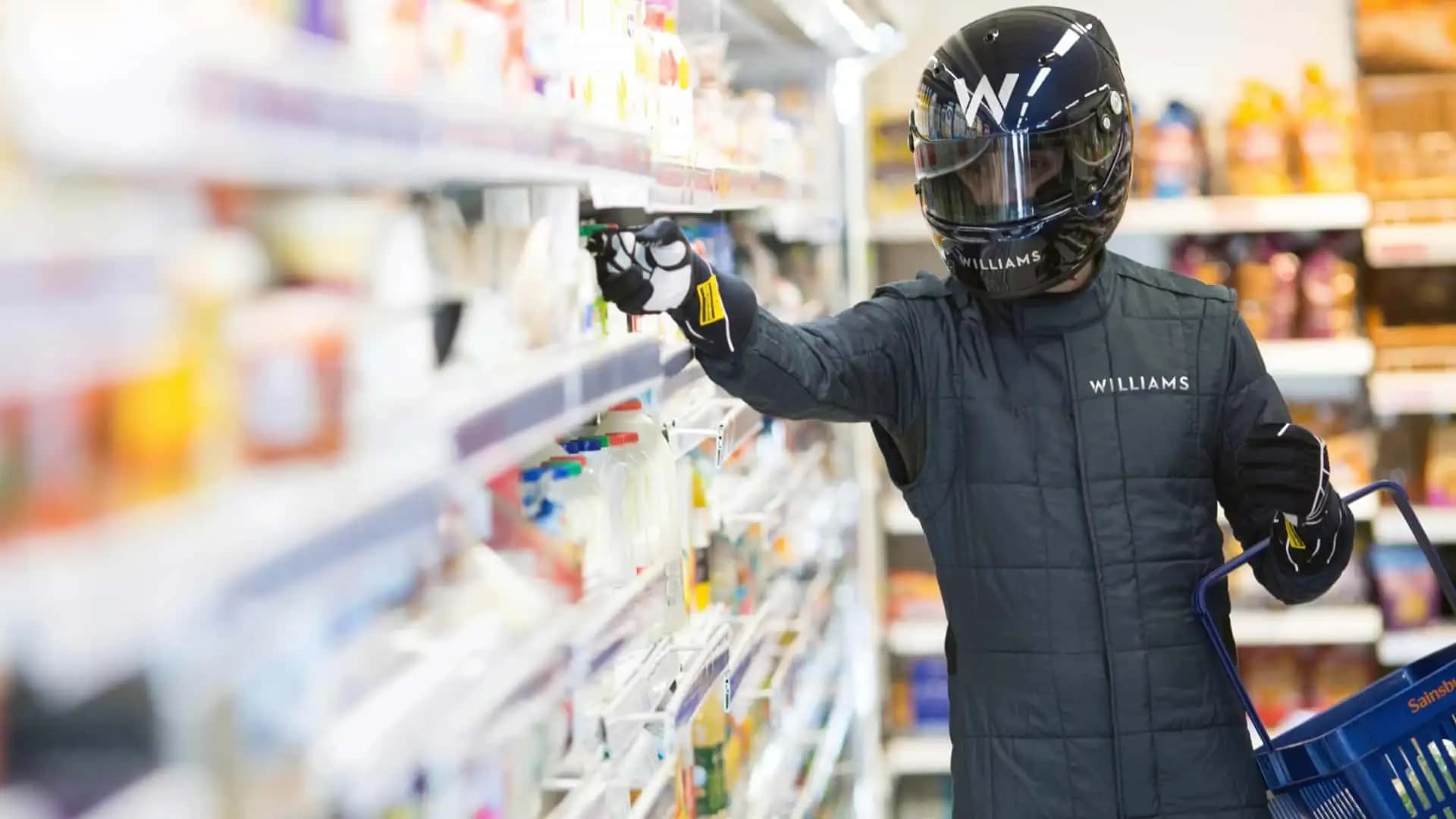
The supposed 'green revolution' in supermarket cooling, driven by F1 technology transfer, is less about saving the planet and more about securing lucrative B2B contracts.
Key Takeaways
- •The transfer of F1 cooling tech to supermarkets primarily benefits specialized engineering firms via massive infrastructure contracts, not consumers directly.
- •This creates vendor lock-in, making major grocery chains dependent on proprietary systems and vulnerable to price hikes.
- •The narrative serves as performance theatre, justifying F1 R&D while masking the true, high capital cost of the 'green' transition.
- •Expect market consolidation as smaller grocers cannot afford the high-entry barrier of the branded F1-adjacent solutions.
The Hook: When Did Your Grocery Bill Start Paying for the Monaco Grand Prix?
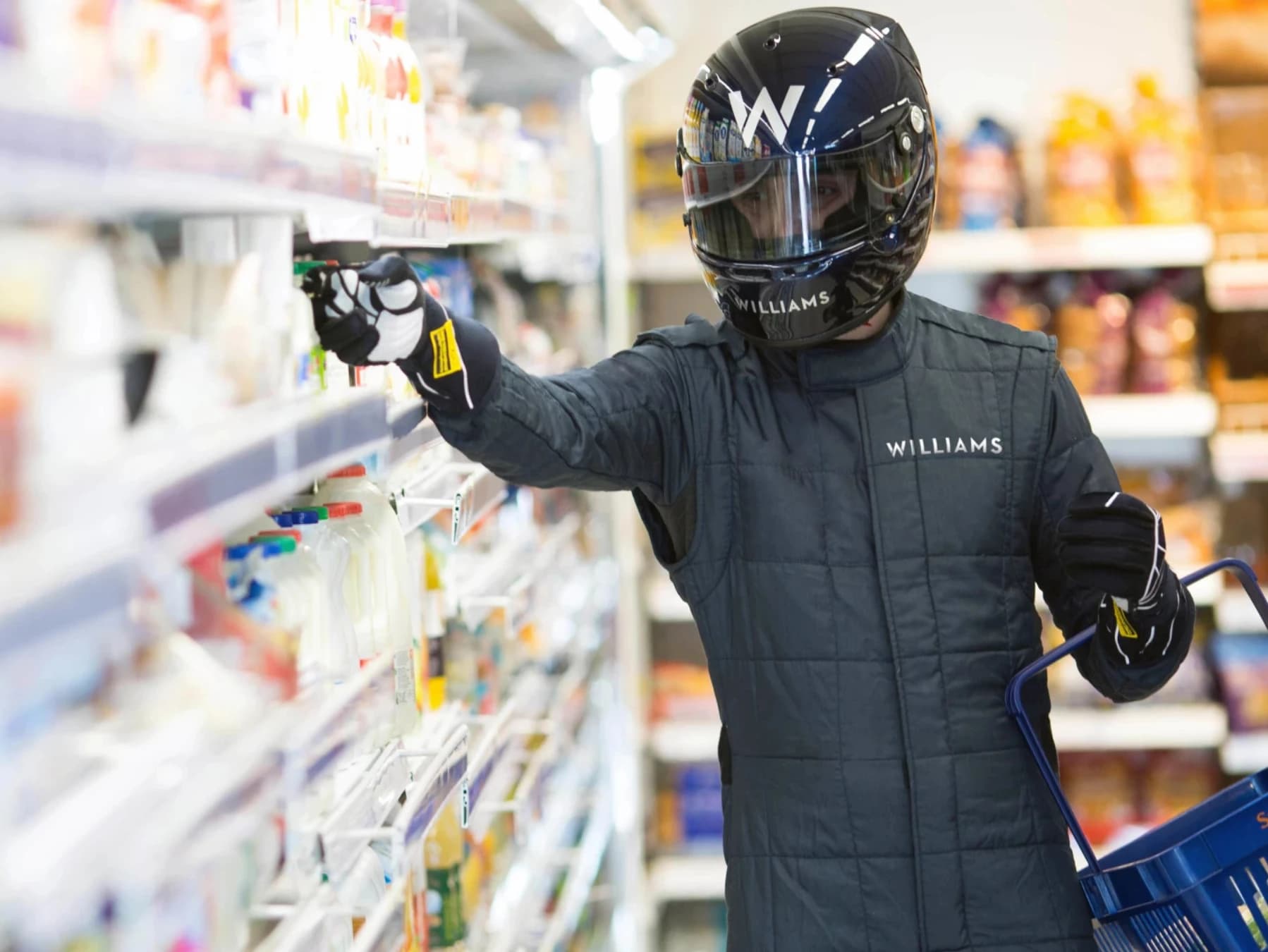
You think the most exciting technological transfer happening today is AI or quantum computing? Think again. The real battleground for cutting-edge engineering is the humble supermarket chiller. We are being told a comforting lie: that the same kinetic energy mastery honed on the racetrack—think Williams Racing and their climate-tech spin-offs—is now making your local dairy aisle more efficient. This narrative, pushing Formula 1 technology into consumer goods, is slicker than a freshly paved Eau Rouge corner. But peel back the vinyl wrap, and you find the true story isn't about saving the ozone layer; it's about proprietary lock-in and massive infrastructure upgrades.
The core claim is compelling: F1 teams, desperate to meet stringent sustainability targets, are pioneering hyper-efficient cooling systems using advanced thermodynamics and materials science. This expertise is supposedly trickling down to commercial refrigeration units, promising massive energy savings for grocery chains. This is the surface-level reporting we see everywhere—a feel-good story linking high-octane sport to everyday savings. But let’s analyze the economics of this supposed 'tech transfer.'
The Unspoken Truth: Who Really Pays for the 'Green' Upgrade?
The winners here are not the consumers paying pennies less on their soft drinks. The winners are the specialized engineering firms—often directly tied to F1 budgets and sponsors—who secure multi-billion dollar contracts to retrofit every major grocery chain. This isn't a simple software update; it requires ripping out existing infrastructure and installing complex, often patented, closed-loop systems. **The hidden cost is absorbed by the retailer, which, as history proves, is inevitably passed on to the consumer.**
Furthermore, this dependency creates a dangerous technological monoculture. When an entire sector relies on proprietary systems developed by a handful of F1-adjacent engineering houses, competition dies. If a supplier suddenly hikes maintenance fees or a critical component becomes scarce, every major supermarket chain is vulnerable. This isn't **sustainable technology**; it's strategic vendor consolidation disguised as environmental stewardship. We are trading energy efficiency for corporate dependency.
Deep Analysis: The Performance Theatre of Sustainability
Formula 1 is the ultimate theatre of performance. Its mandate is to look fast, look innovative, and look clean. The technology transfer narrative serves a dual purpose: it justifies the massive R&D budgets within F1, and it provides a powerful marketing tool for the grocery industry. Consumers feel good buying from 'eco-friendly' chains, even if the actual impact on their utility bill is negligible compared to the massive upfront capital expenditure.
The real innovation in commercial cooling often comes from incremental, boring advancements in insulation, sensor arrays, and load management—areas far removed from the glamour of hybrid power units. F1 serves as the **high-visibility catalyst**, lending credibility to otherwise standard industrial upgrades. We must question the motives: Is this about achieving Net Zero, or is it about securing the next decade's maintenance revenue stream? Look at the investment flows; the money follows the brand recognition, not necessarily the superior engineering solution. For more on how high-level corporate sustainability claims often mask underlying economic realities, see reports from organizations like the World Resources Institute.
What Happens Next? The Refrigeration Cold War
My prediction is that within five years, we will see a sharp bifurcation in the retail market. On one side, large chains that adopted the F1-linked, high-CAPEX systems will boast impressive, but often audited, sustainability metrics. On the other, smaller, independent grocers who opted for simpler, non-proprietary energy upgrades will be undercut on initial investment but will maintain greater operational flexibility and lower long-term service costs. This divergence will lead to significant market consolidation, as smaller players cannot afford the 'green tax' associated with the high-profile **Formula 1 technology** transfer.
The next true breakthrough won't come from aerodynamics; it will come from decentralized, open-source cooling solutions, precisely because the proprietary F1 route is too expensive and too controlling for true widespread, democratic adoption.
Gallery
Frequently Asked Questions
What specific F1 technology is being used in supermarket fridges?
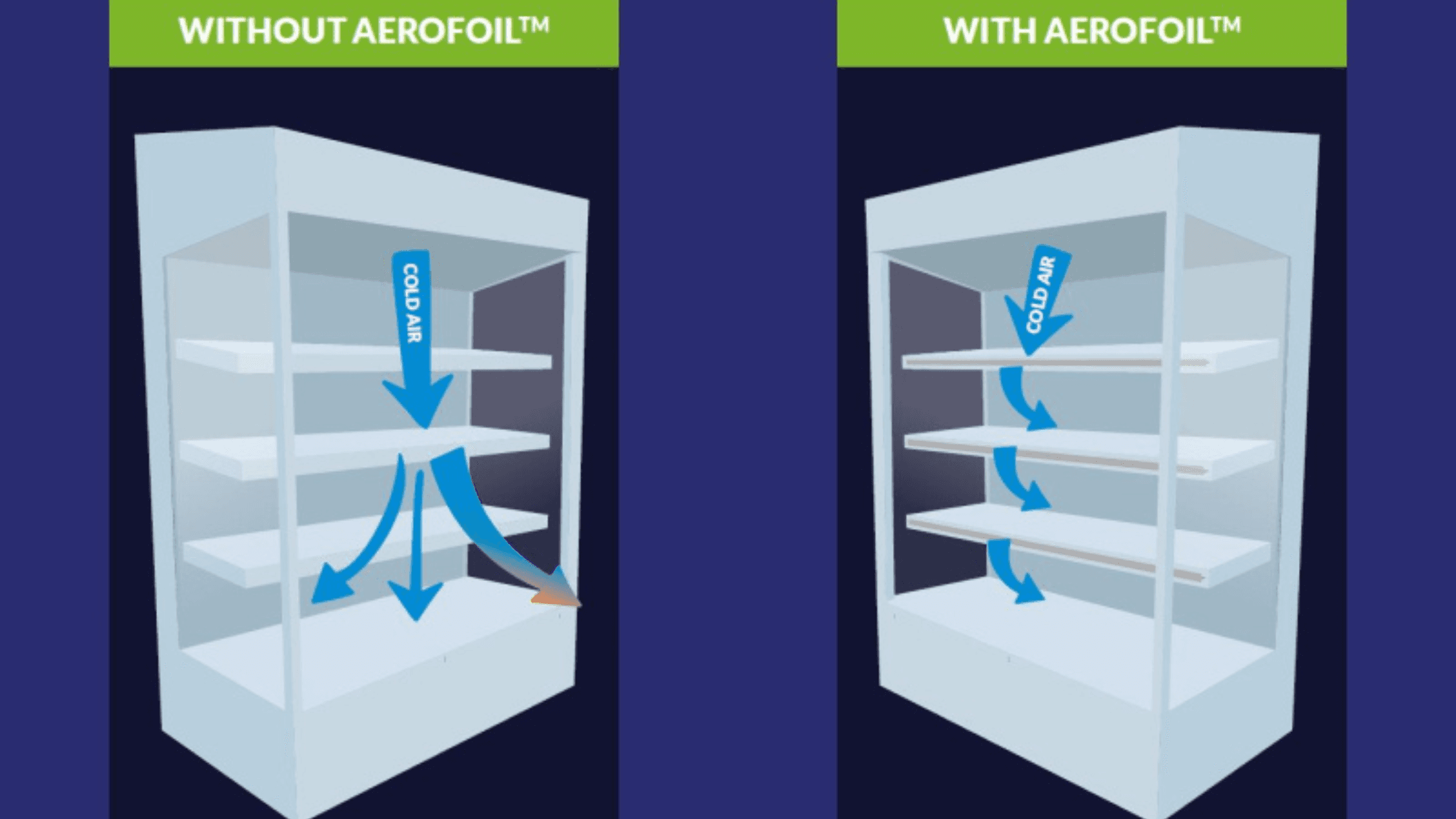
The technology generally involves advanced thermodynamic modeling, improved heat exchange materials, and highly efficient compressor control systems originally developed for F1's energy recovery systems (ERS) and cooling needs.
Is this technology actually reducing my energy bill?
While the systems are more efficient, the initial investment (CAPEX) is so high that any savings are often absorbed by financing costs or passed onto consumers through higher prices. The primary benefit is corporate ESG reporting.
Who are the main companies involved in this technology transfer?
Often, these are specialized engineering consultancies that work closely with F1 teams like Williams or Mercedes, leveraging their expertise for commercial applications, often involving major refrigeration equipment manufacturers.
Is this the best way to make refrigeration sustainable?
Many experts argue that incremental improvements in insulation, sensor technology, and better use of existing refrigerants offer more practical and cost-effective sustainability gains than relying on high-cost, performance-based motorsports solutions.
