The Real Reason Wes Streeting Is Reviewing Mental Health Diagnoses (It’s Not About Care)
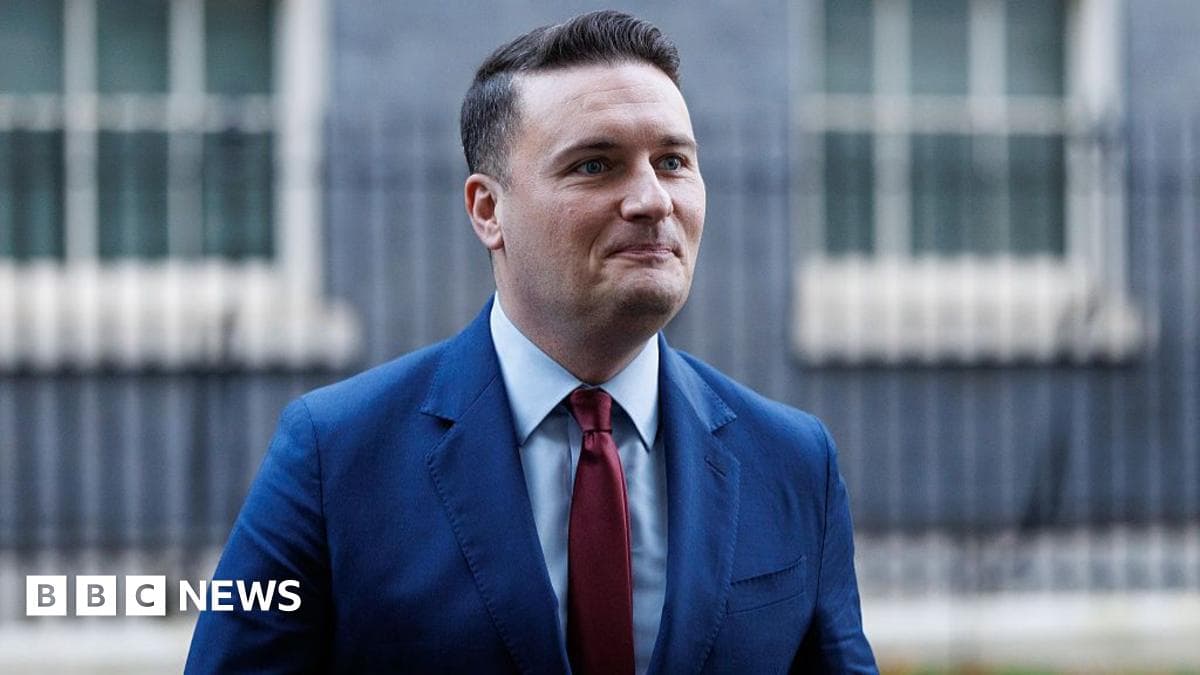
Wes Streeting's sudden review into ADHD and mental health diagnoses isn't about patient care; it's a desperate fiscal maneuver to curb soaring benefit claims.
Key Takeaways
- •The review is primarily driven by rising disability benefit costs, not solely clinical accuracy.
- •It risks re-stigmatizing mental health and neurodivergent conditions.
- •GPs are being scapegoated for systemic failures in specialist NHS provision.
- •The likely outcome is tightened diagnostic criteria, further delaying necessary support.
The Unspoken Truth: The Fiscal Panic Behind the Diagnosis Review
The news that Shadow Health Secretary Wes Streeting has ordered a review into the diagnosis rates for **mental health conditions**, ADHD, and autism is being framed by the media as a noble pursuit of diagnostic accuracy. Don't buy it. This isn't about catching charlatans or ensuring better patient pathways; this is about the impending collapse of the UK's welfare budget. The real driver here isn't clinical concern—it's cold, hard cash. We are witnessing a politically motivated triage of the vulnerable, masked as quality control.
Streeting’s initial, ill-fated comments about **overdiagnosis** caused a political firestorm. His subsequent backtrack, ordering a review, is less an apology and more a strategic pivot. The underlying data forcing his hand is staggering: the surge in disability benefit claims linked to mental and neurological conditions. When the cost of supporting genuine need outpaces political willingness to fund it, the easiest solution is to tighten the gatekeepers. The unspoken truth is that diagnostic inflation—whether real or perceived—is now deemed a fiscal liability by Westminster.
The Bureaucratic Scapegoat: GPs Under Fire
General Practitioners (GPs) are being positioned as the unintentional villains. They are under immense pressure, facing record demand and limited resources. When patients present with complex, often overlapping distress, and specialist services are unavailable for years, what is a GP to do? They diagnose based on current best practice, often leaning towards labeling to unlock vital support pathways, including access to therapies or benefits. Streeting’s review implicitly blames the front line for the systemic failure of specialist provision. This is a classic political deflection: blame the doctor for treating the patient you failed to resource.
The danger here is profound. For years, advocates have fought to reduce the stigma surrounding conditions like ADHD and autism, encouraging people to seek a diagnosis to access necessary accommodations. This review threatens to re-stigmatize these conditions, creating a climate where clinicians fear making a diagnosis lest they trigger a political inquiry. This chilling effect will disproportionately harm those who finally found the courage to seek help.
Why This Matters: The Erosion of Trust in Public Health
This move signals a worrying trend in UK public health policy: pathologizing the symptoms of societal breakdown. Why are **ADHD diagnosis rates** soaring? It’s not just better awareness. It's the fallout from broken education systems, relentless digital saturation, and economic precarity impacting neurodevelopment and mental resilience. Instead of addressing the root causes—underfunded schools, toxic work environments, and long NHS waiting lists—the government chooses to scrutinize the labels applied to the victims.
If this review successfully tightens diagnostic criteria, the immediate consequence won't be fewer people needing help; it will be more people falling through the cracks. They will lose access to tailored education support, workplace adjustments, and crucial financial aid. The resulting societal cost—increased unemployment, greater reliance on emergency services, and worsening outcomes—will far outweigh any short-term savings on the benefits bill.
What Happens Next? The Prediction
Expect the review to conclude with a recommendation for a highly centralized, standardized diagnostic pathway, likely involving mandatory national training modules that subtly narrow acceptable diagnostic thresholds, particularly for adult ADHD. This will delay diagnosis further, but it will provide the government with the metrics needed to argue that 'overdiagnosis' has been halted. The political objective is to stabilize the benefits expenditure within 18 months, regardless of the clinical fallout. The review is not the beginning of a better system; it's the blueprint for bureaucratic constriction.
For the public, the message is clear: if you require a diagnosis for support, the window is rapidly closing. Seek it now, because tomorrow, the criteria might shift beneath your feet.
Gallery







Frequently Asked Questions
Why is Wes Streeting ordering a review of mental health diagnoses?
While officially framed as a review to ensure diagnostic accuracy, key political analysis suggests the primary driver is the soaring cost of disability benefit claims linked to these diagnoses.
What is the main risk associated with reviewing ADHD and autism diagnoses now?
The main risk is that it creates a chilling effect, discouraging individuals from seeking necessary diagnoses for fear of being labeled as over-diagnosed, thereby blocking access to support and accommodations.
Are GPs admitting to overdiagnosing mental health issues?
Some GPs have admitted to feeling pressure due to high demand and lack of specialist access, sometimes leading to provisional diagnoses to unlock support, but the core issue is systemic under-resourcing.
What does this mean for people currently waiting for an ADHD diagnosis?
It suggests that diagnostic thresholds may become stricter in the near future, potentially leading to longer waiting times or more people being turned away from initial assessments as services tighten up.
Related News
The Hidden Price Tag: Why Australia's Mental Health Cost-Cutting Bill Is a Time Bomb
Australia's latest mental health cost-cutting bill isn't saving money; it's outsourcing a crisis. The furious sector response signals a policy failure.

The Cosmetic Surgery Lie: Why Your Doctor's 'Mental Health Check' Is Just Liability Shielding
The rise of elective cosmetic surgery reveals a deeper truth: mandatory mental health screenings are often performative risk mitigation, not genuine care.

The Mental Health Panel That Missed the Point: Why 'Community Support' is a Band-Aid for Systemic Failure
Behind the feel-good talk on children’s mental health, a deeper crisis of underfunded schools and parental burnout is being ignored. This is the unspoken truth.
