The Real Reason Bird Flu Panic Is Designed to Distract You From the 2026 Pandemic Threat
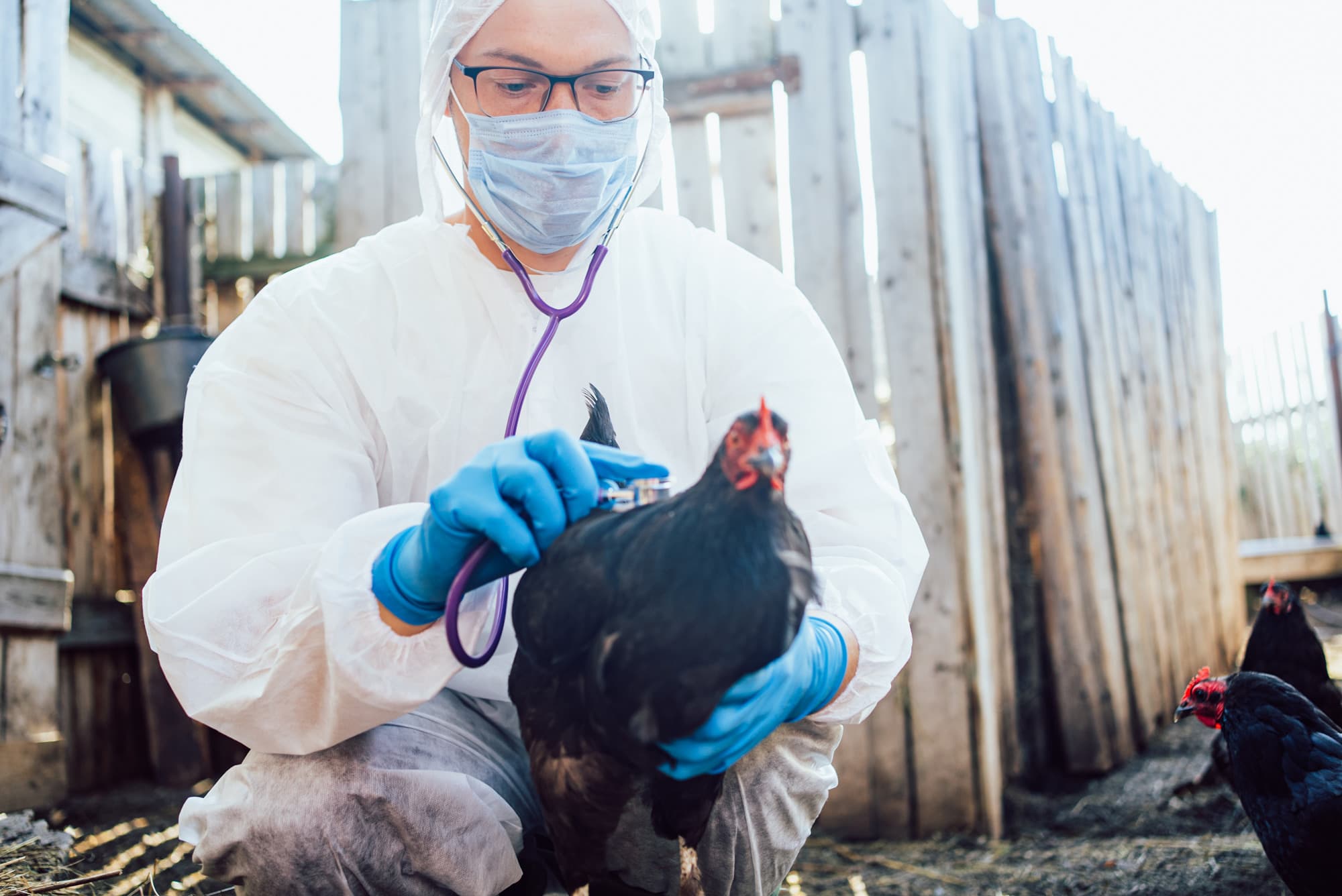
Forget the immediate scare. The escalating bird flu crisis isn't just about avian influenza; it’s a calculated distraction from systemic failures in global health security.
Key Takeaways
- •The industrial agriculture model creates ideal conditions for dangerous viral mutation.
- •The focus on a 2026 pandemic aligns with political funding cycles for biosecurity contracts.
- •The immediate beneficiaries are corporations selling surveillance and vaccine solutions, not public health.
- •The actual outcome may be regionalized crises managed for economic control, rather than a full global shutdown.
The Unspoken Truth: Who Really Wins When We Fear the Next Pandemic?
The headlines scream panic: bird flu jumping species, scientists whispering about a 2026 human pandemic. It’s the perfect storm of fear, designed to keep the public focused on the immediate, visible threat—the sick chicken, the infected dairy cow. But this narrative misses the central, uncomfortable truth: the real danger isn't the H5N1 mutation itself; it’s the massive, unaccountable power structure that benefits from perpetual crisis mobilization.
We are obsessing over the avian influenza jump, treating it like a random act of nature. It is not. It is the predictable outcome of industrial agriculture’s relentless pursuit of efficiency over resilience. Factory farms are perfect incubators for viral evolution. When scientists warn about the 'out of control' nature of this spread, they are tacitly admitting that the entire system—from global supply chains to regulatory oversight—is brittle and optimized for profit, not preparedness. The immediate winner here? The biosecurity complex—the companies selling the vaccines, the surveillance tech, and the emergency response contracts. They thrive when the world is perpetually on edge.
The Deep Dive: Why 2026? It’s About Funding Cycles, Not Just Virology
The specific prediction of a 2026 pandemic isn't just based on R-naught calculations; it aligns perfectly with political and budgetary cycles. Governments need a tangible, looming threat to justify massive, non-discretionary spending and to implement centralized control measures without significant public pushback. The focus on H5N1 distracts from the critical underfunding of primary care and local public health infrastructure—the systems that actually stop spread at the source.
Consider the economic fallout. If a major outbreak occurs, who loses? Small farmers, localized food producers, and the uninsured public. Who wins? The multinational pharmaceutical giants who secure the initial, multi-billion dollar government pre-order contracts. This isn't merely science; it’s geopolitics wrapped in epidemiology. We need to stop asking *if* it will happen and start asking *who* is positioned to profit when it does. The speed at which this virus is spreading through mammals highlights a fundamental breakdown in biosafety protocols that span continents.
Where Do We Go From Here? The Contrarian Prediction
The consensus prediction is a catastrophic human pandemic. My prediction is different: We will see a series of localized, severe outbreaks that are brutally managed, but **not a single, unifying global pandemic on the scale of 1918 or 2020.** Why? Because the economic damage from stopping the global economy again is too high for the elite controllers. Instead, expect targeted, regional lockdowns, aggressive culling mandates, and the rapid deployment of novel, proprietary vaccines that create new monopolies. The threat will be managed, not eliminated, ensuring the biosecurity industry remains permanently elevated. Prepare for economic strangulation, not just mass sickness.

The real work is shifting focus from panic-buying N95s to demanding transparency in agricultural lobbying and demanding decentralized, resilient public health funding. Until then, the fear machine will keep spinning.
Frequently Asked Questions
What is the primary difference between the current H5N1 strain and historical pandemic viruses?
The current H5N1 shows unprecedented ability to infect mammals, which is a critical step toward efficient human-to-human transmission, but it still lacks the necessary mutations for sustained airborne spread in humans.
Who benefits most from ongoing bird flu panic?
Entities involved in vaccine development, diagnostic testing, agricultural surveillance technology, and emergency response contracting stand to gain the most financially from continuous, elevated threat levels.
What is the most critical factor determining if H5N1 becomes a human pandemic?
The most critical factor is the acquisition of mutations allowing for efficient binding to human respiratory tract cells and subsequent easy transmission between people, bypassing the need for animal intermediates.
Are current safety measures in factory farms adequate to stop the spread?
No. Current measures are widely considered inadequate and reactive, designed more for disease containment post-outbreak than for proactive prevention within high-density farming environments.
Related News

NASA Found Freshwater Hiding in the Great Salt Lake: The Real Reason Big Ag is Terrified
NASA's satellite data reveals hidden freshwater pockets in the Great Salt Lake. This isn't just an ecological win; it's an economic bomb aimed squarely at Utah's powerful agricultural lobby.

The Earth is Now a Laboratory: Why NASA's IMAP 'First Light' Signals the End of Privacy, Not Just the Start of Science
NASA's IMAP mission just blinked online. But the real story isn't the science; it's the unprecedented surveillance capability this new era of space observation unlocks.

DailyWorld Editorial
AI-Assisted, Human-Reviewed
Reviewed By
DailyWorld Editorial