The Real Cost of Trump's Healthcare Gambit: Why Daniel Perez’s Florida Plan Is a Trojan Horse
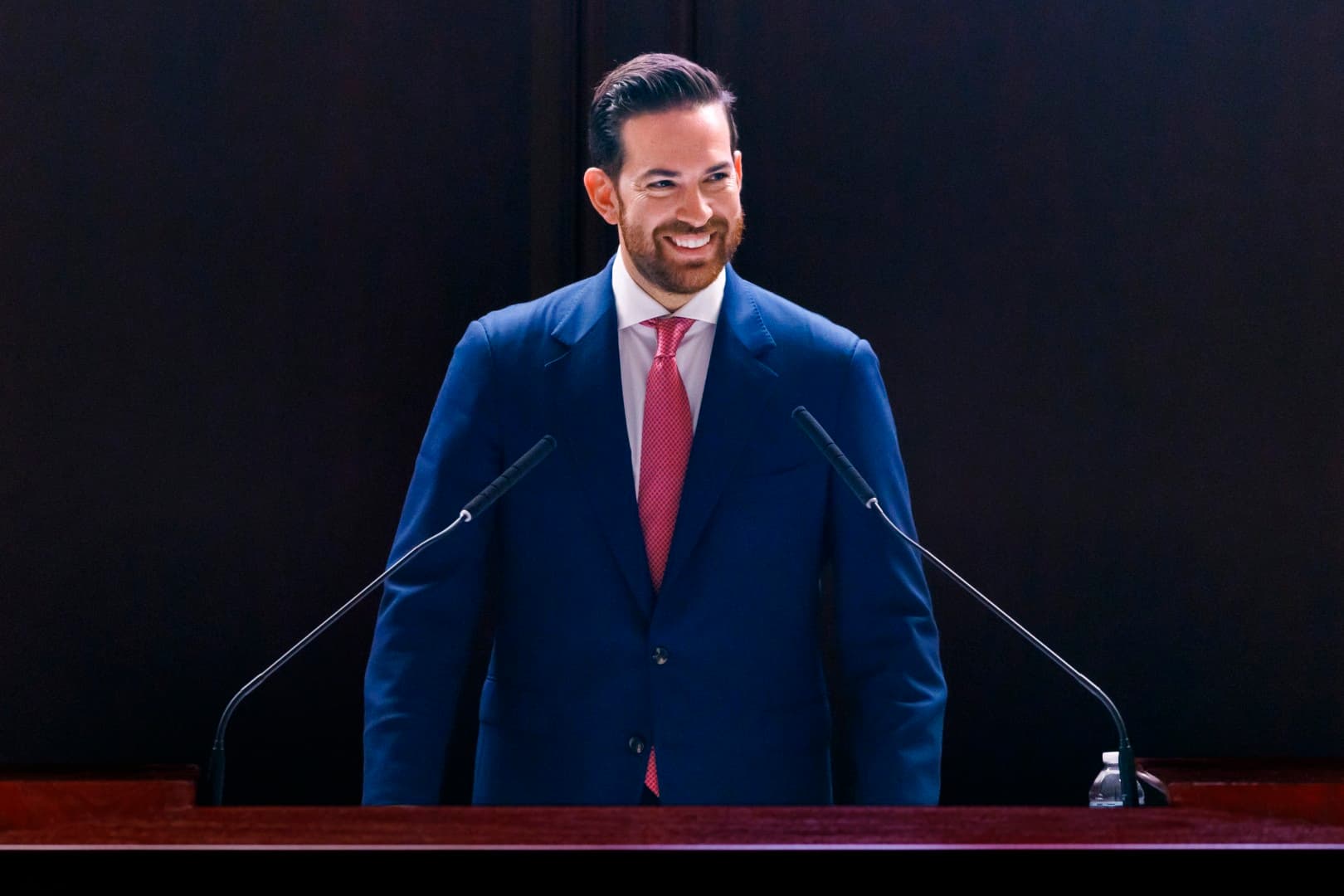
Forget the talking points. Daniel Perez’s 'New Frontier' for Florida healthcare hides a massive ideological shift, threatening access for millions. This is the breakdown.
Key Takeaways
- •Perez’s plan aligns with Trump's goal to dismantle federal healthcare oversight, prioritizing deregulation over comprehensive coverage.
- •The 'New Frontier' risks externalizing costs onto patients by promoting short-term, limited-duration insurance plans.
- •The ultimate effect will be market fragmentation, favoring large insurers over patient access and stability.
- •Prediction: Short-term political wins will lead to medium-term coverage gaps and increased uncompensated care for hospitals.
The news cycle is buzzing about **Florida healthcare** reform, centered around House Speaker Daniel Perez’s proposals, explicitly framed as aligning with the Trump-era vision of conservative governance. On the surface, it’s about 'innovation' and 'patient choice.' The unspoken truth, however, is that this isn't just policy; it’s a calculated ideological blueprint for dismantling established regulatory structures under the banner of freedom. We must analyze this shift not as a local political squabble, but as a crucial test case for the future of conservative health policy nationwide.
The 'New Frontier': More Frontier, Less Health
Perez is championing deregulation, pushing for increased flexibility in insurance markets and a shift away from federal mandates. This plays perfectly into the MAGA playbook: shrink government, empower private enterprise. But in the high-stakes arena of health, that empowerment often translates directly into risk externalization. When you talk about **healthcare reform**, you must ask: who assumes the risk when the safety net frays? The answer, invariably, is the most vulnerable patient.
The supposed 'innovation' often means loosening restrictions on insurance plans—think short-term, limited-duration policies that look cheap on paper but offer catastrophic coverage gaps. This isn't about lowering costs for the average family; it’s about lowering compliance burdens for insurance giants. This entire movement is predicated on the flawed assumption that the free market, left unchecked, will self-regulate to provide comprehensive care. History shows this assumption leads to cherry-picking patients and price gouging for necessary procedures.

The Hidden Agenda: Market Fragmentation
The real goal of this Trump-aligned **healthcare reform** strategy is market fragmentation. By allowing states to opt-out or carve out significant portions of federal oversight (like aspects of the Affordable Care Act), the system becomes a patchwork quilt. In a fragmented system, coordination collapses, and complexity skyrockets. Patients moving across state lines, or even dealing with multi-state insurers, face Byzantine hurdles just to get prior authorization.
The winner here is clear: large, multi-state insurance conglomerates who can afford the specialized legal teams to navigate 50 different regulatory schemes. The loser? The primary care physician drowning in paperwork and the patient facing denied claims because their policy isn't compliant with the state they happen to be visiting that week. This is less about choice and more about creating regulatory arbitrage.
What Happens Next? The Prediction
Expect a short-term political win, followed by a medium-term coverage crisis. Within 18 months of significant deregulation under this model, we will see two distinct trends emerge in Florida. First, premiums for the *most comprehensive* plans—the ones covering chronic conditions—will actually increase due to adverse selection, as healthier individuals flock to cheaper, skimpier options. Second, hospitals, particularly those serving rural or lower-income areas, will report a sharp uptick in uncompensated care due to increased denials from these newly deregulated plans. This will force the state legislature to address a *new* crisis—one they created—likely resulting in state subsidies to prop up the very providers harmed by the initial deregulation. It’s a classic regulatory bait-and-switch.
For more on the economic principles driving deregulation, see the work by the Peterson-KFF Health System Tracker.
Frequently Asked Questions
What is Daniel Perez proposing for Florida healthcare?
Daniel Perez is championing legislative efforts to increase flexibility in state healthcare markets, aligning with conservative principles to reduce regulatory burdens, often interpreted as moving away from federal standards toward state-controlled, market-driven solutions.
How does this align with Donald Trump's healthcare vision?
It aligns by focusing on dismantling established regulatory frameworks, promoting 'patient choice' through deregulation, and emphasizing state-level control over federal mandates, which are core tenets of the Trump administration's approach to repealing or replacing the ACA.
What is the main criticism of market-driven healthcare reform?
Critics argue that an unchecked market often leads to adverse selection, where insurers avoid high-risk patients, resulting in premiums rising for comprehensive plans and coverage gaps for those who need it most.
Who benefits most from this type of healthcare shift?
Large insurance carriers and providers who can navigate complex state-by-state regulatory differences benefit from reduced compliance costs, while the average consumer faces increased risk of inadequate coverage.
Related News

The $50 Billion Health Heist: Why Maryland’s Rural Bid for Trump’s Fund Hides a Toxic Tradeoff
Maryland’s pursuit of Trump’s $50 Billion Rural Health Fund isn't about saving small towns; it’s a political land grab masking deep fiscal risk.
The Science Budget Illusion: Why Escaping Cuts Means This Sector Is Still Losing the War
The latest budget news suggests science funding is safe, but the subtle cuts hide a deeper, structural failure in US research investment.

The Hidden Cost of Trump's 'Science Cuts': Why the Real Losers Aren't Just Researchers
Investigating the long-term fallout of proposed 2025 federal research cuts. Discover the unseen economic and geopolitical risks.

DailyWorld Editorial
AI-Assisted, Human-Reviewed
Reviewed By
DailyWorld Editorial