The Quiet Coup: Why China's 90% Tech Lead Isn't About Innovation—It's About Control
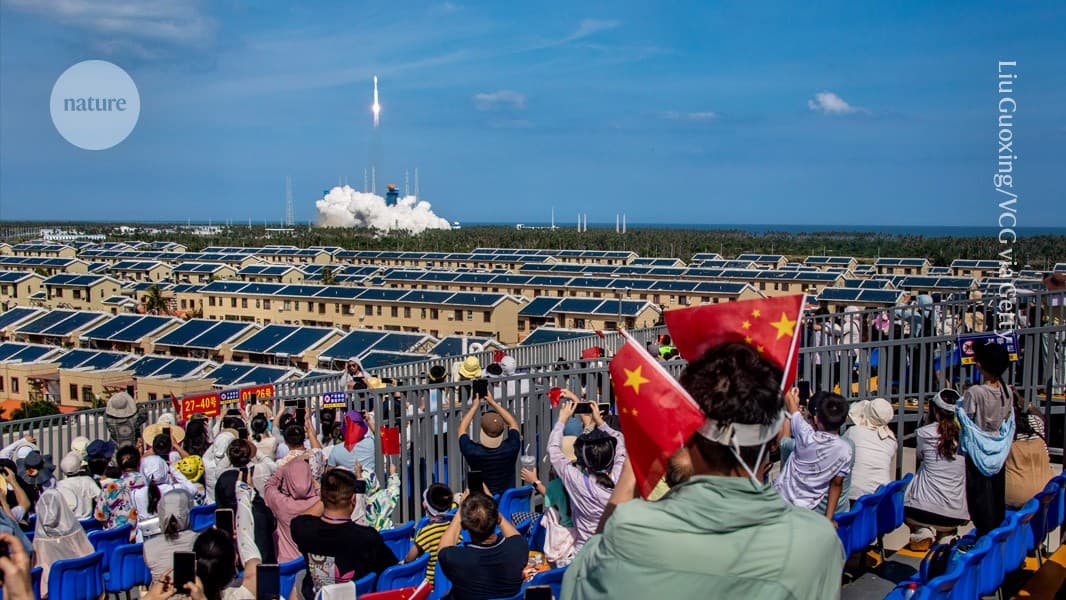
Forget the innovation race. New data reveals China's overwhelming dominance in crucial technologies, signaling a massive geopolitical shift in global tech leadership.
Key Takeaways
- •China's research lead in 90% of crucial tech is driven by state-directed infrastructure investment, not just organic innovation.
- •The real loss for the West is control over global technical standards, which dictates market entry.
- •Expect a costly and inefficient 'decoupling' forcing companies into dual R&D pipelines.
- •This dynamic shifts power away from decentralized innovation toward centralized control.
The Unspoken Truth: Dominance Isn't Innovation, It's Infrastructure
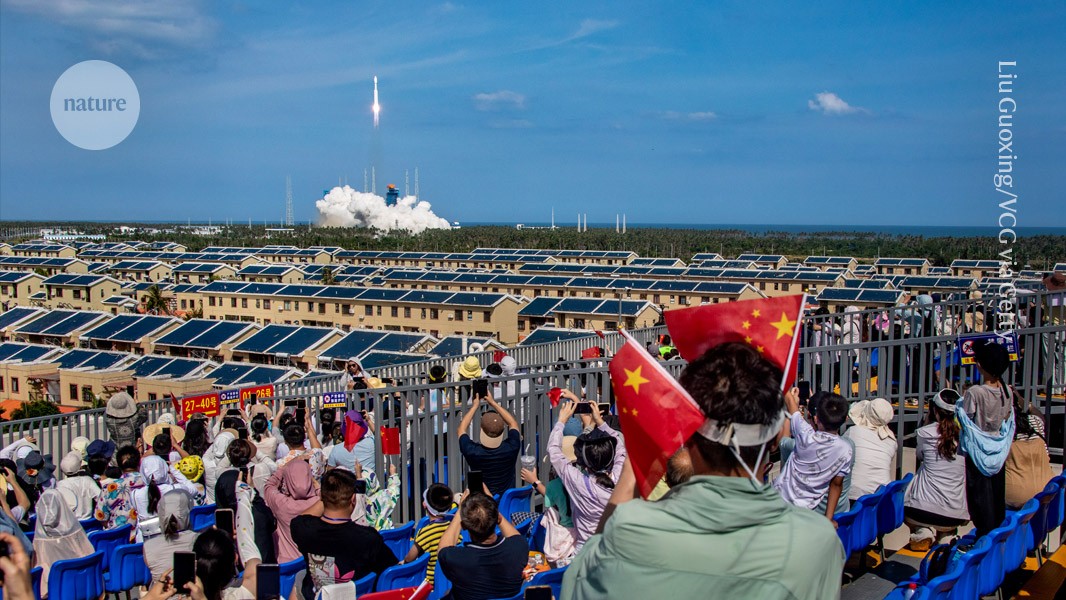
The headlines scream about a technological renaissance in Beijing. A recent analysis in Nature confirms what many in the West have been desperately trying to ignore: China now leads research output in nearly 90% of crucial, future-defining technologies. This isn't merely a statistical blip; it’s a fundamental reordering of global power. But here is the angle the mainstream analysis misses: this surge in global technology leadership isn't primarily driven by a sudden burst of Steve Jobs-esque genius. It is driven by a relentless, state-directed strategy focused on infrastructure, standardization, and sheer volume of output.
The real story behind this technology dominance is the weaponization of scale. While Western democracies debate ethics and quarterly earnings, China has systematically poured capital into foundational research areas—from advanced materials to quantum computing components—ensuring that the underlying patents and supply chains are controlled domestically. This isn't just about publishing papers; it’s about owning the blueprints for tomorrow's digital world. We are witnessing the slow-motion obsolescence of the West's decentralized R&D model.
The Contrarian View: Why the West is Already Losing the Standards War
The immediate reaction is to pour more money into domestic chip fabrication or AI labs. This is a tactical response to a strategic failure. The true battlefield for global technology leadership is not in the lab; it’s in the standards bodies. When a nation controls the research underpinning 90% of key sectors, it dictates the technical specifications—the very language—that global industry must speak. If Chinese research sets the standard for 6G protocols or next-generation battery chemistry, every company worldwide must conform to Beijing’s technical framework, regardless of their political alignment. This creates an invisible, self-enforcing moat around their technological sphere of influence.
Who loses? Not just the researchers who feel sidelined. The real losers are the mid-tier economies and the legacy tech giants who assumed their historical advantage was permanent. They are now forced into a reactive posture, scrambling to license foundational IP or risk being locked out of emerging markets entirely. This isn't just about economic competition; it’s about geopolitical leverage. Control the tech stack, control the next decade of global influence.
What Happens Next? The Great Decoupling of Knowledge
Expect the rhetoric of 'decoupling' to intensify, but it will fail spectacularly in research. Governments will attempt to wall off sensitive research, leading to an inefficient, costly duplication of efforts globally. We will see the rise of two distinct, potentially incompatible, technological ecosystems: one anchored in Beijing’s centralized model, and a fragmented, slower-moving Western bloc.
The bold prediction: Within five years, major multinational corporations will be forced to maintain two entirely separate R&D pipelines—one compliant with Western regulatory and ethical frameworks, and another optimized for integration into the Chinese-dominated global standards. This fracturing of scientific collaboration, driven by state competition, will ultimately slow down true, boundary-pushing innovation across the board, benefiting no one except the states that can afford the redundancy.
Gallery






Frequently Asked Questions
What specific technologies is China leading in research?
The research indicates dominance across a broad spectrum, including advanced materials, quantum information science, artificial intelligence subsystems, and next-generation communications infrastructure.
How does research leadership translate into economic power?
Research leadership dictates intellectual property ownership and sets global technical standards. Whoever sets the standard controls the supply chain and integration costs for all subsequent products.
Is this research lead sustainable for China?
While the current momentum is strong, sustainability depends on maintaining high levels of domestic funding and attracting top global talent, which faces headwinds due to geopolitical tensions.
What is the 'Unspoken Truth' about this tech shift?
The unspoken truth is that the West is losing the standards war before the product wars even begin, ceding foundational control over future technological ecosystems.
Related News

The Hidden Cost of 'Smart' Aid: Why Mobile Response Tech Isn't Saving Disaster Zones (Yet)
Forget the glossy press releases. The rise of mobile response technology in disaster relief hides a dangerous consolidation of power and data vulnerability.

The AI Arms Race Just Got a German Upgrade: Why Rheinmetall's SATIM Deal Is Scarier Than You Think
The Rheinmetall-SATIM AI contract signals a dangerous new phase in defense technology, moving beyond hardware into true autonomous capability.
