The Quantum Arms Race Isn't About Speed—It's About Secrecy: Who Really Wins National Security?

Forget faster processing. The true battleground for **quantum technology** in national security is cryptographic collapse, and the real winners are already building the backdoors.
Key Takeaways
- •The primary national security threat from quantum tech is 'Harvest Now, Decrypt Later' espionage, not immediate processing power.
- •The true winners are the entities securing legacy data now, not just those transitioning to PQC standards slowly.
- •Expect a 'Great Digital Bifurcation' where access to quantum-safe infrastructure dictates future economic and military power.
- •The focus on quantum benefits distracts from the critical, ongoing cryptographic arms race.
The Hook: Quantum Hype vs. Quantum Reality
Everyone is talking about quantum computing breakthroughs—faster drug discovery, optimized logistics. But that’s the PR gloss. The unspoken truth driving massive government investment, particularly in national security, is far more terrifying: **quantum encryption** breaking. This isn't about optimization; it’s about existential digital vulnerability. The race isn't to build the better calculator; it's to either break the current global digital ledger or secure your own secrets before someone else does.
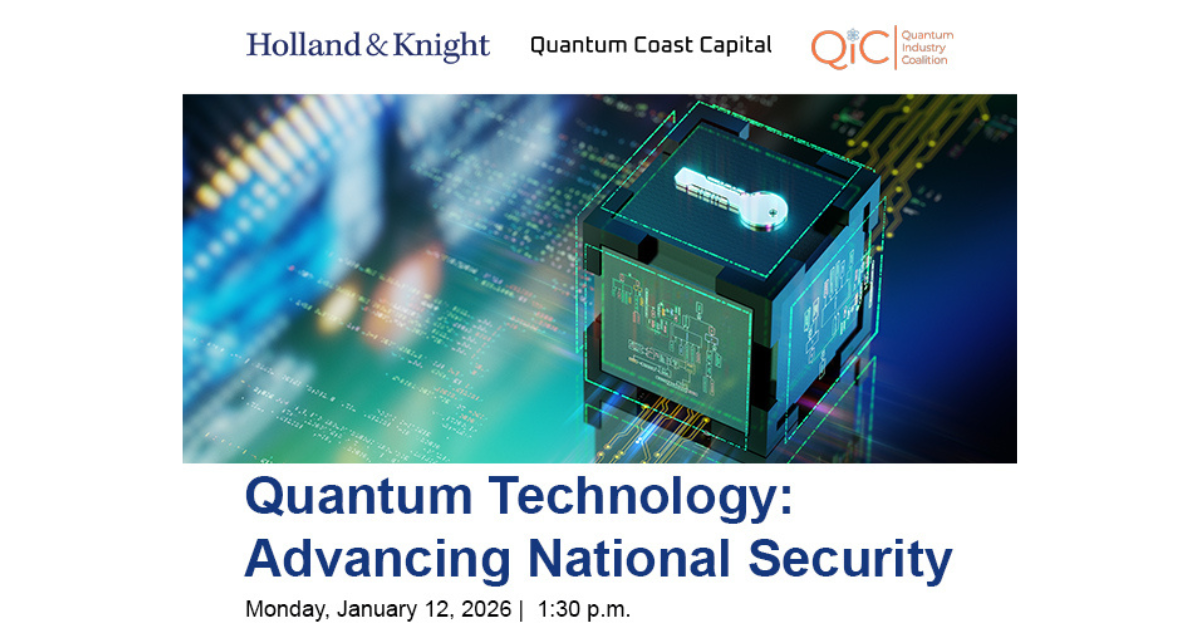
The Meat: Why 'Post-Quantum Cryptography' is Already Losing
The current focus, heavily pushed by government agencies, is migrating to Post-Quantum Cryptography (PQC). This transition, while necessary, is a colossal, slow-moving bureaucratic nightmare. The problem? The 'Harvest Now, Decrypt Later' threat is already active. Adversarial states are currently exfiltrating massive volumes of encrypted data, knowing that once a fault-tolerant quantum computer (a Q-Day machine) arrives, that data—military plans, trade secrets, personal identities—will be instantly readable. This isn't theoretical; it’s ongoing espionage using future capability. The winners of this phase are not the ones implementing PQC fastest, but the ones who have already secured their most critical legacy data against future decryption.
The Deep Dive: The True Hidden Agenda
Who really wins? Not the government agencies scrambling to mandate new standards, but the specialized, highly secretive tech firms—often defense contractors or niche startups—that possess the core IP for fault-tolerant qubits and, crucially, the expertise to implement quantum-resistant algorithms *before* the standards are finalized. Think of it as a gold rush where the rich get the best land before the official survey is done. The hidden agenda is **technological supremacy** built on proprietary quantum-safe infrastructure, creating an unbreachable digital moat around the nation or corporation that controls the key. For the average citizen, this means their privacy hinges not on public standards, but on the speed and secrecy of these elite players. The timeline for a true quantum threat is unpredictable, but the time to secure data is now. As reported by institutions like Reuters, the geopolitical stakes are astronomical.
What Happens Next? The Great Digital Bifurcation
My prediction is that within five years, we will see a **Great Digital Bifurcation**. Nations and major industries will split into two camps: the 'Quantum-Secured' and the 'Quantum-Vulnerable.' The vulnerable camp will suffer continuous, untraceable breaches of legacy, high-value information. The secured camp will operate with near-perfect digital confidence, using quantum key distribution (QKD) or perfected PQC implementations that surpass current public recommendations. This bifurcation will redefine global economic power far more rapidly than any previous technological shift, making the current state of **quantum technology** seem quaint.
The real fight for national security isn't about building the biggest quantum computer; it’s about winning the cryptographic arms race before the finish line is even drawn. The irony is that the public conversation focuses on the *benefits* of quantum, while the critical, high-stakes action is happening in the shadows, focused entirely on defense.
Frequently Asked Questions
What is the 'Harvest Now, Decrypt Later' threat in quantum computing?
It refers to the practice where adversaries steal vast amounts of currently encrypted data, storing it until a sufficiently powerful quantum computer is built, at which point they can decrypt all the historical secrets instantaneously.
Is Post-Quantum Cryptography (PQC) the final solution for quantum threats?
PQC is the necessary interim step, but it is slow to implement and may not cover all specialized cryptographic needs. True long-term security might rely on Quantum Key Distribution (QKD) or algorithms that surpass current PQC standards.
How does quantum technology advance national security beyond code-breaking?
Quantum sensing offers unprecedented capabilities for stealth detection (submarines, infrastructure monitoring), and quantum simulation can rapidly model complex national defense scenarios that are impossible for classical supercomputers.
Related News

The Hidden Cost of 'Fintech Strategy': Why Visionaries Like Setty Are Actually Building Digital Gatekeepers
The narrative around fintech strategy often ignores the consolidation of power. We analyze Raghavendra P. Setty's role in the evolving financial technology landscape.
Moltbook: The 'AI Social Network' Is A Data Trojan Horse, Not A Utopia
Forget the hype. Moltbook, the supposed 'social media network for AI,' is less about collaboration and more about centralized data harvesting. We analyze the hidden risks.

The EU’s Quantum Gambit: Why the SUPREME Superconducting Project is Actually a Declaration of War on US Tech Dominance
The EU just funded the SUPREME project for superconducting tech. But this isn't just R&D; it's a geopolitical power play in the race for quantum supremacy.
