The Plastic Victory Is A Smoke Screen: Why This Legal Win Won't Stop The Pollution Crisis
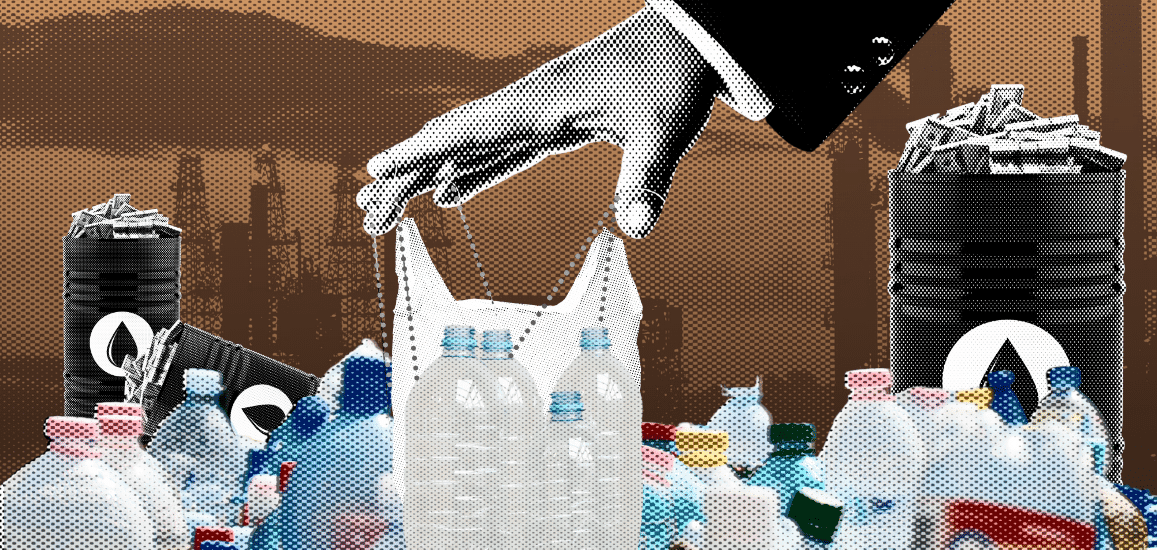
The recent legal victory against plastic pollution regulation is being celebrated, but the real fight—the fossil fuel pipeline—remains untouched.
Key Takeaways
- •The victory targets symptoms (waste) rather than the cause (virgin plastic production tied to fossil fuels).
- •Legal wins often benefit large incumbents by creating compliance barriers for smaller competitors.
- •Future regulation (EPR) will likely shift costs to consumers without mandating significant volume reduction.
- •The true fight is against the petrochemical industry's pivot to plastics as its primary growth area.
The Celebration is Premature: The Unspoken Truth of the Plastic Victory
The headlines scream triumph: Health and environmental groups have scored a major win in the protracted battle against plastic pollution regulation. On the surface, this is a David vs. Goliath moment. But if you look past the celebratory press releases, you see the same, tired dynamic: a regulatory nudge when what is required is a systemic demolition. This isn't the end of the war; it’s merely a successful skirmish won on a battlefield chosen by the opposition.
The core issue driving the plastic crisis isn't the stray bottle cap; it’s the relentless, subsidized expansion of virgin plastic production, intrinsically linked to the fossil fuel industry. This legal win, while important for setting precedents in environmental law, does nothing to address the source. It targets the symptoms—waste management, cleanup, and localized bans—while ignoring the disease: the petrochemical complex.
Deep Dive: Who Really Wins When Regulations Tighten?
The true beneficiaries of these incremental regulatory victories are often the very corporations they aim to constrain. Why? Because compliance creates barriers to entry for smaller innovators, effectively cementing the market dominance of multinational giants who can afford the legal teams and the infrastructure upgrades necessary to meet the new standards. Furthermore, these victories provide excellent PR cover. They allow corporations to point to their 'commitment' to sustainability while simultaneously lobbying aggressively against meaningful federal or global treaties that would curb production volumes. This is regulatory theater at its finest.
We must stop framing this as a 'litter' problem. This is a fossil fuel dependency problem. Every piece of plastic—from your smartphone casing to your grocery bag—is a fossil fuel product. As the world pivots—however slowly—away from burning oil and gas for energy, the petrochemical sector is aggressively pivoting toward plastic as its primary growth market. This is the hidden agenda: securing a new revenue stream that keeps the oil wells pumping, regardless of the environmental fallout. Analyzing the full scope of plastic pollution demands this level of scrutiny.
The imagery accompanying these victories, like the one showing the intertwined nature of plastics and fossil fuels, highlights the link, yet the legal challenge rarely strikes at the primary source. We need mandates on upstream production caps, not just downstream cleanup funds. As reported by sources like Reuters, the global capacity for plastic production is set to skyrocket, rendering localized regulatory wins almost negligible in the grand scheme. The future of oil investment is increasingly plastic.
What Happens Next? The Prediction
The next five years will see a surge in 'Extended Producer Responsibility' (EPR) legislation globally. This will be framed as a massive win for accountability, forcing brands to pay for the recycling or disposal of their packaging. My prediction: EPR will fail to curb overall plastic volume significantly, but it will successfully shift the financial burden from municipalities (taxpayers) directly onto consumers via increased product costs. The industry will successfully negotiate EPR frameworks that prioritize low-cost recycling infrastructure (often involving incineration or export) over mandatory reduction targets or investment in truly circular, reusable systems. The result: a slightly cleaner PR image for corporations, marginally higher prices for consumers, and the same overwhelming volume of virgin plastic entering the economy.
The only way to truly win is to attack the production side. Until global policy targets the oil wellhead—the point where the fossil fuel becomes plastic—these legal victories will remain expensive, symbolic gestures against an industrial behemoth.
Frequently Asked Questions
What is the main criticism of recent plastic pollution legal victories?
The main criticism is that these victories focus on downstream management and cleanup rather than upstream mandates that would curb the production of new, virgin plastic derived from fossil fuels.
How is plastic production linked to the fossil fuel industry?
Plastic is fundamentally a petrochemical product. As demand for burning fossil fuels for energy plateaus, oil and gas companies are heavily investing in expanding plastic production capacity as a primary future revenue stream.
What is Extended Producer Responsibility (EPR) legislation?
EPR is a policy approach that makes producers financially and/or physically responsible for the treatment or disposal of post-consumer products. Critics argue it can often lead to cost-shifting to consumers rather than actual reduction.
What is the 'unspoken truth' about these regulatory wins?
The unspoken truth is that these wins often serve as excellent public relations for large corporations, allowing them to appear proactive while successfully resisting deeper, more impactful regulations on production volume.
Related News

The Silent Coup: How One Scientist's Pivot Reveals the UK's Dangerous Science-to-Policy Pipeline
Dr. Thanuja Galhena's jump from materials science to UK policy isn't a success story—it's a warning about captured expertise.

The Evolution Trust Crisis: Why Doubting Scientists on Darwin Isn't Just About Faith Anymore
The debate over **evolutionary theory** is shifting. It’s no longer just faith vs. science; it's about institutional trust and **scientific consensus** in the age of information warfare.

The Invisible War: Why the New Science Journal Release Hides a Bigger Battle Over Education
The latest RNCSE issue is out, but the real story is the escalating culture war over science education standards.
