The PFAS ‘Miracle Cure’ is Here: But Who Actually Pays for Cleaning Up the Mess?
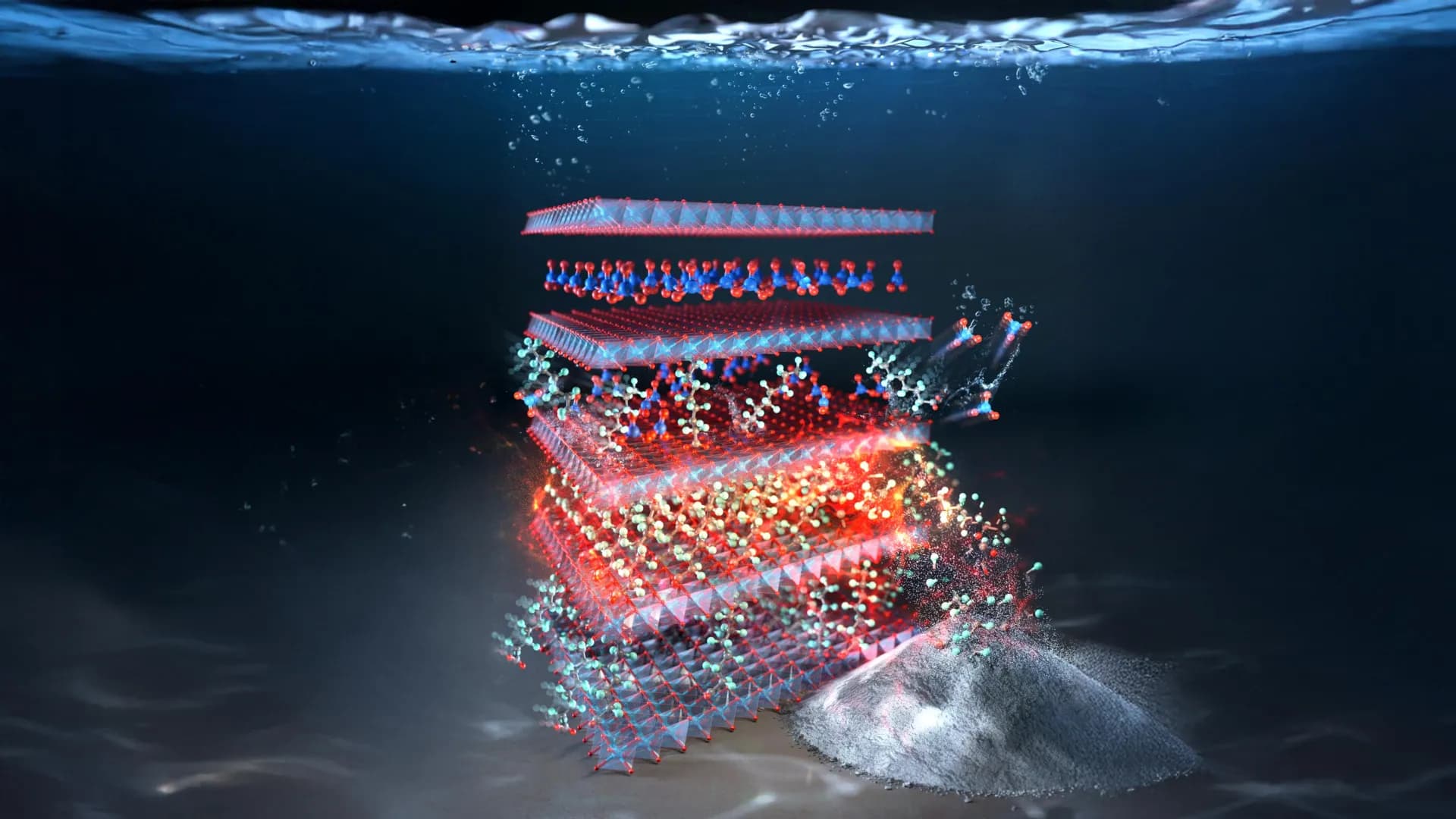
A new rapid technology promises to destroy 'forever chemicals,' but the real battle over liability and scale in the PFAS crisis is just beginning.
Key Takeaways
- •The new technology destroys PFAS bonds rapidly, moving beyond simple sequestration.
- •The true winners are potentially the polluters, as rapid fixes lower liability exposure.
- •Scaling the technology to meet global contamination levels will face severe infrastructural and cost hurdles.
- •This breakthrough highlights the recurring cycle of creating persistent chemicals without planning for their disposal.
The Myth of the Instant Fix for Forever Chemicals
The headlines scream victory: PFAS removal technology has shattered efficiency records, promising to finally eradicate the notorious “forever chemicals” plaguing our water supplies. This isn't just another filtration upgrade; it’s a chemical sledgehammer. But as journalists, our job isn't to cheer the press release; it’s to dissect the fallout. The unspoken truth about this breakthrough in chemical remediation is that speed in the lab rarely translates to speed in the real world, especially when confronting a multi-trillion-dollar liability problem.
The mechanism, utilizing advanced layered double hydroxides or similar novel materials, reportedly breaks down the incredibly stable carbon-fluorine bonds that make PFAS, like PFOA and PFOS, so persistent. For decades, these chemicals—ubiquitous in firefighting foam, non-stick coatings, and industrial processes—have been the environmental equivalent of a zombie apocalypse. This new water treatment technology offers genuine hope for contaminated sites, suggesting we might finally move past simple sequestration (burying the problem) to actual destruction.
The Unspoken Agenda: Who Wins the Liability Game?
Who truly benefits from this rapid destruction capability? Not the consumer currently drinking contaminated water, not yet. The immediate winners are the manufacturers and the polluters who have spent years fighting regulatory action. If a cheap, fast, and scalable destruction method is proven, the legal defense shifts dramatically. Instead of arguing about the *cost* of long-term containment, they pivot to the *availability* of a fix. This could accelerate settlements, potentially lowering the final payout for responsible parties, funded by taxpayers regardless.
The biggest loser? The established, slow-moving environmental engineering sector relying on established, high-margin sequestration methods. This tech is a disruption that threatens their existing contracts. Furthermore, the sheer scale of the PFAS contamination is staggering. Even if this method works perfectly in a controlled setting, rolling it out across thousands of municipal water systems and military bases globally is an infrastructural nightmare. We are trading one complex problem for another: the challenge of deployment and regulatory approval.
The Grand Scheme: A Cautionary Tale of Chemical Innovation
This isn't just about clean water; it's about our relationship with synthetic chemistry. PFAS chemicals were celebrated for their utility before their toxicity was understood. This new destruction method, while laudable, masks a deeper issue: our relentless creation of materials designed to last forever. We solve the pollution problem with a faster chemical reaction, but we haven't solved the fundamental human impulse to engineer substances without fully vetting their end-of-life consequences. This cycle—invent, pollute, panic, invent a fix—is the defining pattern of 21st-century industry. For more on the history of these persistent pollutants, see the background on per- and polyfluoroalkyl substances from the EPA [link to EPA source].
What Happens Next? The Prediction
My prediction is that within 18 months, we will see a massive, government-subsidized pilot program deployed at a single, highly publicized Superfund site. This will generate enormous positive press. However, widespread adoption will be stalled by two factors: first, the cost of scaling the specialized materials needed for destruction will remain prohibitively high for smaller municipalities. Second, the regulatory bodies (like the USGS) will demand years of validation data to ensure the breakdown products aren't themselves toxic or that the process doesn't leach other contaminants. The immediate relief will be psychological, not infrastructural. Real, systemic cleanup will remain slow, costly, and primarily focused on point-of-use filtration for the next decade, despite this technological leap.
Frequently Asked Questions
What exactly are 'forever chemicals' (PFAS)?
PFAS (per- and polyfluoroalkyl substances) are a large group of synthetic chemicals characterized by extremely strong carbon-fluorine bonds, making them resistant to heat, water, and oil. They do not naturally break down in the environment or the human body, leading to accumulation.
Is this new technology immediately available for public water systems?
No. While lab results show record-breaking efficiency, the technology is currently in the pilot phase. Scaling production, validating long-term efficacy, and navigating regulatory hurdles mean widespread deployment in municipal systems will take several years.
How does this new destruction method compare to current PFAS removal techniques?
Current methods primarily involve filtration (like activated carbon or ion exchange resins) which capture and concentrate PFAS, creating hazardous waste that still needs disposal. This new technology aims to chemically destroy the PFAS molecules entirely, eliminating the hazardous waste stream.
Who is legally responsible for paying for PFAS cleanup?
Liability is complex and currently being determined through litigation. Generally, the parties responsible for manufacturing or using PFAS in high volumes (e.g., chemical producers, industries using firefighting foam) are the target of lawsuits, but local governments often bear the initial cost burden.

DailyWorld Editorial
AI-Assisted, Human-Reviewed
Reviewed By
DailyWorld Editorial