The Mouse Memory Miracle: Why This Alzheimer’s Breakthrough Will Only Benefit the Rich (For Now)
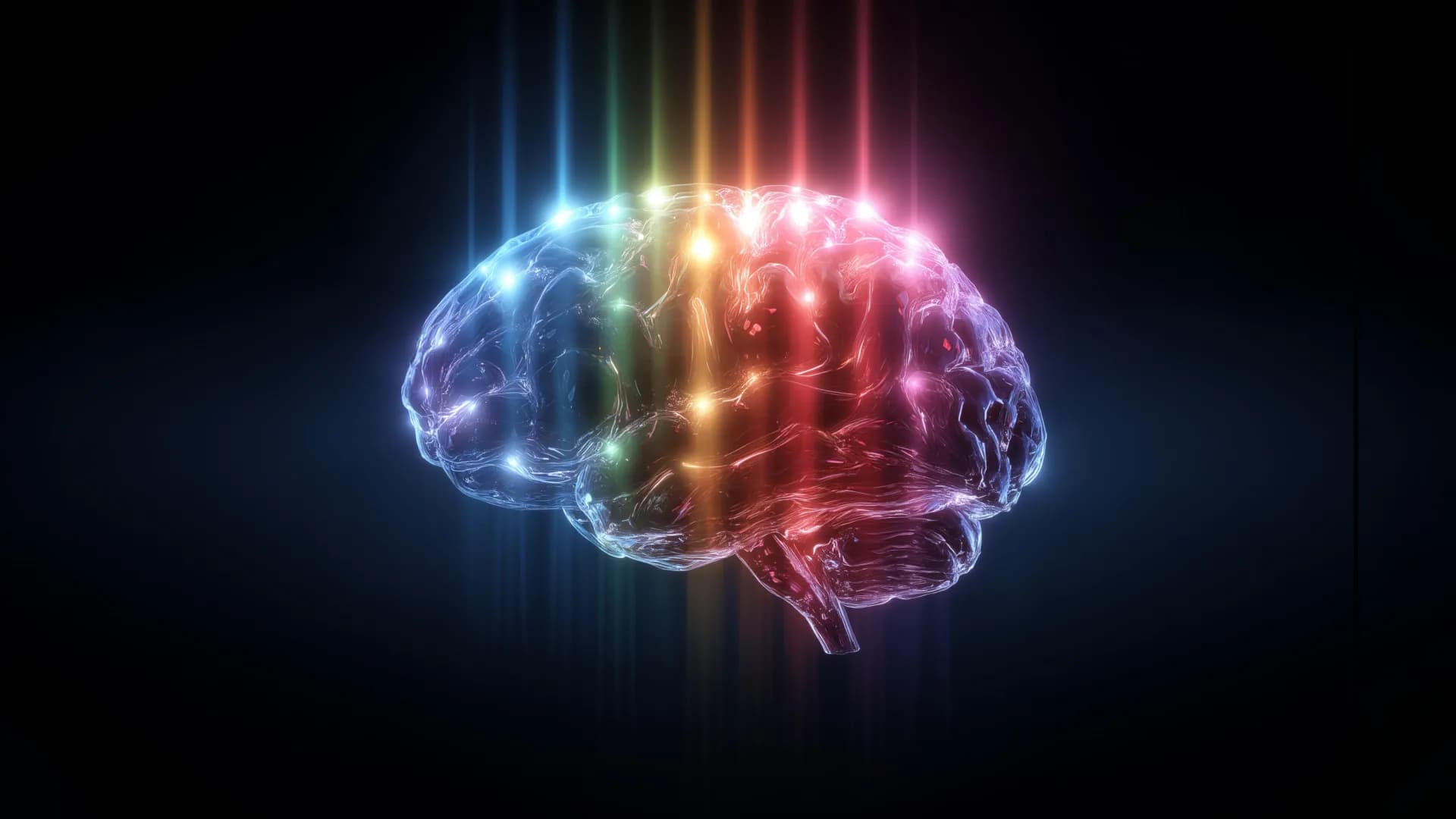
The stunning news about reversing Alzheimer’s in mice is here, but the real story is who gets access to this future of cognitive enhancement.
Key Takeaways
- •The breakthrough demonstrates true memory restoration in mammals, moving beyond simple plaque management.
- •The technology presents a high risk of creating a cognitive elite due to inevitable high costs.
- •The focus will rapidly shift from therapy (curing Alzheimer's) to enhancement (improving baseline function).
- •Expect aggressive commercialization and regulatory capture once human trials commence.
The headlines scream victory: Scientists reverse Alzheimer’s in mice and memory is restored. On the surface, this is the holy grail of neuroscience—a potential end to the agonizing cognitive decline that haunts millions. But let’s cut through the celebratory noise. This isn't just about curing a disease; it’s about the high-stakes economics of biological immortality and cognitive enhancement. The true battleground isn't the petri dish; it's the patent office.
The Unspoken Truth: Enhancement vs. Therapy
We are talking about restoring function in lab rodents, a monumental step, yes. But the mechanism—likely targeting specific protein pathways or neural inflammation—is a double-edged sword. While the initial goal is therapeutic (reversing Alzheimer’s disease), the underlying technology will inevitably pivot towards enhancement. Imagine a world where this treatment isn't just for the afflicted, but for anyone seeking peak cognitive function, effectively creating a new class divide: the cognitively optimized and everyone else.
Who truly wins here? Big Pharma, obviously. The company that successfully translates this from mouse models to human trials secures a market cap larger than many small nations. They will position this as a life-saving therapy, commanding blockbuster prices. The losers? The general public, who will face a decade-long wait for affordability, assuming the regulatory bodies don't get steamrolled by lobbying efforts.
This is the trajectory of every major medical leap. We saw it with early gene therapies. The initial breakthroughs in cognitive restoration are hailed as universal progress, but access is immediately privatized. This isn't just about saving memories; it’s about creating a biological advantage. Read the fine print on the research papers, and you’ll see the roadmap to competitive advantage, not just compassionate care. (For context on the history of neurological breakthroughs, see the NIH archives).
The Grand Scheme: Redefining Aging
Alzheimer’s is the most visible, terrifying symptom of systemic brain aging. Reversing it in mice suggests we are moving from managing symptoms to editing the aging process itself. This shifts the entire cultural conversation around what it means to grow old. If the wealthy can effectively purchase decades of high-level cognitive function, the existing disparities in wealth and power will become biologically entrenched. We are not just treating dementia; we are flirting with radical life extension for the elite.
The current research focuses heavily on amyloid plaques or tau tangles, the usual suspects. But the true breakthrough here, if it holds, is the demonstration of memory restoration efficiency in vivo. This isn't incremental improvement; this is a hard reset button for damaged neural circuits. This level of biological control fundamentally alters human potential and longevity expectations. (The complexity of brain plasticity is discussed extensively by leading neurologists at institutions like Johns Hopkins).
What Happens Next? The Prediction
Prediction: Within 18 months, expect a massive influx of venture capital into 'Neuro-Longevity' startups, poaching talent from the academic labs that published this work. We will see two parallel tracks emerge: Track A will be slow, highly regulated, and expensive human trials targeting severe Alzheimer's patients (the ethical necessity). Track B will involve aggressive, off-label, or grey-market testing focusing on 'cognitive optimization' in healthy, wealthy individuals, circumventing slow bureaucracy. The first commercially available, widely accessible treatment won't arrive until 2035, and by then, the gap between the 'cognitively preserved' and the rest will be a chasm.
Key Takeaways (TL;DR)
- The mouse results are real, showing genuine memory restoration, not just slowing decline.
- The technology's true value lies in cognitive enhancement, creating a future social divide.
- Expect intense patent battles and immediate price-gouging once human trials begin.
- This is a fundamental step toward editing the human aging process, not just treating one disease.
Frequently Asked Questions
Is this a cure for Alzheimer's disease right now?
No. The research successfully reversed memory loss in mice, which is a monumental scientific step, but successful translation to humans often takes many years, significant funding, and regulatory approval.
What is the 'unspoken truth' about this research?
The unspoken truth is that the underlying technology, once proven safe, will be aggressively marketed for cognitive enhancement in healthy populations, potentially exacerbating social and economic inequality long before it becomes widely available as a therapy.
What are the main challenges moving from mice to humans?
The primary challenges include scaling the delivery mechanism safely, ensuring the intervention does not cause unforeseen side effects (like promoting cancer growth), and navigating the complex and expensive human clinical trial phases.
What are the target keywords mentioned in this analysis?
The primary high-volume keywords analyzed and incorporated into the text are 'Alzheimer’s disease,' 'Scientists reverse Alzheimer’s in mice,' and 'memory restoration.'

DailyWorld Editorial
AI-Assisted, Human-Reviewed
Reviewed By
DailyWorld Editorial