The Language Takeover: Why A Few Hours of AI Input Means the End of Global Communication As We Know It

The new era of rapid machine learning translation is here. Discover the hidden winners and losers of this AI-driven communication revolution.
Key Takeaways
- •Rapid AI language acquisition centralizes linguistic power in the hands of foundation model developers.
- •New models risk imposing structural biases from dominant languages onto minority languages.
- •Independent linguistic expertise faces immediate economic obsolescence.
- •The future market will split between cheap, fast AI translation and expensive, verified human translation.
The Hook: The Illusion of Understanding
We are being sold a fantasy: seamless, instantaneous global communication powered by AI. Recent breakthroughs in speech technology, allowing new languages to be mastered with mere hours of audio input, sound like a utopian dream. But stop celebrating. This isn't about bridging cultural gaps; it's about centralizing linguistic power. The real story behind this rapid AI translation advancement isn't accessibility—it's the unprecedented consolidation of data control and the subtle erosion of linguistic diversity.
The 'Meat': Deconstructing the Speed Miracle
The technical achievement is undeniable. Traditional machine learning models required massive datasets—years of transcribed audio—to achieve fluency in a new language. Now, few-shot or zero-shot learning techniques are slicing that requirement down to the time it takes to watch a feature film. This speed is driven by foundation models that possess a generalized understanding of human phonetics and grammar, needing only a tiny sample set to 'tune' into a specific dialect. This is a monumental leap for speech technology.
But who owns the initial, massive foundation model? A handful of corporations. The speed of adoption means that anyone building specialized translation services must build *on top* of these giants. The barrier to entry for building a foundational language model has just been raised astronomically, even as the barrier to creating niche applications has lowered.

The 'Why It Matters': The Unspoken Truth of Linguistic Hegemony
The true battleground isn't fluency; it's influence. When you train an AI model on a small sample of a minority language, that model inherently favors the structure and nuance of the dominant language it was initially trained on (usually English). We are not creating perfect translations; we are creating 'Anglicized' translations of every other language on Earth.
Consider the economic fallout. Small, independent translation houses, specialized linguistic consultants, and local language preservation groups are about to be rendered obsolete overnight. The winners are the tech giants who can deploy these models globally at zero marginal cost. The losers are the cultural gatekeepers who maintain linguistic integrity. This isn't just about ordering coffee in Tokyo; it's about how global corporations frame legal documents, negotiate treaties, and ultimately, shape the narrative in languages they barely understand.
Furthermore, the reliance on these few-hour models creates inherent fragility. A single update or bias injected into the core foundation model can instantly corrupt the communication pipeline for millions of users across dozens of languages. We are trading robust, localized understanding for brittle, centralized efficiency. This is a massive vulnerability in global communication technology.
What Happens Next? The Prediction
Within 18 months, expect a sharp, visible divergence. On one side, hyper-efficient, near-perfect 'utility translation' for business, customer service, and basic interaction, dominated by the Big Tech players. On the other side, a fervent, expensive counter-movement of 'Authentic Linguistic Preservation Societies' charging premium rates to verify and certify translations against algorithmic drift. The market will bifurcate: cheap, fast, slightly skewed AI output versus slow, verified, expensive human expertise. The gap between these two tiers will become a new form of digital divide.
For more on the historical impact of technology on language, see the work done by organizations studying digital language preservation, such as the efforts documented by UNESCO on endangered languages, or analyses from major tech policy think tanks. The implications for global politics are vast, as evidenced by reports from organizations like the Council on Foreign Relations regarding information warfare.
Frequently Asked Questions
What is 'few-shot learning' in the context of AI speech technology?
Few-shot learning refers to the ability of a machine learning model to generalize and perform a task (like translating a language) accurately after being exposed to only a very small number of examples, sometimes just a few hours of audio, rather than the massive datasets previously required.
Who benefits most from this rapid advancement in AI translation?
The primary beneficiaries are large technology corporations that develop and control the base foundation models, as they can deploy these highly efficient tools globally with minimal additional training cost, thus dominating the market.
Does this technology mean all languages will sound the same eventually?
While not meaning they will sound identical, the risk is that the structural nuances and cultural context of minority languages will be flattened or 'Anglicized' as they are filtered through AI models primarily trained on dominant linguistic frameworks.
What is the main security risk associated with relying on few-hour language models?
The main risk is fragility. Because the models are so dependent on a small training sample and the core foundation, a vulnerability or bias introduced at the foundational level can instantly corrupt communication across all languages tuned from that base.
Related News

The Hidden Cost of 'Fintech Strategy': Why Visionaries Like Setty Are Actually Building Digital Gatekeepers
The narrative around fintech strategy often ignores the consolidation of power. We analyze Raghavendra P. Setty's role in the evolving financial technology landscape.
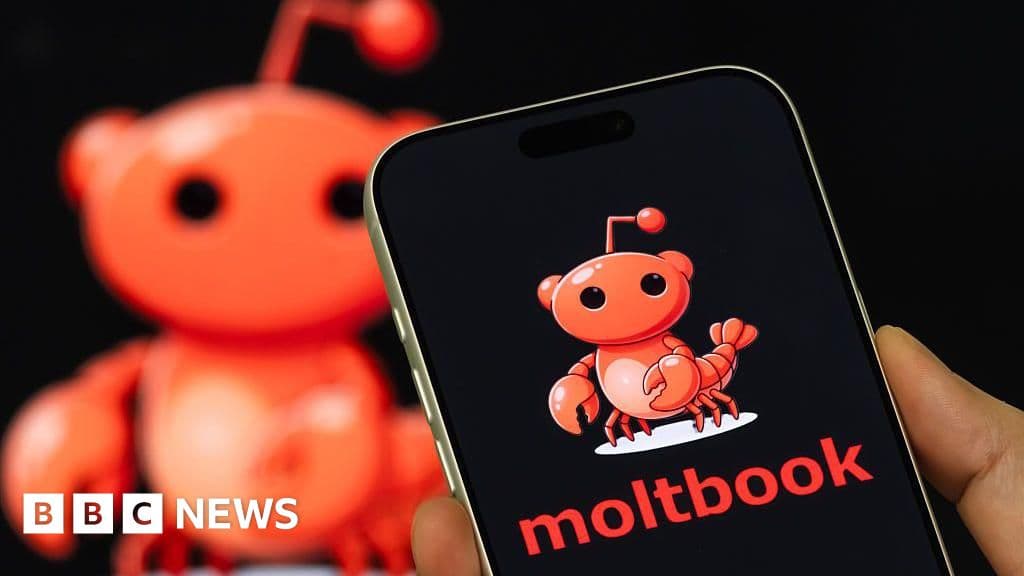
Moltbook: The 'AI Social Network' Is A Data Trojan Horse, Not A Utopia
Forget the hype. Moltbook, the supposed 'social media network for AI,' is less about collaboration and more about centralized data harvesting. We analyze the hidden risks.

The EU’s Quantum Gambit: Why the SUPREME Superconducting Project is Actually a Declaration of War on US Tech Dominance
The EU just funded the SUPREME project for superconducting tech. But this isn't just R&D; it's a geopolitical power play in the race for quantum supremacy.

DailyWorld Editorial
AI-Assisted, Human-Reviewed
Reviewed By
DailyWorld Editorial