The Kinesiology Illusion: Why Your College Degree in 'Human Movement' Won't Save You From the AI Revolution
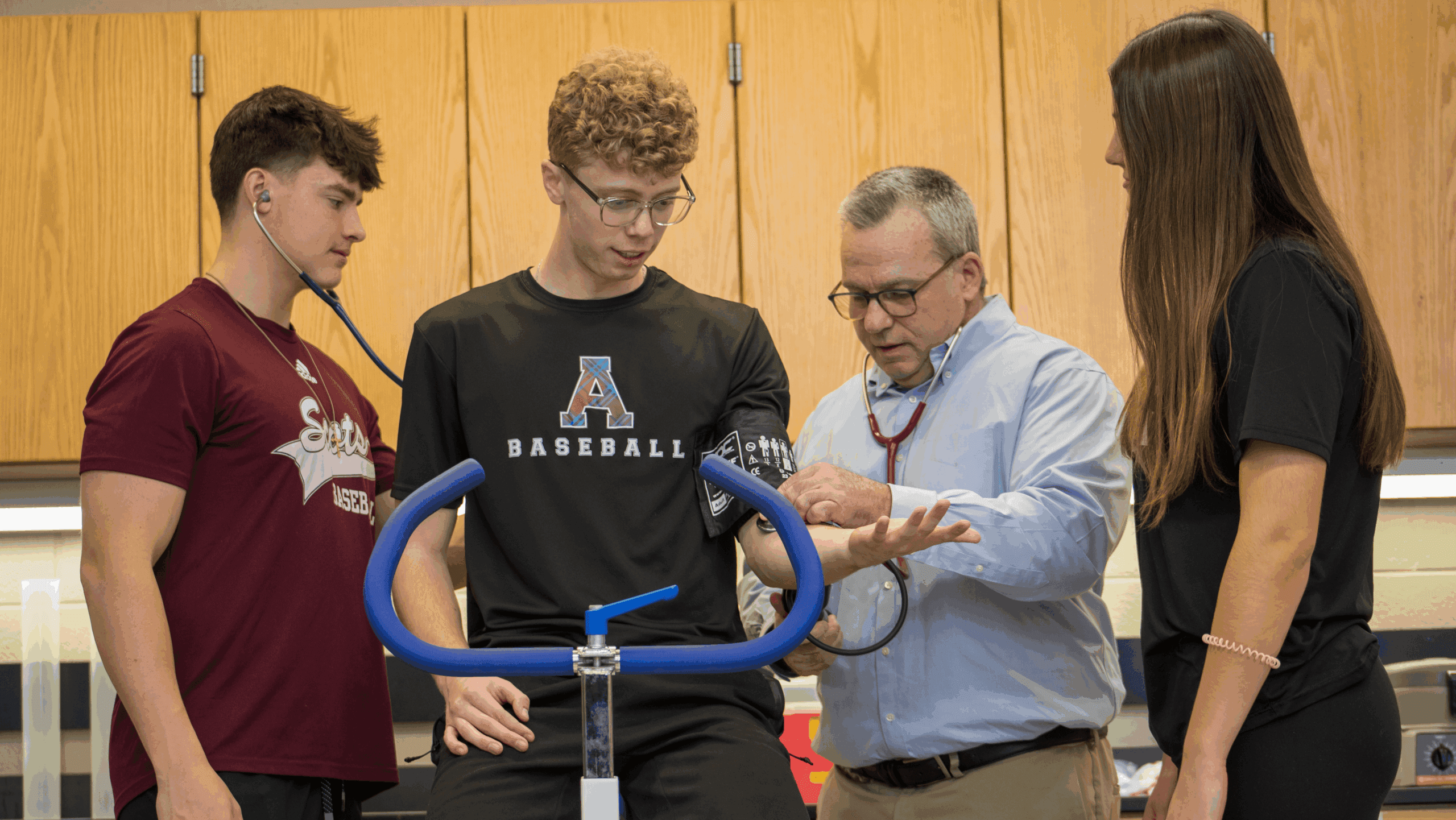
The booming Kinesiology and Health Sciences programs promise dynamic careers, but the unspoken truth is that generalized movement science is rapidly being automated.
Key Takeaways
- •General Kinesiology degrees face devaluation as AI automates basic wellness and fitness programming.
- •The 'dynamic career' promise often masks competition for low-margin, easily replicable roles.
- •The future value lies only in hyper-specialized tracks integrating advanced diagnostics and data modeling.
- •Universities benefit financially from high enrollment, regardless of long-term graduate market viability.
The relentless drumbeat from universities echoes a singular, comforting mantra: study what people *do*—move, eat, heal. Institutions like Alma College are aggressively marketing their Kinesiology and Health Sciences programs as the ultimate inoculation against economic obsolescence, promising 'dynamic careers in human movement.' But let’s cut through the glossy brochures. This isn't about education; it's about hedging bets against a shifting labor landscape. The real question we must ask about this surge in human movement science degrees is: Who truly benefits when the market demands hyper-specialization, not generalized wellness coaching?
The Unspoken Truth: The Commoditization of General Movement
The current boom in sports science education is largely fueled by the outsourcing of basic fitness and wellness consultation to apps, wearables, and AI-driven diagnostics. When you enroll in a general Kinesiology program, you are learning foundational science—anatomy, physiology, biomechanics. These are excellent building blocks. However, the resulting 'dynamic career' often translates to roles easily replicated by algorithms. Why pay a human $80 an hour to design a generic periodization plan when an application can do it instantly based on biometric data?
The winners here are the institutions collecting tuition fees, selling the *promise* of security in a field that is rapidly becoming commoditized. The losers are the graduates who expected high-level analytical roles but find themselves competing for entry-level physical therapy assistant positions or low-margin corporate wellness gigs. The true value is shifting away from *knowing* how the body moves to *diagnosing* complex, individualized pathology—a realm requiring advanced clinical degrees, not just a bachelor's in movement.
Deep Analysis: The Cultural Crutch of 'Wellness'
We are living in a culture obsessed with optimization, yet terrified of true, difficult medical specialization. Kinesiology is the perfect academic middle ground: it feels scientific, it addresses the pervasive anxiety around health, but it often lacks the rigorous, high-stakes diagnostic gatekeeping of medicine. It’s the 'safe' science major for those who couldn't stomach organic chemistry for pre-med or the pure mathematics required for true data science.
This trend reflects a societal desire for immediate, tangible results in health without committing to the decade-plus training required for true mastery. The proliferation of these programs masks a systemic failure to steer students toward fields where human expertise remains irreplaceable—complex engineering, advanced data security, or specialized clinical interventions. For more on the economic pressures shaping higher education, see the analysis from the Reuters reports on tertiary education financing.
What Happens Next? The Great Bifurcation
The future of human movement science will not be broad; it will be sharply divided. We predict a massive bifurcation within the next five years. On one side, the generalist degrees will crash in perceived value, forcing graduates to pivot into sales or unrelated service industries. On the other side, Kinesiology programs that aggressively integrate AI diagnostics, advanced biomechanical modeling (think high-level sports engineering, not personal training), and direct clinical apprenticeships will thrive.
Colleges that fail to pivot their curriculum away from basic fitness assessment toward complex data interpretation and specialized rehabilitation technologies will become obsolete. The market will stop paying for generalized knowledge; it will only pay for proprietary, difficult-to-replicate expertise. If your program doesn't teach you how to *program* the AI diagnostic tools, you will be managed *by* them.
For a deeper dive into how technology is reshaping vocational fields, review the findings on automation and the labor market from The Brookings Institution.
Frequently Asked Questions
Is Kinesiology a useless degree?
No, Kinesiology provides crucial foundational knowledge. However, a general Bachelor's degree is increasingly insufficient for high-earning, secure roles without further specialization (e.g., advanced clinical degrees or heavy data science integration).
What jobs are safe from AI in the human movement field?
Roles requiring complex, nuanced patient interaction, differential diagnosis, advanced procedural skills (like specialized physical therapy or surgical assisting), and the development/maintenance of diagnostic technology remain relatively secure.
What is the primary economic driver behind the Kinesiology program boom?
The primary driver is the high consumer demand for 'wellness' solutions coupled with the university's need to maintain enrollment figures by offering seemingly practical, yet lower-investment, science-adjacent programs.
How does this compare to other liberal arts degrees?
Kinesiology currently holds a slight edge because it interfaces directly with the massive healthcare and fitness industry. However, if it fails to adopt technological rigor, it risks falling into the same trap as other fields saturated by oversupply and low barriers to entry, as discussed by experts at <a href="https://www.nytimes.com/">The New York Times</a> on career viability.
