The Invisible War: Why 2025's Health Data Breaches Signal the End of Medical Trust
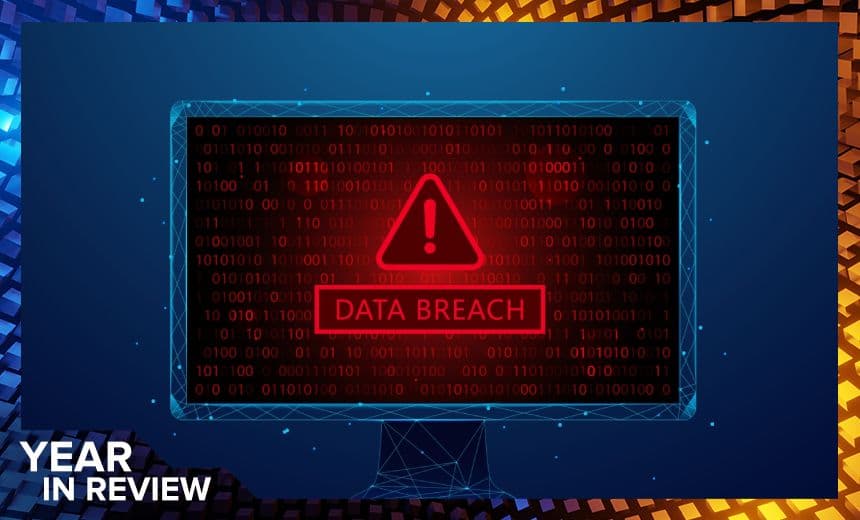
The massive 2025 health data breaches weren't just IT failures; they expose a fundamental flaw in healthcare data security. Discover the hidden winners.
Key Takeaways
- •2025 breaches signal a shift from financial fraud to intelligence-based attacks targeting personalized medicine data.
- •The system incentivizes data aggregation, making large entities both the biggest targets and the eventual beneficiaries of consolidation.
- •Expect 'Data Separatism' in 2026, where the wealthy pay significant premiums for truly isolated medical data storage.
- •Current compliance models (like HIPAA) are functionally obsolete against modern threat actors.
The Hook: Are You Just a Data Point to the Healthcare Industrial Complex?
We spent 2025 watching the headlines scream about record-breaking healthcare data breaches. Millions of sensitive patient records—diagnoses, genetic markers, mental health notes—spilled onto the dark web like cheap wine. But here is the uncomfortable truth the industry won't admit: These weren't just unfortunate accidents. They were the predictable, inevitable consequence of a system prioritizing data monetization over patient safety. The real story behind the 2025 security failures isn't about weak passwords; it’s about the structural incentives driving the leakage of your most intimate medical records.
The Meat: Beneath the Surface of the 2025 Meltdown
The mainstream analysis focuses on ransomware payouts and compliance fines. That’s noise. The signal is the shift in attacker focus. In 2025, the targets were not just billing systems. They were the nascent, interconnected networks handling personalized medicine, AI diagnostics, and remote monitoring devices. This move signals a strategic pivot by threat actors: they are no longer just after insurance fraud fodder; they are after the raw, high-value intelligence needed for deep-fakes, tailored extortion, and the black-market sale of biometric profiles. The sheer volume of patient data security compromises proves that legacy HIPAA compliance models are utterly obsolete against modern, state-sponsored threats.
The Unspoken Truth: Who Actually Wins When Trust Dies?
Who profits when patient trust erodes? Paradoxically, it's the massive, centralized data aggregators and the cybersecurity vendors selling the 'solution.' Hospitals, crippled by remediation costs and regulatory scrutiny, are forced into long-term, high-margin contracts with the very firms that often fail to prevent the initial breach. The losers are obvious: the patients whose data is now weaponized, and the smaller, regional providers who lack the capital to absorb these systemic shocks. We are witnessing a consolidation event disguised as a security crisis. The small players get squeezed out, leaving the centralized mega-systems—which are often the biggest targets—even more indispensable.
The Prediction: 2026 and the Rise of Data Separatism
Forget better encryption for a moment. That’s a temporary patch. My prediction for 2026 is the emergence of **Data Separatism** among high-net-worth individuals and specialized clinics. We will see wealthy patients actively paying a massive premium—perhaps 20-30% above standard care costs—to utilize 'air-gapped' medical networks. These bespoke systems will reject cloud storage, mandate on-premise, encrypted local storage, and severely limit data sharing with third parties, even if it means sacrificing convenience or access to cutting-edge AI diagnostics. This creates a two-tiered medical reality: the data-rich elite, protected by privacy walls, and the masses, whose digital health profiles become an open-source commodity for sale. This isn't about better security; it’s about buying back autonomy.
The regulatory response will be slow and toothless, focusing on punitive fines that big institutions treat as the cost of doing business. Until the fundamental economic incentive to harvest and sell patient data changes, the next year will only bring bigger, more invasive breaches. The future of health data security isn't technological; it's economic and political. We need to stop asking how to secure the data and start asking who has the right to own it.
Gallery


Frequently Asked Questions
What is the primary reason 2025 saw such severe healthcare data breaches?
The primary reason was the increased value of deep, personalized health intelligence (genomic, diagnostic) compared to simple billing data, attracting more sophisticated attackers.
Will new regulations fix the healthcare data security problem?
Unlikely in the short term. Regulations often lag behind technological threats, and large institutions view compliance fines as a manageable operational cost rather than an existential risk.
What is 'Data Separatism' in the context of healthcare?
Data Separatism is the trend where affluent patients or specialized clinics opt out of mainstream, interconnected health IT systems in favor of highly restricted, local, or air-gapped data storage solutions.
Who benefits most from ongoing healthcare data breaches?
Cybersecurity vendors selling remediation services and large data aggregators who benefit from the market consolidation that follows security crises.

DailyWorld Editorial
AI-Assisted, Human-Reviewed
Reviewed By
DailyWorld Editorial