The Insulin-Free Sweetener Is Here: Why Big Food Hates This 'Miracle' Sugar Discovery
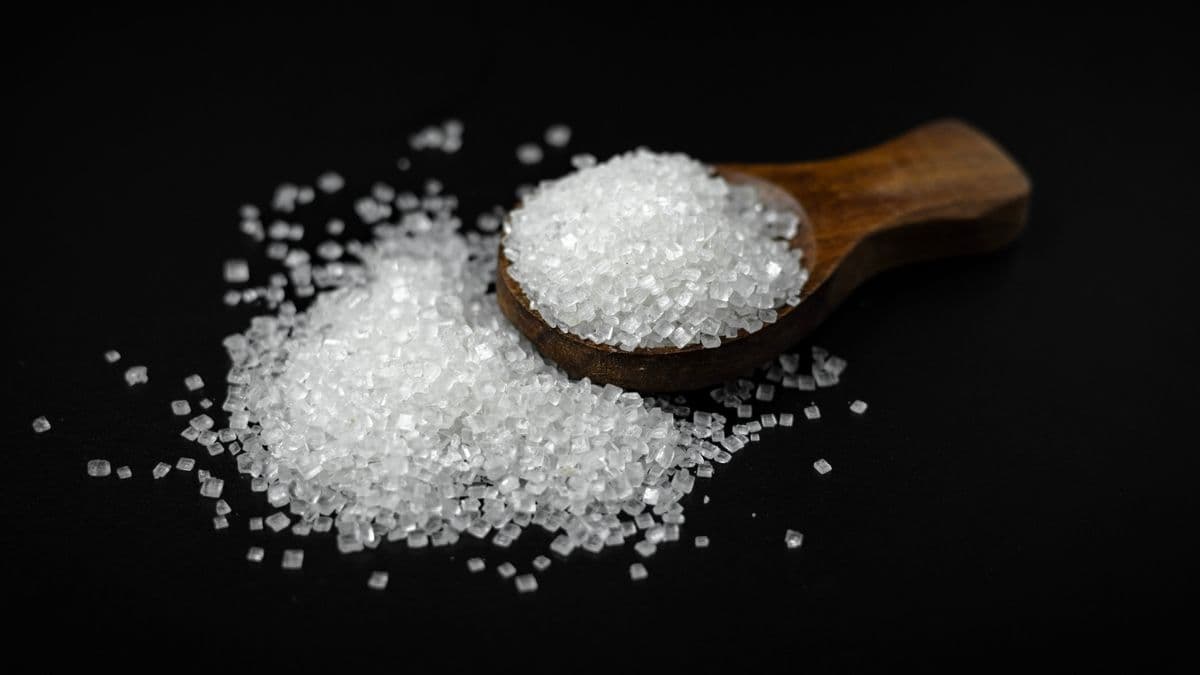
The new low-calorie, non-insulin spiking sugar is revolutionary, but the real story is who stands to lose billions from this breakthrough.
Key Takeaways
- •The new sugar is sweet, low-calorie, and crucially, does not trigger an insulin response.
- •This discovery threatens the multi-billion dollar global refined sugar industry, implying significant economic pushback.
- •Adoption will likely be slow and met with regulatory/lobbying resistance, despite health benefits.
- •The real win is decoupling the perception of sweetness from metabolic energy delivery.
We are witnessing the quiet birth of a new food paradigm. Reports confirm scientists have engineered a novel sugar substitute—sweet, virtually calorie-free, and critically, it appears to leave insulin levels completely undisturbed. This isn't just another aspartame knock-off; this is a fundamental rewrite of how the human body processes sweetness. But before you celebrate the end of metabolic syndrome, ask yourself the uncomfortable question: Who benefits when the world stops needing refined sugar?
The Unspoken Truth: This Isn't About Health, It's About Control
The immediate focus is, predictably, on diabetes and weight loss. And yes, if this compound scales affordably, it will be a monumental public health win. However, the real earthquake vibrating beneath this discovery is economic. The global sugar industry—a massive, entrenched network involving agriculture, refining, and distribution—is built on a single commodity. A true, scalable, non-metabolically active sweetener threatens to render billions in infrastructure obsolete overnight. This isn't just a product launch; it’s an economic disruption waiting to happen. Why hasn't this been mainstreamed sooner? Regulatory capture and lobbying power, that’s why. Keep an eye on the patent holders; they are the only ones currently winning.
Analysis: The Sweetener Arms Race is Over (Maybe)
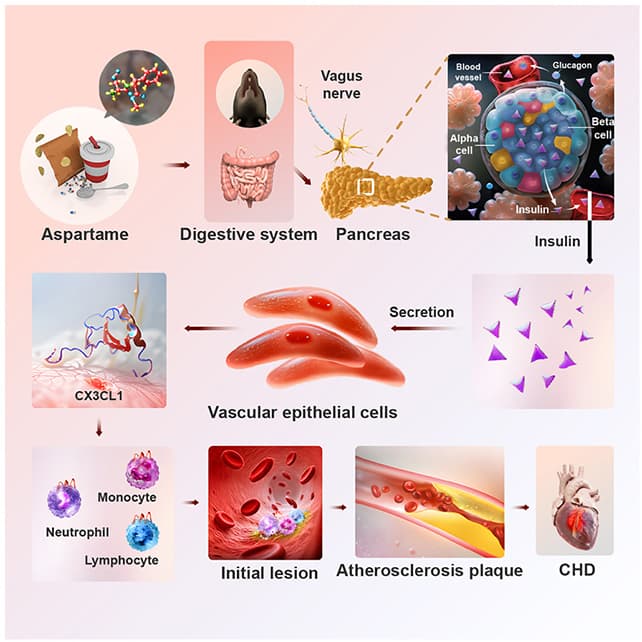
For decades, the market has cycled through artificial sweeteners—saccharin, aspartame, sucralose—each eventually marred by consumer backlash or lingering health questions. The key differentiator here, the low-calorie sweetener that bypasses the insulin response, changes the equation entirely. It addresses the core problem: the brain demanding energy (sweetness) but the body receiving none that triggers a metabolic cascade. This breakthrough targets the very root of metabolic dysfunction. Think about processed foods, sodas, and baked goods—entire product lines can be redesigned overnight. This isn't just about diet cola; it’s about reimagining the entire processed food supply chain. The integration of this low-calorie sweetener into mainstream products will be a fascinating battleground between public health advocates and Big Food shareholders.
We must also consider the psychological impact. Will consumers trust it? History shows skepticism towards 'perfect' food solutions. To achieve mass adoption, this sugar substitute needs radical transparency, something the food industry rarely provides willingly. (See the long, fraught history of GMOs for parallels).
What Happens Next? The Prediction
Prediction: Within 18 months, expect a massive, coordinated smear campaign, likely funded by commodity groups, focusing on vague, poorly sourced 'long-term safety' studies. Simultaneously, Big Food giants will quietly begin acquiring licenses or buying up smaller biotech firms holding the IP, not to release it widely, but to strategically throttle its introduction. The rollout will be slow, probably starting only in premium, high-margin products. The true inflection point—where your standard supermarket soda swaps cane sugar for this compound—will only occur when the agricultural lobbies can pivot their resources or when public pressure becomes absolutely unavoidable. It will be a slow burn, not an explosion.
For those interested in the mechanics of metabolic health, this discovery reinforces the idea that the *signal* (sweetness) is decoupled from the *energy delivery* (calories/glucose). This is a crucial scientific step forward, regardless of corporate maneuvering. For more on how sugar affects the body, consult reliable sources like the World Health Organization on dietary guidelines [https://www.who.int/news-room/fact-sheets/detail/healthy-diet].
Gallery
Frequently Asked Questions
What is the main difference between this new sugar and existing artificial sweeteners?
Existing artificial sweeteners are often zero-calorie but can still impact gut microbiome or psychological responses. This new compound appears to bypass the body's metabolic machinery entirely, meaning it doesn't trigger the insulin release associated with sugar consumption.
How soon can consumers expect to see this new sugar in common products?
Based on typical regulatory approval and industry integration cycles, widespread adoption in staple products is likely several years away, despite the scientific breakthrough. Expect initial use in niche or premium health products first.
Is this compound safe for long-term consumption?
While initial reports are extremely positive regarding insulin response, long-term human safety data (decades of use) is naturally unavailable for any new compound. Skepticism regarding long-term effects is expected, particularly from vested interests.
What does this mean for the global sugar farming industry?
It represents an existential threat. If this sweetener is cheap and scalable, the demand for high-fructose corn syrup and cane sugar in processed food manufacturing could collapse, forcing massive agricultural and industrial pivots.
Related News

The Quiet Revolution: Why This UNR Grad Is the Real Threat to Big Pharma's Public Health Monopoly
Lauryn Massic's ascent in public health science isn't just academic; it signals a dangerous shift away from established institutional control.

The Quiet Crisis: Why This Community College Science Win Exposes the Failure of Elite STEM Pipelines
A Polk State science publication victory isn't just a feel-good story; it's a direct indictment of the elitist **STEM education** system.

DailyWorld Editorial
AI-Assisted, Human-Reviewed
Reviewed By
DailyWorld Editorial